Environmental NGOs urge IKEA to better oversee its forestry operations in Romania in new report
Representatives of the environmental organizations Agent Green and Bruno Manser Fonds (BMF) recently urged IKEA and its investment division, the Ingka Group, to better oversee their forestry operations in Romania.
Radu Dumitrescu · Journalist
· Updated · 4 min read
Representatives of the environmental organizations Agent Green and Bruno Manser Fonds (BMF) recently urged IKEA and its investment division, the Ingka Group, to better oversee their forestry operations in Romania.
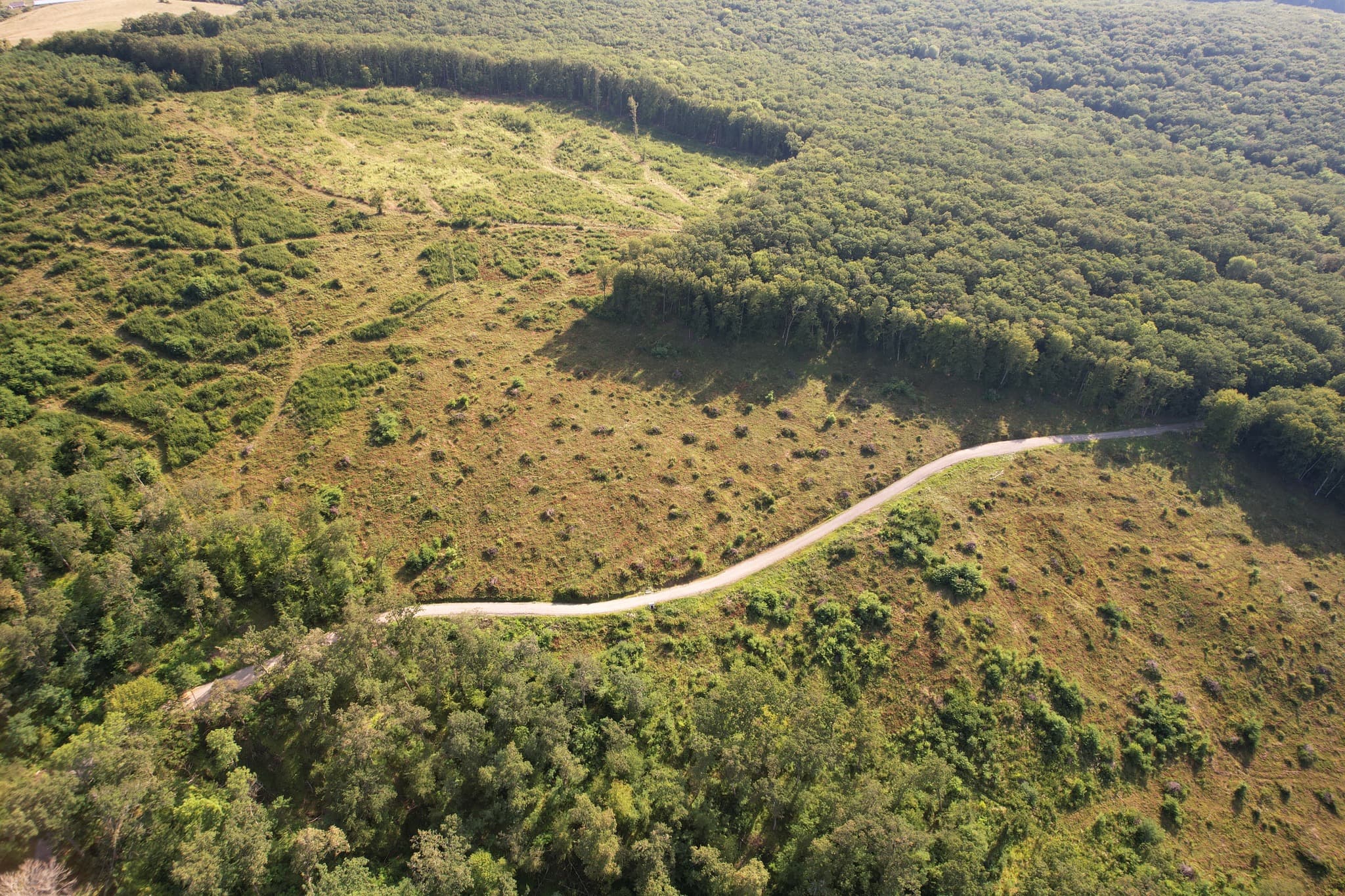
The NGOs published a new report exposing what they call "the destruction caused by IKEA.” The report unveils a “consistent pattern of destructive logging in forests associated with IKEA, having a massive negative impact on nature and climate. The findings are based on an analysis of official documents combined with field visits to half of the 43 forests owned by IKEA in Romania, which cover 51,000 hectares," said representatives of the two organizations.
The report, cited by Agerpres, highlights over 50 suspect activities violating national and European laws in 7 forests owned by IKEA through its company Ingka Investments and in two other forests from which wood is sourced for IKEA products.
Aside from publishing their findings, the two NGOs ask the global giant to verify logging companies, and to refrain from sourcing wood from national parks and from primary and ancient forests. They also ask the company to increase the areas under strict and partial protection, to practice selective logging in its own forests, to ensure full traceability and transparency of the IKEA supply chain, and to allow independent monitoring of forests by civil society and investigative journalists.
Right now, as the report shows, “forests with rich biodiversity are being erased from the face of the Earth. Aggressive exploitations carried out in fragile ecosystems and even in ancient forests without proper environmental assessment, dozens of deep tractor roads that cut through the forest are just a few of the documented problems.”
What is more, “most of the visited forests overlap entirely or partially with Natura 2000 protected areas. Some of these forests were either untouched or under a regime of low-intensity forestry before Ingka became the owner. Currently, all are managed to maximize timber extraction, without considering forest habitats and their vital role for species," said representatives of the environmental organizations.
According to the source, only 1.04% of Ingka's total properties in Romania are under strict protection, and 8.24% under partial protection. "This is totally insufficient to meet EU+ objectives. The EU Biodiversity Strategy requires partial protection of at least 30% of each Member State and strict protection of at least 10%. A key goal is the strict protection of all primary and ancient forests remaining in Europe," the environmental activists claim.
Free newsletters
Romania, in your inbox before your first coffee.
Get the Daily — the morning briefing, free, in English, unsubscribe anytime. Want business, real estate or travel digests too? Pick your newsletters →