Coronavirus pandemic: Quarantine or self-isolation for people coming to Romania from 17 countries. Non-essential travel to the EU restricted
People coming to Romania from the countries most affected by the new Coronavirus pandemic will be placed under quarantine or self-isolation at home for 14 days. The restrictions apply to people coming from countries with over 500 confirmed…
Romania Insider · Journalist
· Updated · 3 min read
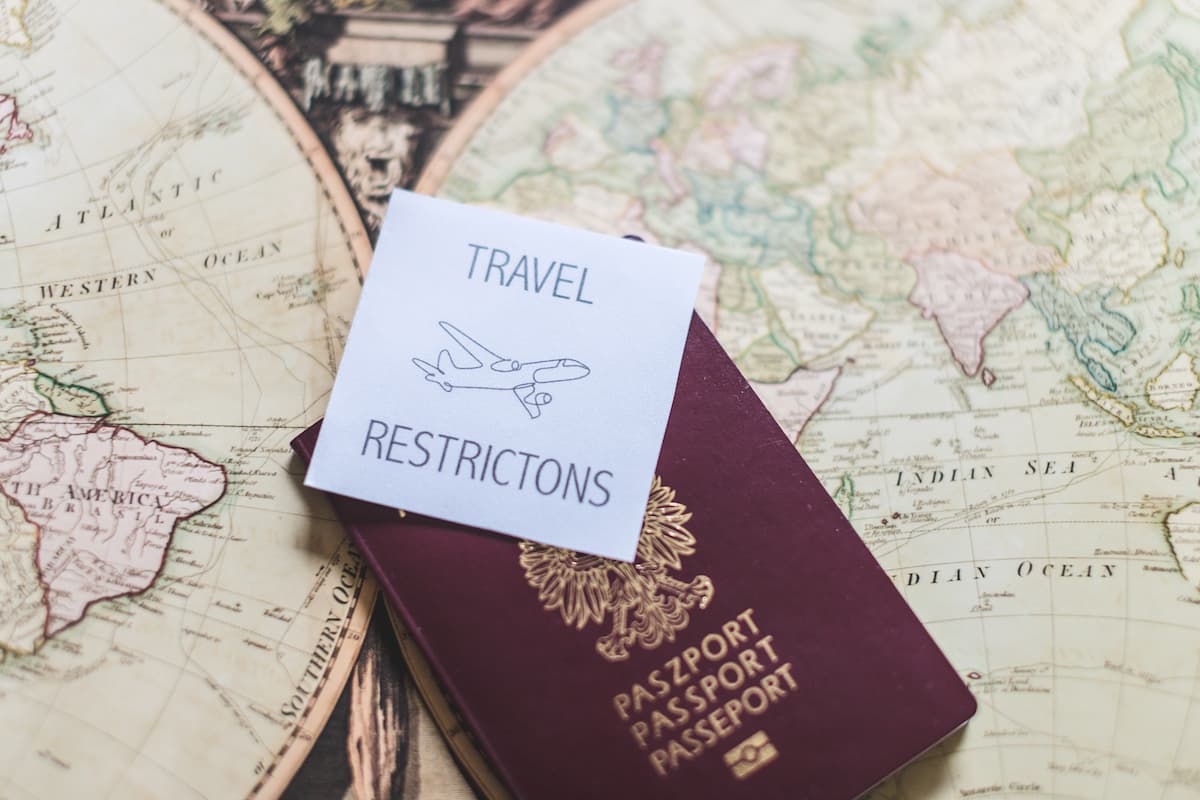
People coming to Romania from the countries most affected by the new Coronavirus pandemic will be placed under quarantine or self-isolation at home for 14 days. The restrictions apply to people coming from countries with over 500 confirmed cases of Covid-19 infections.
The Romanian authorities updated the list of countries to which these restrictions apply on Sunday, March 15. Thus, the 14-day institutionalized quarantine has been maintained for people traveling to Romania from Italy, Iran, China’s Hubei region and South Korea’s Daegu city and Cheongdo county.
Meanwhile, the mandatory self-isolation measure will apply to people coming from Austria, Belgium, South Korea, Denmark, Switzerland, France, Germany, Japan, UK, Norway, Netherlands, China, Spain, the US, and Sweden.
The list of countries to which such restrictions apply will be updated depending on the evolution in the number of Covid-19 cases in each country.
For example, Malaysia also passed the 500 cases threshold on Monday, March 16, according to data available on worldometers.info.
Meanwhile, Australia, Canada, Greece, Czechia, and Portugal have also reached over 300 cases and could pass the 500 mark in the next days.
EC restricts non-essential travel to the EU
At the same time, the European Commission announced on Monday, March 16, that it would introduce a temporary restriction on non-essential travel to the European Union. Such a measure would also apply to Romania, which is part of the EU.
“We think that non-essential travel should be reduced right now, too, in order not to spread the virus further, be it within the European Union or by leaving the European Union, but also to avoid non-essential travel to not have more potential strain on our healthcare system,” EC president Ursula von der Leyen said.
“Of course, there will be exemptions, for example for EU citizens coming back home, for healthcare workers, like doctors and nurses, but also scientists working on the solution of this health crisis we do see, and for people commuting on borders, who are working on both sides of the border, for example – there will be exemptions,” she added.
This restriction should be in place for an initial period of 30 days.
Romania has under 200 confirmed cases of Covid-19 infection
Romania had 168 confirmed cases of Covid-19 infections on Monday evening, March 16, according to official data from the authorities. The majority of cases reported in Romania have been traced to people coming from other countries where the virus is present or people who have been in contact with them.
Free newsletters
Romania, in your inbox before your first coffee.
Get the Daily — the morning briefing, free, in English, unsubscribe anytime. Want business, real estate or travel digests too? Pick your newsletters →