What do you know about Romania? Six Bucharest museums to help you sharpen up
For those looking to get a better feel of the country’s traditions, art and history, Bucharest museums come with a plentiful offer. There are more than 40 museums and memorial houses in Romania’s capital, presenting a wide range themes,…
RI Newsroom · Journalist
· Updated · 4 min read
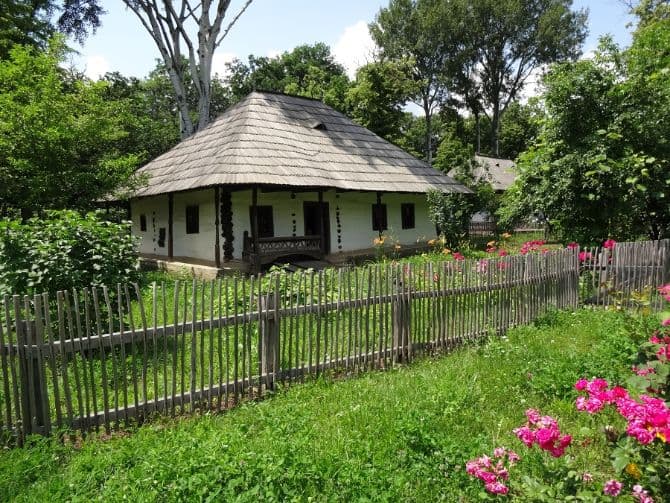
For those looking to get a better feel of the country’s traditions, art and history, Bucharest museums come with a plentiful offer. There are more than 40 museums and memorial houses in Romania’s capital, presenting a wide range themes, from the history of local firefighters to ancient maps. Below is a selection of places that give visitors worthy insights into the local culture. Walk the lanes of a traditional Romanian village A unique way of discovering traditional local culture awaits visitors at the Dimitrie Gusti National Village Museum in Bucharest. On the shore of the Herastrau Park, the museum offers visitors the opportunity to see an open-air village, featuring constructions and artifacts dating back from the 17
th
century to the 20
th
one, all of them representative of the most important ethnographic areas of Romania. The museum was designed to show visitors the reality of village life, as it was or is lived by the Romanian peasant. At the time of its opening, it featured 33 authentic complexes, transferred from the researched villages: houses with annexes, a church, technical installations and fountains. If you cannot make it to the Maramures area of Romania anytime soon, a visit to this museum can (almost) make up for it. One of the oldest constructions that can be admired here is a 1722 wooden church from Dragomiresti, Maramures county. Read more in this article: Our Bucharest walks: the Village Museum Get the lowdown on the Romanian peasant life The Romanian Peasant National Museum, whose history goes back to 1908, has a rich collection reflecting the country’s history in national identity construction, and a time when city inhabitants were interested in peasant culture as a reference point for national identity. Some 90,000 items are gathered in collections of ceramics, clothing, wooden items, religious items, customs and many more. The museum regularly organizes fairs which gather craftsmen and local producers, so visitors can also get a hands-on taste of traditional culture. The permanent exhibition cannot be visited currently as the building is closed for consolidation works but several halls hosting temporary exhibitions are open to the public. Trace the footsteps of the Romanian royal family In one of the capital’s oldest, and recently coolest, neighborhoods, you can find a 19
Free newsletters
Romania, in your inbox before your first coffee.
Get the Daily — the morning briefing, free, in English, unsubscribe anytime. Want business, real estate or travel digests too? Pick your newsletters →