Romanian Film Review: From Bucharest to Berlin
February was a good month for Romanian cinema in Berlin. The prestigious Berlin International Film Festival, the Berlinale, having proven a great platform for Romanian cinema in the past (Child’s Poseand Touch Me Not being some of the more…
Ioana Moldovan · Journalist
· Updated · 3 min read
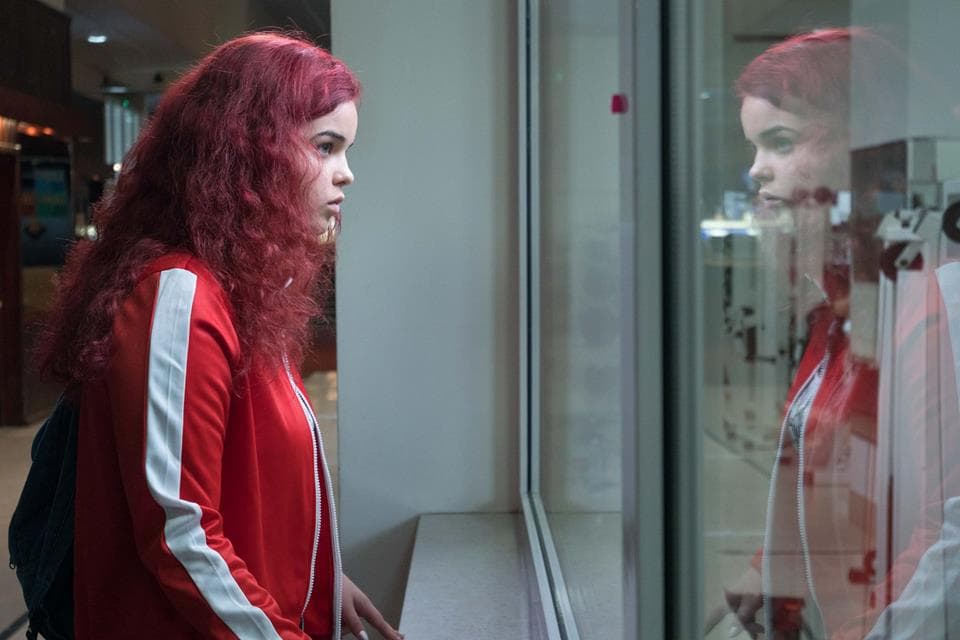
February was a good month for Romanian cinema in Berlin. The prestigious Berlin International Film Festival, the Berlinale, having proven a great platform for Romanian cinema in the past (Child’s Poseand Touch Me Not being some of the more recent winners), turned out just as lucky for this year’s Romanian entry. Marius Olteanu’s feature debut Monsters, although not showing in the official competition but in the more experimental Forum section, snatched an audience award, and deservedly so: Monsters is a mature picture tackling some heavy topics. But more on the film when it hits the screens. The date is still to be announced.
Even more thrilling is a series of recent Romanian films shown in the German capital as part of a showcase. Rekonstruktion: Filmland Rumänien (Reconstruction: Cinema in Romania) is an annual film series started in 2011 and after a four-year hiatus, it is back. Organized by the Romanian Cultural Institute in Berlin in collaboration with the ever-reliable Zeughauskino, the cinema of the German Historical Museum, Rekonstruktion features some of the most interesting releases of the past four years and does so over a generous period of time, until 30 March. The line-up is also a generous one, comprising of no less than nineteen titles
The series was opened by Radu Jude’s latest, the stirring, uncompromising, sprawling Îmiesteindiferentdacă înistorievomintracabarbari/I Do Not Care if We Go Down in History as Barbarians. What a great choice to start with a bang. Radu Jude has been excellent at challenging his audiences with his recent choice of subjects, and this one might be his most confrontational so far. This is not an easy film to summarise, but in its most basic structure it focuses on a female theatre director who is commissioned to stage an outdoor play to reconstruct the events of 1941, and the challenges she faces when wanting to explicitly comment on the Romanian army’s massacre of the Jewish population. A commentary on antisemitism, historiography, prejudice, misogyny, and the role of art in general, this is a challenging, often frustrating watch, but enormously relevant and rewarding for the ones who decide to stick with it.
The word ‘uncomfortable’ applies to several of the titles, such as Radu Munteanu’s
Free newsletters
Romania, in your inbox before your first coffee.
Get the Daily — the morning briefing, free, in English, unsubscribe anytime. Want business, real estate or travel digests too? Pick your newsletters →