Romanian mercenary Horaţiu Potra remains in preventive detention
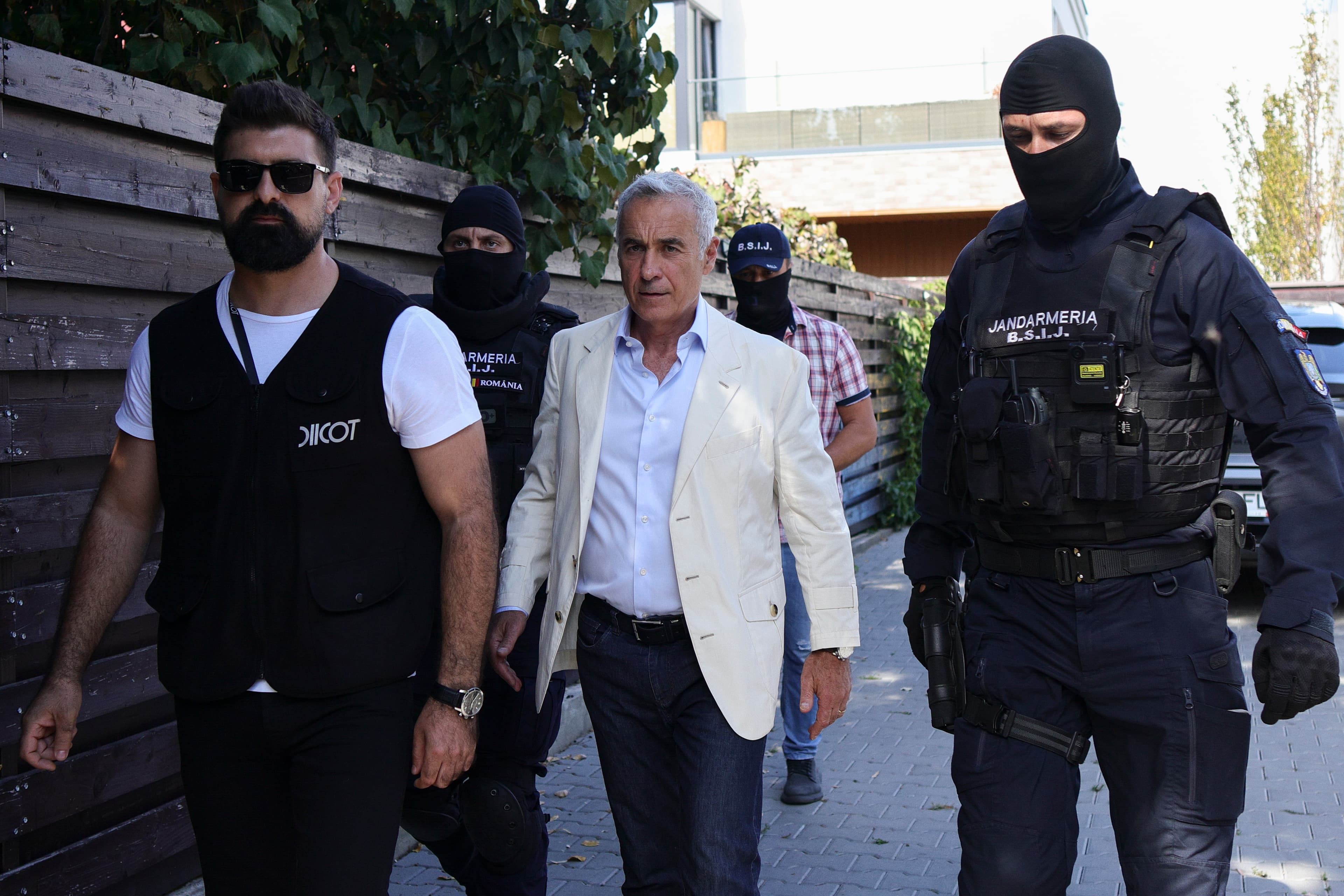
Romania’s High Court of Cassation and Justice decided on Wednesday, February 11, that the mercenary Horaţiu Potra will remain in preventive detention. Potra’s son and nephew will also remain under house arrest.
Radu Dumitrescu · Journalist
· Updated · 2 min read

Romania’s High Court of Cassation and Justice decided on Wednesday, February 11, that the mercenary Horaţiu Potra will remain in preventive detention. Potra’s son and nephew will also remain under house arrest.
Horaţiu Potra, Dorian Potra, and Alexandru Potra were first placed in preventive detention in November for attempting to act against the constitutional order, failing to comply with the regime of weapons and ammunition, and failing to comply with the regime of explosive materials.
In its recent ruling, the High Court of Cassation and Justice rejected as unfounded the appeals filed by the three against the decision of February 3 issued by the preliminary chamber judge of the Bucharest Court of Appeal, according to Digi24.
Horaţiu Potra was caught in Dubai in September. He agreed to be brought back to the country, which is why the procedures proceeded quickly. Otherwise, they could have taken longer, given that there is no extradition agreement with the United Arab Emirates.
Russian operatives with ties to the Kremlin reportedly attempted to prevent the extradition of Horatiu Potra, The Guardian reported. He was brought back to the country on November 20, 2025, together with his son and nephew.
Potra was originally sent to trial alongside former far-right and pro-Russian presidential candidate Călin Georgescu and another 20 defendants, accused of having committed serious offenses aimed at destabilizing Romania. According to prosecutors, Georgescu and Potra met “under clandestine conditions” on December 7, 2024, a day after the Constitutional Court annulled the presidential elections. They reportedly discussed a plan according to which the mercenary and people from his entourage, with military training, were to carry out “violent actions of a subversive nature,” to divert the peaceful demonstrations at that time.
Prosecutors further showed that Horaţiu Potra consolidated a paramilitary group of 21 people, led by him, establishing that they would travel with seven cars toward Bucharest, where they would trigger protests against state authorities, which were to be diverted into “violent actions capable of completing the revisionist policy” of Călin Georgescu.
Free newsletters
Romania, in your inbox before your first coffee.
Get the Daily — the morning briefing, free, in English, unsubscribe anytime. Want business, real estate or travel digests too? Pick your newsletters →