Case involving ex-presidential candidate Călin Georgescu is “most serious in 35 years,” prosecutor general says
Romania’s prosecutor general Alex Florența said Tuesday, September 16, that the case against former presidential candidate Călin Georgescu and alleged paramilitary leader Horațiu Potra represents “the most serious case monitored in the…
Irina Marica · Journalist
· Updated · 2 min read

Romania’s prosecutor general Alex Florența said Tuesday, September 16, that the case against former presidential candidate Călin Georgescu and alleged paramilitary leader Horațiu Potra represents “the most serious case monitored in the last 35 years,” Hotnews.ro reported. He also warned once again that Romania has been under sustained hybrid warfare aimed at destabilizing society and manipulating public opinion.
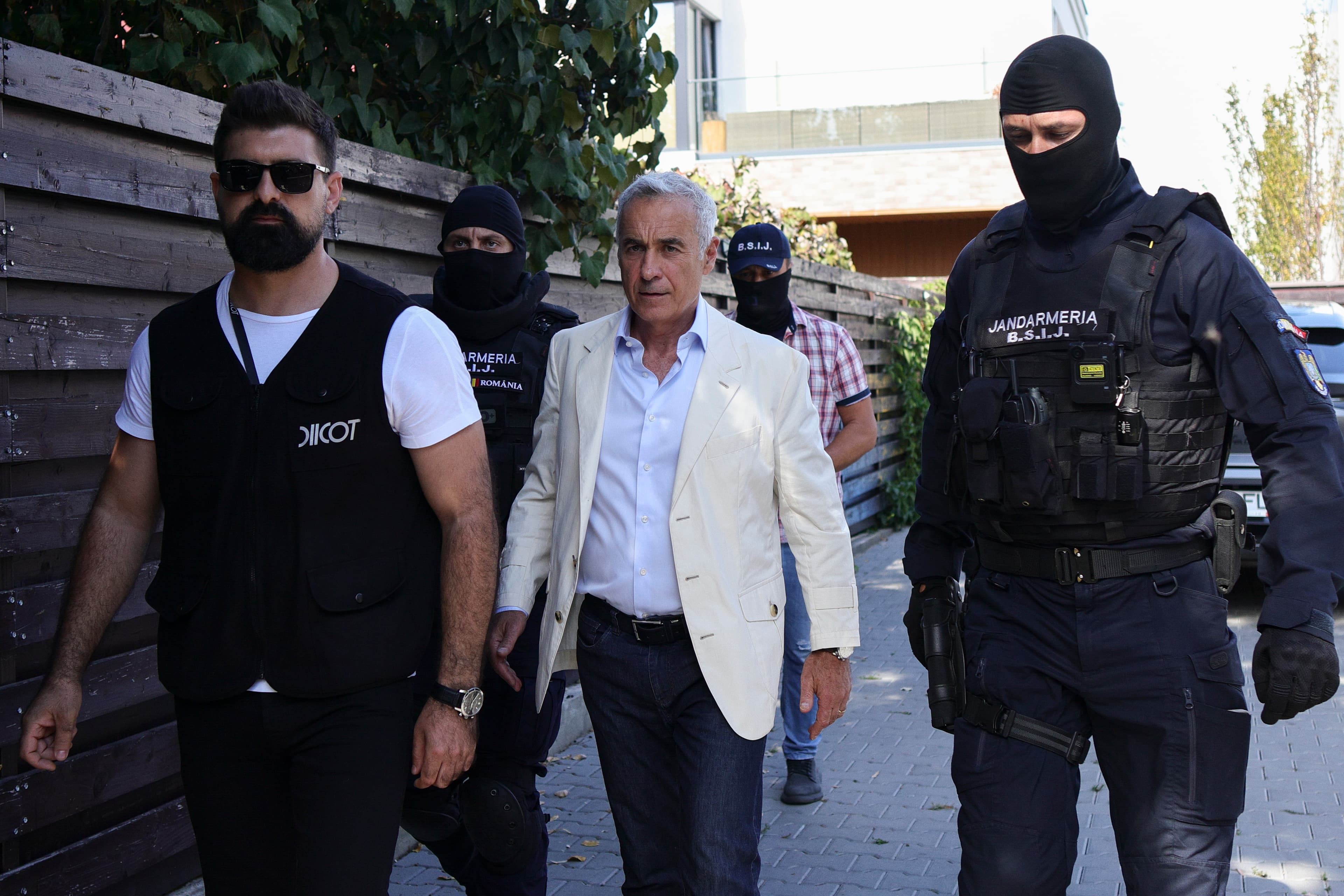
Călin Georgescu, who surprisingly emerged as the winner of the first round of last year’s presidential elections, was sent to trial on Tuesday on charges of complicity in an attempted coup, alongside Horațiu Potra and 20 other people. He also allegedly benefited from hybrid warfare operations coordinated by Russia during the country’s 2024 presidential election crisis.
Speaking in a live interview with news channel Antena 3 CNN, prosecutor general Alex Florența described hybrid war as “insidious” compared with traditional conflict because its goal is to influence populations rather than engage in open battle. He said extremist groups and coordinated online disinformation campaigns had been deployed to create disorder, with Romania becoming a key target in recent years.
Florența also stated that prosecutors found “beyond any doubt” evidence of Horațiu Potra’s links to Russia, including Russian-language correspondence, multiple trips to Moscow, and meetings with the Russian ambassador in Bucharest. He said Potra prepared résumés in Russian for submission to authorities there, while intelligence recovered from raids confirmed direct diplomatic contacts.
The prosecutor general also said Romania is cooperating with counterparts in several Eastern European countries where similar hybrid warfare patterns have been identified.
“Many of the intermediary websites used in Romania were also found in other ecosystems targeting populations in the same way,” Florența stated, as quoted by Hotnews.ro.
The Romanian authorities also traced a vast disinformation network that spread propaganda in support of Cǎlin Georgescu’s 2024 presidential bid, which was later annulled by the Constitutional Court.
According to Alex Florența, more than 2,000 Facebook pages and at least one viral hashtag network amplified pro-Georgescu messaging. On TikTok, he said, some 20,000 automated accounts were activated just one day before the first round of voting, generating more than two million comments that were algorithmically spread across Romania’s online space. One hashtag alone, “Curăţenie Generală/General Cleaning,” amassed over 156 million views.
Free newsletters
Romania, in your inbox before your first coffee.
Get the Daily — the morning briefing, free, in English, unsubscribe anytime. Want business, real estate or travel digests too? Pick your newsletters →