Independent PM-designate Luca Niculescu received with reluctance by parties in Romania
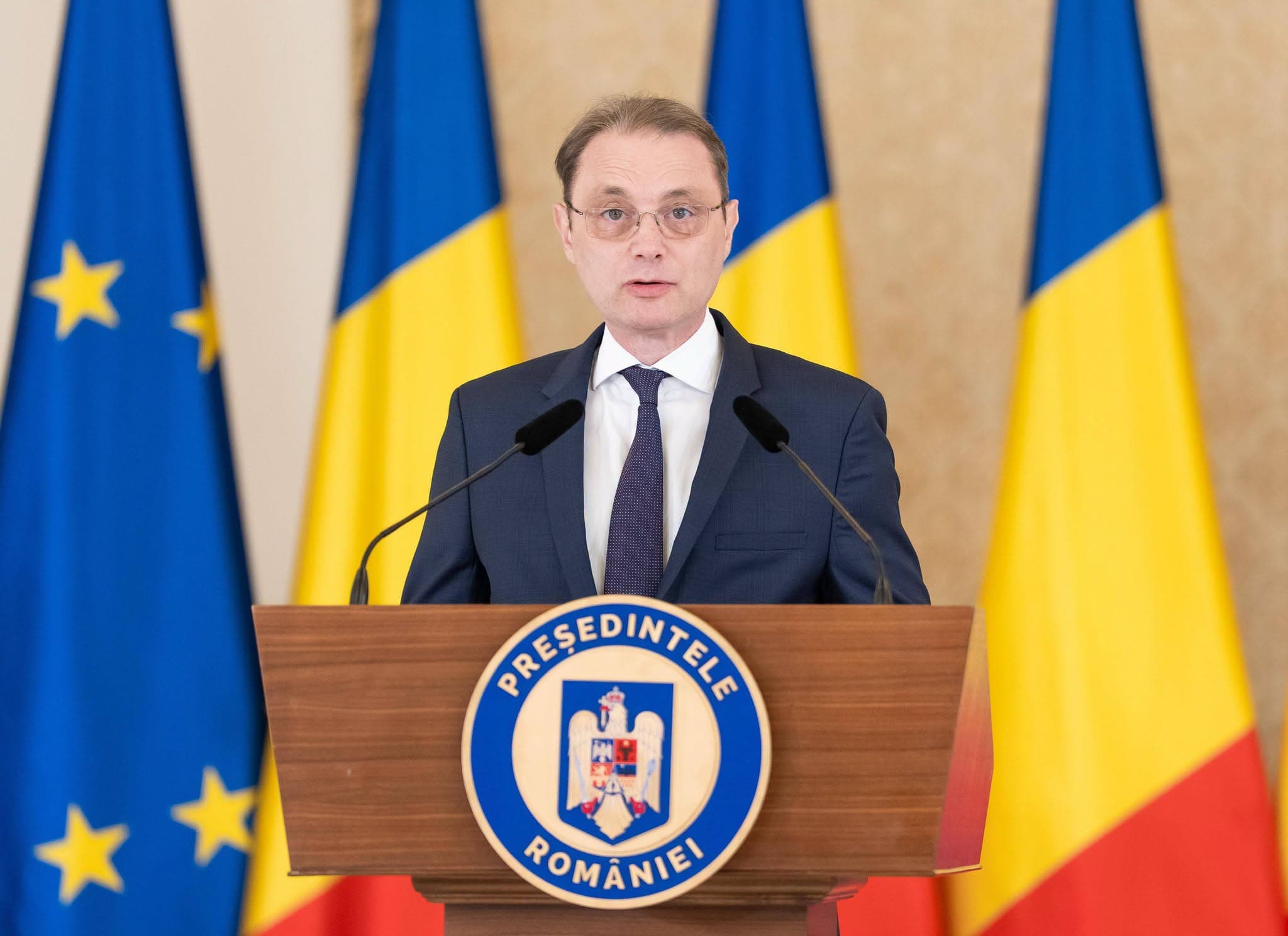
President Nicusor Dan on October 5 designated Foreign Affairs State Secretary in charge of Romania’s OECD accession dossier, Luca Niculescu, as the fourth prime minister candidate, tasking him with forming a government of technocrats or politicians, as the case may be, with a pro-Western orientation.
iulian ernst · Journalist
· 5 min read
Unlike his predecessors, Niculescu’s designation has not immediately polarised the centrist parties that could potentially form his parliamentary majority. However, moving from the first reaction to sufficient parliamentary support may prove complicated.
The designation of an independent candidate may indicate that no parliamentary majority emerged among the centrist parties during consultations.
“I chose the person who has the best chance of forming a majority,” president Dan said when introducing Niculescu, exactly five months after the successful no-confidence motion against the government of prime minister Ilie Bolojan and after three failed attempts to form a new government.
“Mr Niculescu has the freedom to decide, after in-depth discussions with the parties, the formula of government – political or technocratic. What is important is the majority in Parliament,” Dan said.
The president said he was confident that a government headed by Niculescu would preserve Romania’s pro-Western orientation while respecting the country’s fiscal targets and international commitments.
Besides ticking the pro-Western commitment box, in line with the stated position of all parliamentary parties, including the eurosceptic, nationalist and far-right Alliance for the Union of Romanians (AUR), Niculescu promised “careful use of public money, predictable economic policies, compliance with Romania’s commitments, acceleration of investments and reforms, and a state that serves as well as possible all of its citizens”.
A diplomat by profession but a journalist by education, Niculescu spent roughly two-thirds of his professional career in the media before moving into diplomacy. He has no formal background in economic or financial policy, although his role as coordinator of Romania’s OECD accession process has given him extensive contacts across government institutions. He may therefore serve as an interface for a political construction that would project its own policies – whether driven by the Presidency, a parliamentary majority or a combination of the two.
Niculescu has never been a member of a political party. But first, he must secure lawmakers’ support within ten days, with both the composition of his government and the political strategy behind it remaining largely unpredictable.
Niculescu’s career, which began as an intern at a radio station while a student and later took him to the head of the Romanian subsidiary of RFI and to correspondent positions for French media, reached a new level when president Klaus Iohannis appointed him Romania’s ambassador to France at the end of 2015.
Free newsletters
Romania, in your inbox before your first coffee.
Get the Daily — the morning briefing, free, in English, unsubscribe anytime. Want business, real estate or travel digests too? Pick your newsletters →