European Commission approves plan to unblock Romanian sheep and goat exports
The National Sanitary Veterinary and Food Safety Authority (ANSVSA) announced on Friday, September 18, that the European Commission has approved the Action Plan for unblocking sheep and goat exports, paving the way for the resumption of international trade.
Radu Dumitrescu · Journalist
· 2 min read
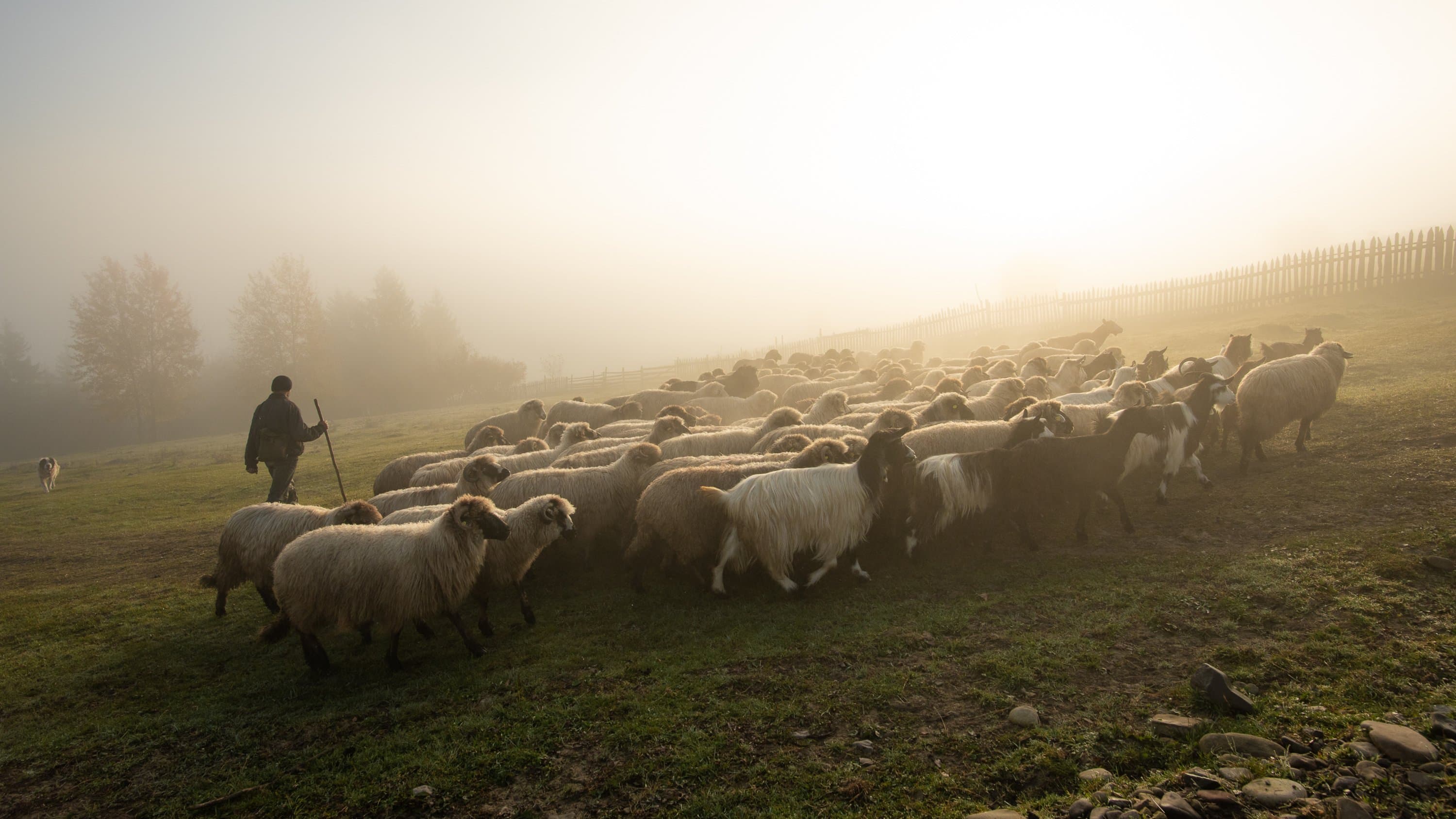
The strategic document drawn up by ANSVSA experts was approved, without amendments, by all 27 representatives of EU member states in the specialized committee within the European Commission.
“The approval of this plan represents an important step towards resuming sheep and goat exports from Romania, as it paves the way for a reassessment of the epidemiological status at national level,” the institution said in a press statement.
Before the resumption of deliveries to EU member states and third countries, the EC still has to adopt an official direction to establish the special vaccination status for high-risk counties and officially recognize the rest of Romania’s territory as disease-free. Destination countries will also have to validate the new sanitary-veterinary conditions.
Finally, Romania will have to implement immunization on the ground, an operation directly supported by the European Executive, which is providing Romania, free of charge, with a contingent of 1.3 million doses of vaccine.
According to ANSVSA, Romania anticipated these technical requirements and secured strategic foreign markets in advance.
“So far, our country has already signed six international treaties for exports under vaccination conditions with major trading partners: Saudi Arabia, Jordan, Morocco, Tunisia, Israel and Libya. At the same time, seven other similar agreements are under advanced negotiations, guaranteeing a broad range of commercial outlets as soon as the new epidemiological status becomes active,” ANSVSA management said.
The national vaccination strategy validated by the Commission will be applied differently, depending on the level of regional epidemiological risk. In maximum-risk zones like Tulcea and Constanta Counties, the full immunization scheme will be applied through the simultaneous administration of vaccines against Peste des Petits Ruminants (PPR) and Sheep and Goat Pox (SGP). From this special logistical zone, exports will be carried out exclusively to third countries that expressly accept imports from territories where vaccination is practiced.
Romanian authorities had to slaughter approximately 19,000, representing 0.13% of the total estimated number of heads nationwide, to protect against the spread of PPR and SGP.
“The action plan approved yesterday by the European Commission does not in any way affect exports of carcasses, milk or dairy products from Romania,” ANSVSA management said.
Free newsletters
Romania, in your inbox before your first coffee.
Get the Daily — the morning briefing, free, in English, unsubscribe anytime. Want business, real estate or travel digests too? Pick your newsletters →