Romanian shipyard delivers hull of largest cable-laying ship in Japan

07 August 2026

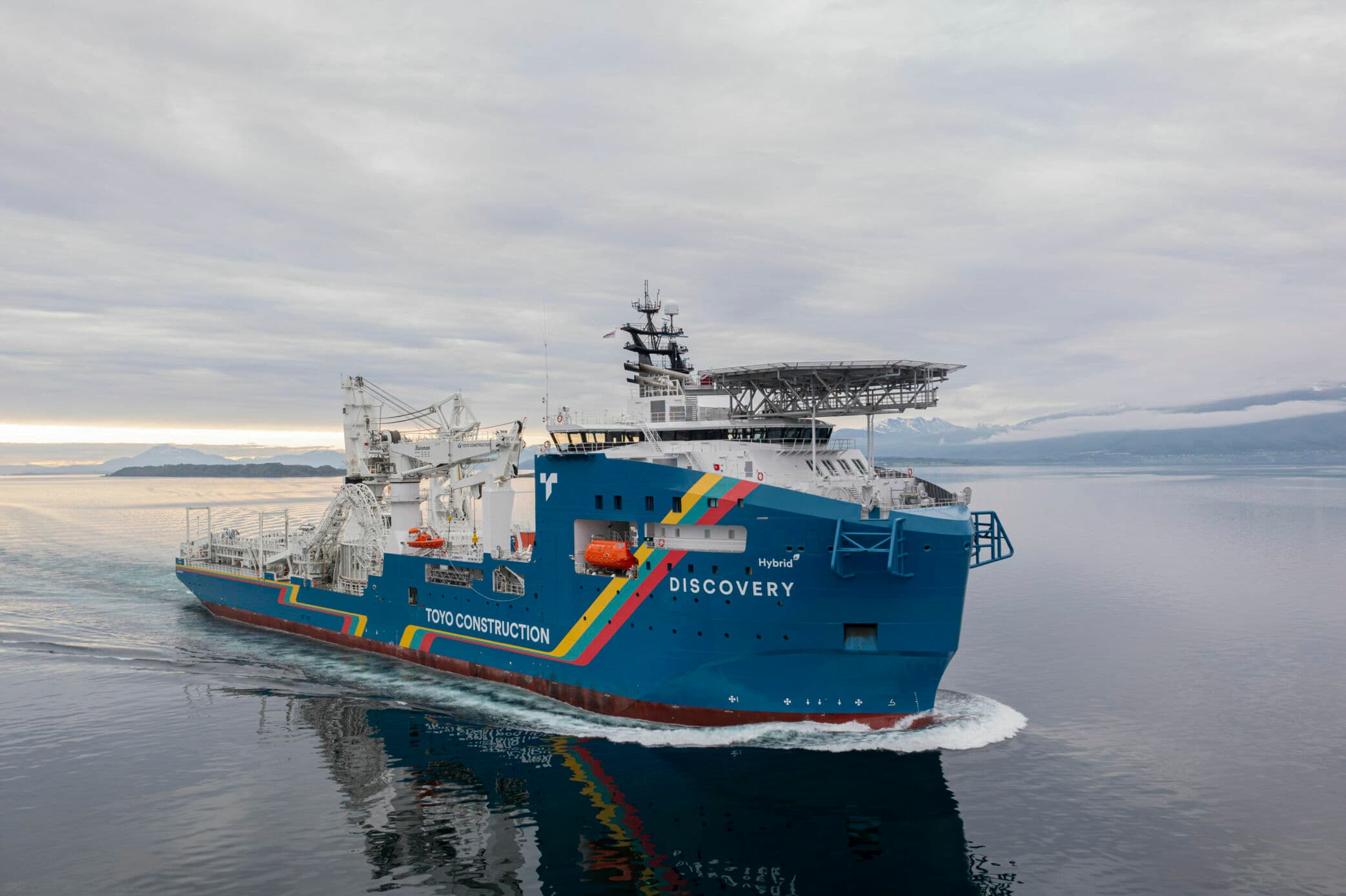
The VARD shipyard in Tulcea, eastern Romania, has completed the construction of the hull of “Discovery,” the largest vessel intended for the installation of submarine cables and the first such project delivered by the VARD group for the Japanese market. 

The ship, valued at over USD 200 million, will have an important role in the development of infrastructure for offshore wind energy and the transport of electric energy through submarine cables.


The construction of the vessel’s hull was carried out in Romania, at the VARD shipyards in Tulcea and Brăila, and after launching, it was towed to the VARD Langsten shipyard in Norway, where the specialized equipment was installed, and the final tests were carried out before delivery. The vessel was officially handed over to the Japanese company Toyo Construction at the end of June and is currently heading to Japan, where it will be based in the port of Ishikari Bay.

“Discovery” was designed to meet the specific conditions in Japan, where the water depth increases rapidly near the coast. The vessel can operate both in shallow waters and offshore, where future floating wind farms will be installed.

The vessel is approximately 151 meters long, 28 meters wide, and can transport up to 9,000 tons of submarine cables, distributed in two carousels with capacities of 4,000 and 5,000 tons.

On board, the ship has a main crane with a lifting capacity of 400 tons and an auxiliary crane of 100 tons. The vessel is also equipped with a dynamic positioning system, a heliport and equipment for the operation of remotely operated underwater vehicles.

In addition to the installation of submarine cables, “Discovery” can also be used for offshore construction works, including the installation of foundations for wind turbines and anchoring operations for floating turbines.

The vessel is equipped with a hybrid propulsion system, in which diesel engines are used to produce electric energy, while propulsion is provided by electric motors. The system includes batteries and the possibility of shore power supply during stationing, in order to reduce fuel consumption and emissions. Up to 90 crew members and technicians can work on board.

The Japanese government has set the rapid expansion of offshore wind energy capacities as an objective in the coming period, and this vessel will be used for the installation of the submarine electric cables necessary to connect the new farms to the energy grid.

For VARD, the project marks the first delivery to the Japanese market in the segment of specialized vessels for the offshore wind industry. In recent years, the VARD Tulcea shipyard has specialized in the construction of the hulls of some of the most complex vessels intended for the offshore industry, including vessels for the installation of submarine cables and for the development of offshore wind energy projects.

Several of the most advanced vessels of this type currently used worldwide were built in Romania and subsequently equipped at the VARD group’s shipyards in Norway.

radu@romania-insider.com

(Photo source: vard.com)

Normal

Romanian shipyard delivers hull of largest cable-laying ship in Japan

07 August 2026

The VARD shipyard in Tulcea, eastern Romania, has completed the construction of the hull of “Discovery,” the largest vessel intended for the installation of submarine cables and the first such project delivered by the VARD group for the Japanese market. 

The ship, valued at over USD 200 million, will have an important role in the development of infrastructure for offshore wind energy and the transport of electric energy through submarine cables.

The construction of the vessel’s hull was carried out in Romania, at the VARD shipyards in Tulcea and Brăila, and after launching, it was towed to the VARD Langsten shipyard in Norway, where the specialized equipment was installed, and the final tests were carried out before delivery. The vessel was officially handed over to the Japanese company Toyo Construction at the end of June and is currently heading to Japan, where it will be based in the port of Ishikari Bay.

“Discovery” was designed to meet the specific conditions in Japan, where the water depth increases rapidly near the coast. The vessel can operate both in shallow waters and offshore, where future floating wind farms will be installed.

The vessel is approximately 151 meters long, 28 meters wide, and can transport up to 9,000 tons of submarine cables, distributed in two carousels with capacities of 4,000 and 5,000 tons.

On board, the ship has a main crane with a lifting capacity of 400 tons and an auxiliary crane of 100 tons. The vessel is also equipped with a dynamic positioning system, a heliport and equipment for the operation of remotely operated underwater vehicles.

In addition to the installation of submarine cables, “Discovery” can also be used for offshore construction works, including the installation of foundations for wind turbines and anchoring operations for floating turbines.

The vessel is equipped with a hybrid propulsion system, in which diesel engines are used to produce electric energy, while propulsion is provided by electric motors. The system includes batteries and the possibility of shore power supply during stationing, in order to reduce fuel consumption and emissions. Up to 90 crew members and technicians can work on board.

The Japanese government has set the rapid expansion of offshore wind energy capacities as an objective in the coming period, and this vessel will be used for the installation of the submarine electric cables necessary to connect the new farms to the energy grid.

For VARD, the project marks the first delivery to the Japanese market in the segment of specialized vessels for the offshore wind industry. In recent years, the VARD Tulcea shipyard has specialized in the construction of the hulls of some of the most complex vessels intended for the offshore industry, including vessels for the installation of submarine cables and for the development of offshore wind energy projects.

Several of the most advanced vessels of this type currently used worldwide were built in Romania and subsequently equipped at the VARD group’s shipyards in Norway.

radu@romania-insider.com

(Photo source: vard.com)

Normal

Romania Insider Free Newsletters