Ukrainians in Romania say they have been treated fairly, but they wish to go home
Almost half (49%) of Ukrainians living in Romania want to return to Ukraine, the highest rate relative to the average, 35%, according to a survey conducted by the European Union Agency for Fundamental Rights (FRA). At the same time, the…
Radu Dumitrescu · Journalist
· Updated · 4 min read
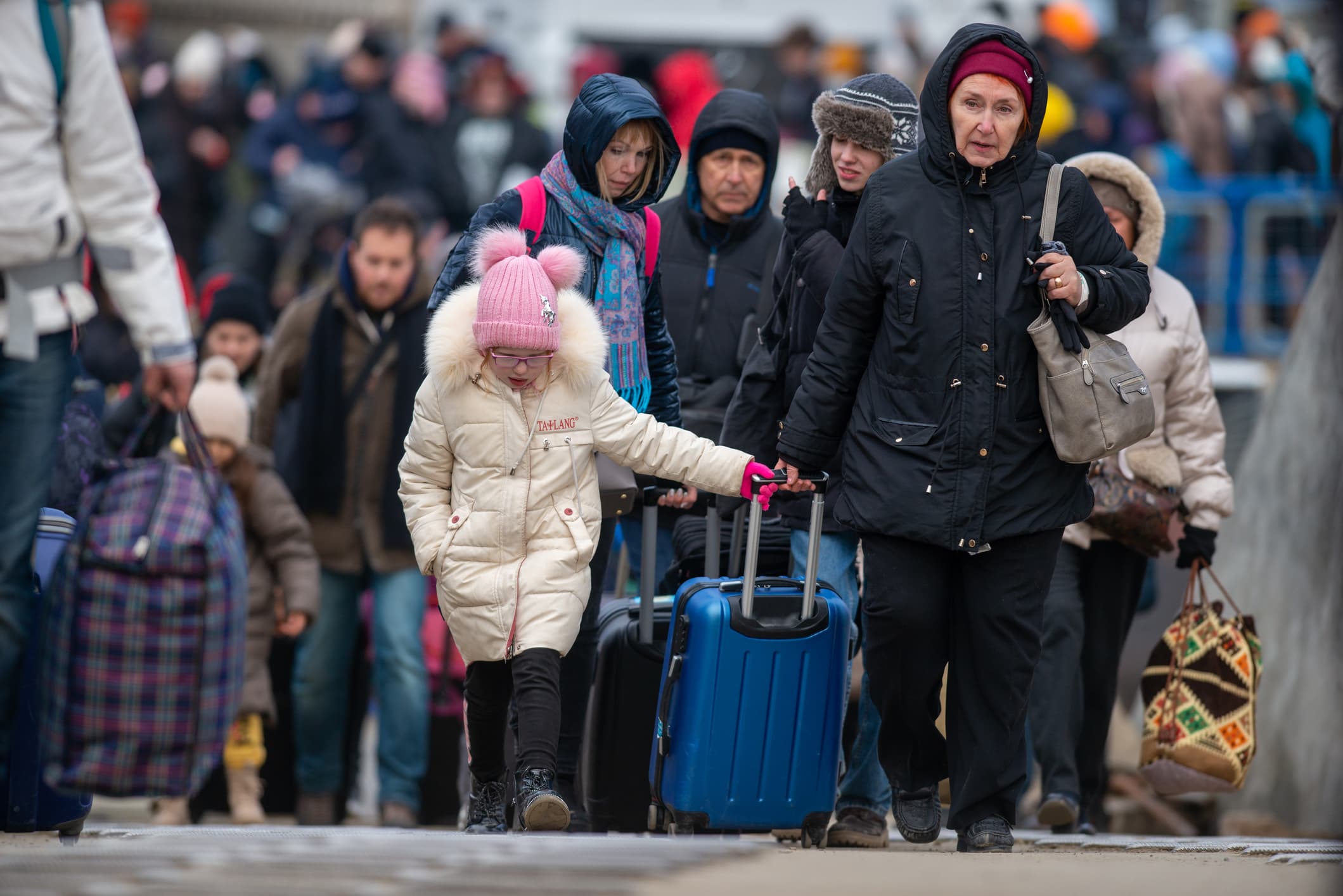
Almost half (49%) of Ukrainians living in Romania want to return to Ukraine, the highest rate relative to the average, 35%, according to a survey conducted by the European Union Agency for Fundamental Rights (FRA). At the same time, the proportion of Ukrainians who say they have been treated unfairly at some point was lowest in Romania (40%).
The FRA report titled "Fleeing Ukraine" presents the direct testimonies of approximately 14,500 people who have fled the war and settled in the EU. The survey shows that there are still practical difficulties for refugees from Ukraine in issues such as language, housing, education, employment, cost of living, and health.
Although 1 in 3 Ukrainians now feel they are part of the host country's community, the same number of people would like to return to Ukraine. Almost half (49%) of the respondents living in Romania want to return to Ukraine, compared to an average of 35% of Ukrainians living in other countries, according to the FRA report cited by G4Media.
Lack of knowledge of the host country's language is the main reason why people give up on education, do not work, or do not seek medical assistance. In all surveyed countries, only 10% of respondents spoke the host country's language well, perfectly, or at the level of their mother tongue.
A quarter of respondents (25%) did not speak the language at all. This proportion reached 65% in Estonia, 58% in Romania, and 57% in Hungary. In Poland it was only 12%, while in the Czech Republic and Slovakia it was 18%.
Regarding education, 59% of children attend online courses at a Ukrainian school or learn on their own with materials or support from Ukraine.
According to the survey, although 59% of the interviewed persons pay for housing, they often have to share facilities such as toilets or kitchens. Many lack privacy or a quiet space for their children to learn. There were notable variations between countries in this regard. Most respondents in Estonia (65%) and Poland (54%) paid in full for their housing. Two-thirds of respondents in Romania, on the other hand, were living in their respective housing without paying (the highest rate among the participating countries) - compared to an average of 35%. In Italy (58%), and in Slovakia (53%) a majority of respondents did not pay for housing.
Most of those who arrived in Romania (72%) stayed in private housing, which is the highest rate in the survey.
Free newsletters
Romania, in your inbox before your first coffee.
Get the Daily — the morning briefing, free, in English, unsubscribe anytime. Want business, real estate or travel digests too? Pick your newsletters →