Romanian state to cover costs of new electronic ID cards
The cost of issuing the new electronic ID cards, which are set to be used nationwide by the end of this year, will be covered by the Romanian state budget. The government hopes that this will engender wider acceptance of the new IDs.
Radu Dumitrescu · Journalist
· Updated · 3 min read
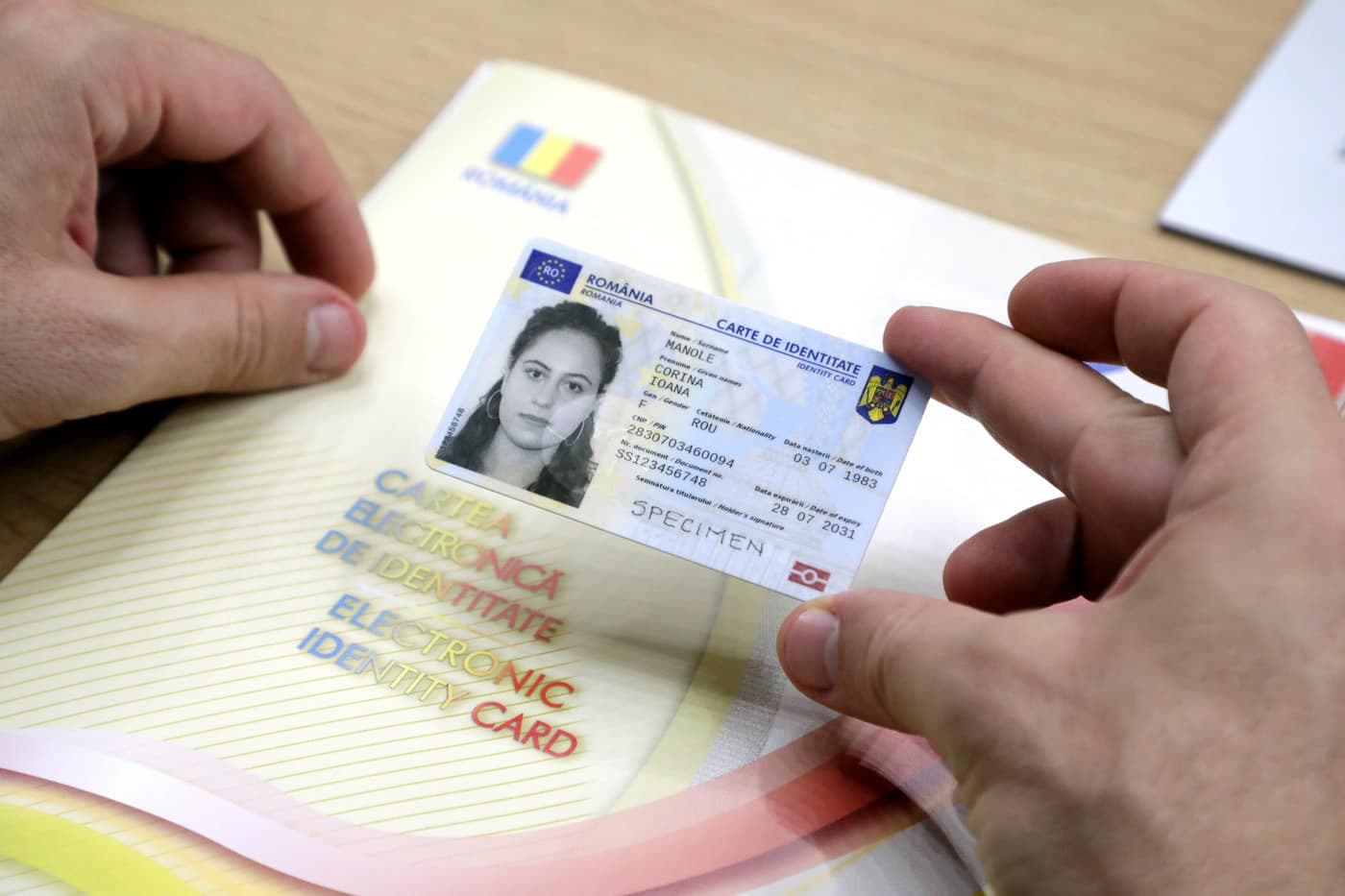
The cost of issuing the new electronic ID cards, which are set to be used nationwide by the end of this year, will be covered by the Romanian state budget. The government hopes that this will engender wider acceptance of the new IDs.
The new IDs were previously tested in a pilot project run in Cluj county. Internal affairs minister Lucian Bode said that the issuance of new electronic ID cards would extend into the summer of 2023, first in Bucharest and then in the rest of the municipalities by the end of the year. The government aims to issue electronic IDs to 8.5 million Romanian citizens.
Each new ID costs RON 67 (EUR 13.5) to issue. The government set aside EUR 200 million in the National Recovery and Resilience Plan (PNRR) to cover the costs of the new IDs in order to stimulate their voluntary adoption by Romanians, according to HotNews.
As of January 1, 2024, ID cards will no longer be issued in the current format.
The new IDs will also bring several changes. The Ministry of Internal Affairs recently put up for debate a draft normative act that proposes a multitude of major modifications to Ordinance 97/2005 on the records, domicile, residence, and identification documents of Romanian citizens.
Another major change proposed by the Ministry of Internal Affairs (MAI) is related to the information that appears on the new electronic identity cards. The place of birth will be in electronic format only, stored on the chip of the electronic identity card, and will not be present on the identity cards. This is because, according to the MAI, a new system storing the data, the Integrated System for Issuing Civil Status Acts (SIIEASC), will be up and running by September 2023. The registration of the address of residence will also be stored electronically so that citizens will not be obligated to change IDs when changing residence. The latter will be done solely online.
Another change is the creation of a legal framework for increasing the level of interoperability between the computer systems managed by the General Directorate for Population Registration within the Ministry of Internal Affairs, and systems of other institutions.
Electronic identity cards (EIDs) will be optional for minors under the age of 14 at the request of both parents, legal representatives, designated persons from the public social service or private accredited organization, or the person with whom the child is placed. The old identity cards cannot be issued to children under 14.
Free newsletters
Romania, in your inbox before your first coffee.
Get the Daily — the morning briefing, free, in English, unsubscribe anytime. Want business, real estate or travel digests too? Pick your newsletters →