(P) Why mentorship works for migrant children: ”Every good friend was a stranger at first”
About 40 migrant children between 8 and 17 years old became friends with young Romanians (18-25 years old) in the past two years, within a unique mentoring project. Who has ”gained” the most in this exchange? Hard to say, but Rodica Novac…
About 40 migrant children between 8 and 17 years old became friends with young Romanians (18-25 years old) in the past two years, within a unique mentoring project. Who has ”gained” the most in this exchange? Hard to say, but Rodica Novac (Terre des hommes Foundation) told us how this project she managed guaranteed them many beautiful days, even during the pandemic.
Why did you choose mentorship as a means of helping migrant children in Romania?
Mentoring is an important concept for Terre des hommes Foundation in Romania, which has been protecting children's rights for over 25 years. We even have a special initiative called Takeover Day (annually in November), but it is also integrated into several projects, as was the case in MINT (Mentoring for Integration of Children Affected by Migration), funded by the European Commission and initiated in Romania in 2019.
The concept is close to us because it involves creating a lasting friendship, which is based on affinities and which helps both parties, in fact. And this happened in MINT and although the project has other important components, I'm glad to talk about it at the beginning. So two years ago Terre des hommes proposed young Romanian volunteers to become mentors for some children who recently arrived from the Middle East (Iran, Iraq, Syria) or Africa, so that the latter can learn more about our culture and learn the Romanian language. (By the way, MINT is a reference to mint tea, a popular drink for those countries.)
Please tell us how hard was it to connect migrant children and Romanian teenagers?
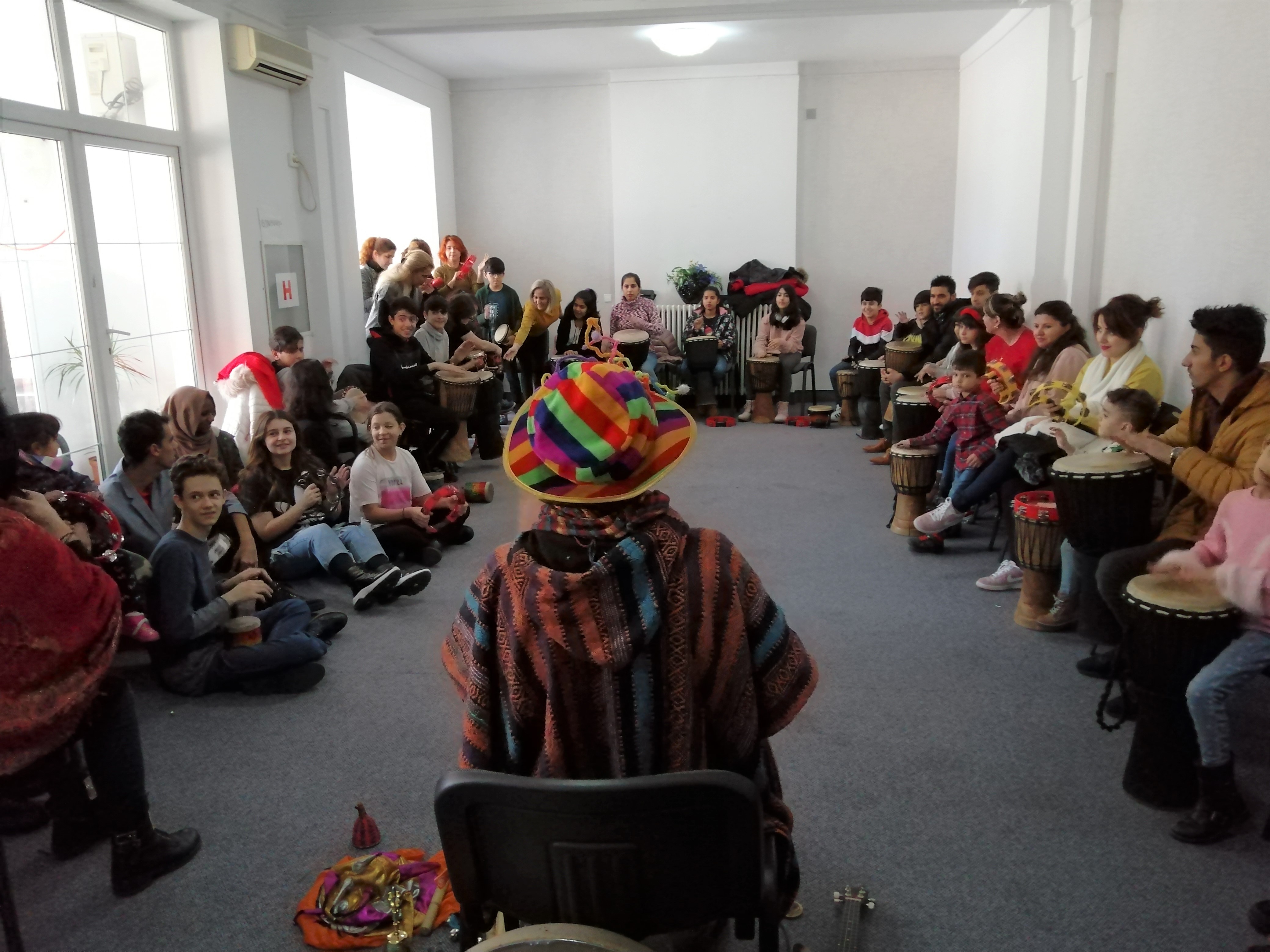
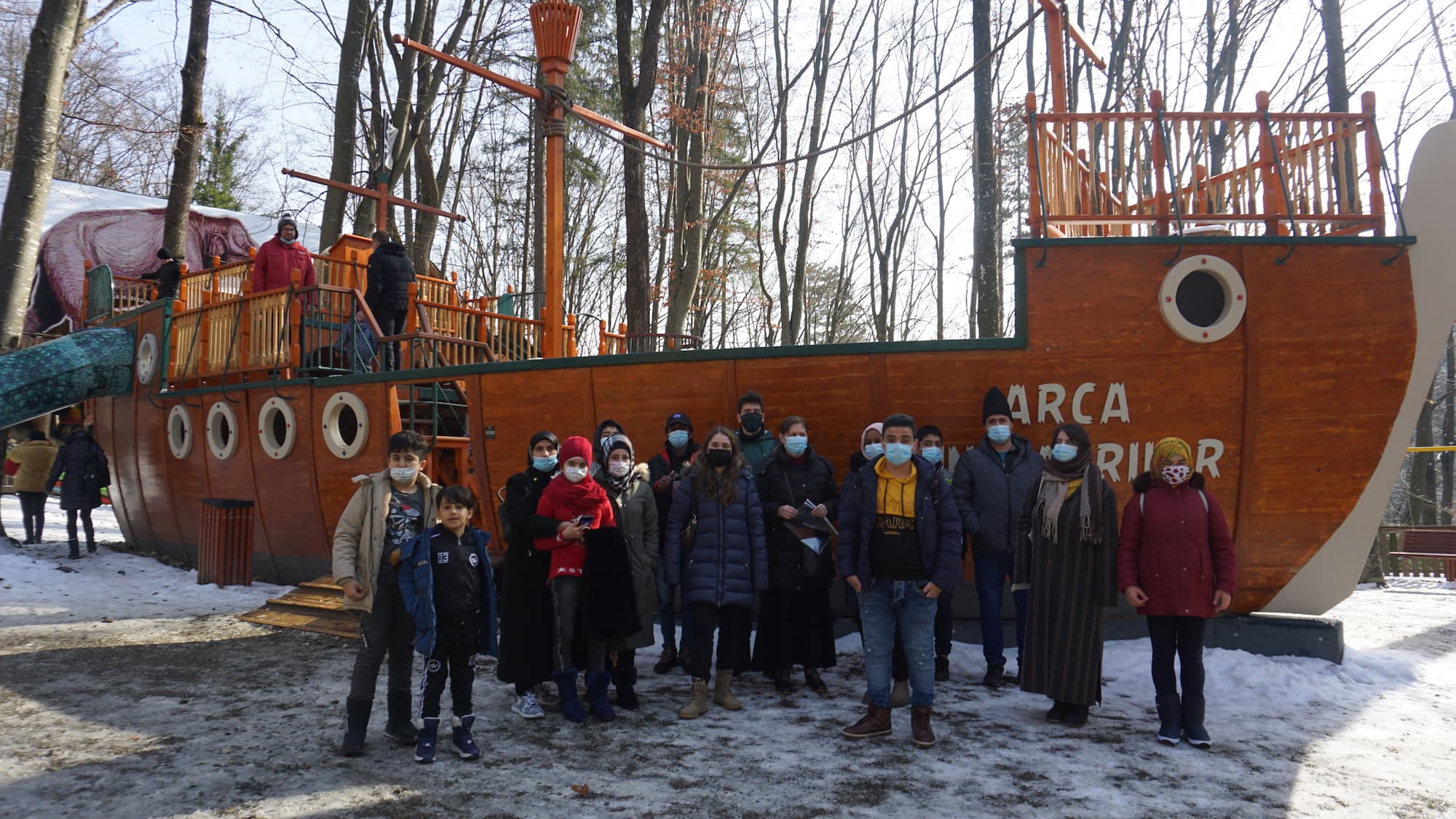
First, in 2019 we selected the young Romanian volunteers for the first series (between 18 and 25 years old) and taught them to interact with children from Iran, Iraq, Syria and other countries (through a training and experiential learning program). Then we all went to museums, movies or trips, young people and children played sports together. Things connected quite easily and naturally once the mentors understood what kind of responsibility they have and that it is not (just) a pleasure activity. The Terre des hommes Foundation (named after a book by Saint-Exupéry) actually mediated the creation of friendships and a learning process in many ways. Because, as the author of ”The Little Prince” said, ”every friend was once a stranger”. It was more difficult during the pandemic when we could no longer meet, but we managed to gather in online meetings.
Could this kind of mentorship be used also by teachers, schools, or other NGOs?
Of course, the peer-to-peer mentoring methodology will soon be available in Romanian for anyone who wants to organize such activities, being replicable for any target group, not just migrants. Those who wish will be able to find the Mentoring Methodological Framework on the platform
Free newsletters
Romania, in your inbox before your first coffee.
Get the Daily — the morning briefing, free, in English, unsubscribe anytime. Want business, real estate or travel digests too? Pick your newsletters →