Large-scale inventory confirms Europe’s rarest fish still swims in a Romanian mountain river
After local environmentalists managed to film the aspreteabout two years ago, a recent large-scale inventory came to confirm that the fish, the rarest in Europe, still survives in Romania. A team of experts detected the presence of 58 fish…
Irina Marica · Journalist
· Updated · 3 min read

After local environmentalists managed to film the aspreteabout two years ago, a recent large-scale inventory came to confirm that the fish, the rarest in Europe, still survives in Romania. A team of experts detected the presence of 58 fish last week, which is much higher than the official estimates and could mean that hundreds of them still swim the Vâlsan river in Făgăraș mountains - the asprete's last tiny home.
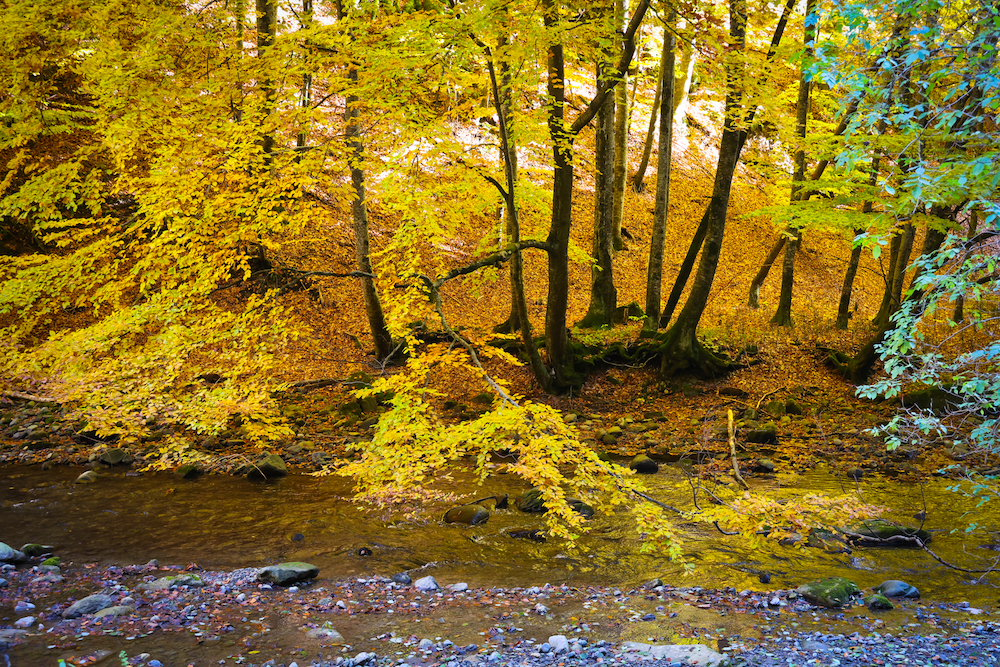
The asprete (Romanichthys valsanicola) is a living fossil fish that, according to estimates, might have lived around the same time as the last dinosaurs. This means that the species could be 65 million years old. But today, it needs help to survive, as its distribution area has shrunk dramatically to only a small section of the Vâlsan river in Romania.
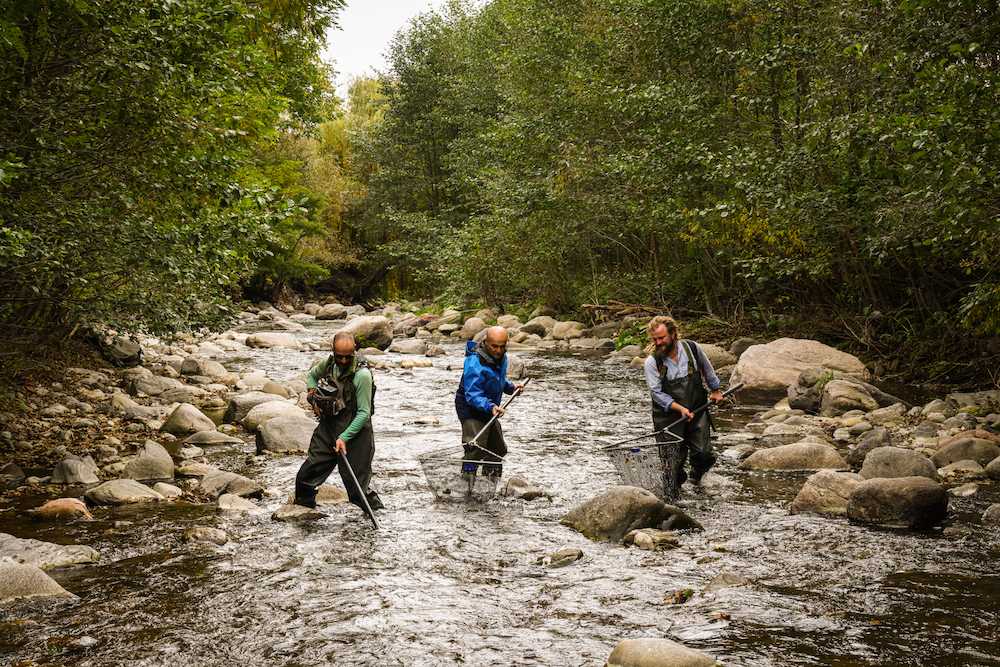
Local non-profit Alex Găvan Foundation has made it its mission to save the asprete from extinction. As part of a wider project carried out in partnership with Fauna & Flora International, a team of specialists spent the October 10-16 week on the Vâlsan river for the most extensive inventory action of the species carried out since its discovery in 1956. They set up a record of 21 scientific fishing stations in the river and identified the fish in 14 of them. In total, 58 have been confirmed - the biggest number yet, but still not enough for the species to be out of danger.
"Not since the mid-1960s have so many asprete been identified, with the largest number so far being 12 found in the early 2000s. There were also years when the asprete was thought to be completely extinct. According to the latest official estimates of the Ministry of the Environment, the population of asprete would count between only 10 and 15 specimens," said Alex Găvan, leading mountaineer & environmentalist and founder of the Alex Găvan Foundation.
Based on the recent inventory's findings, specialists estimate that the total asprete population currently numbers "a few hundred specimens." This is good news for the species' genetic diversity, especially as the project also includes a captive breeding program, but still a small number for it to survive. "Even so, at the moment, the species remains critically endangered," Găvan said.
Free newsletters
Romania, in your inbox before your first coffee.
Get the Daily — the morning briefing, free, in English, unsubscribe anytime. Want business, real estate or travel digests too? Pick your newsletters →