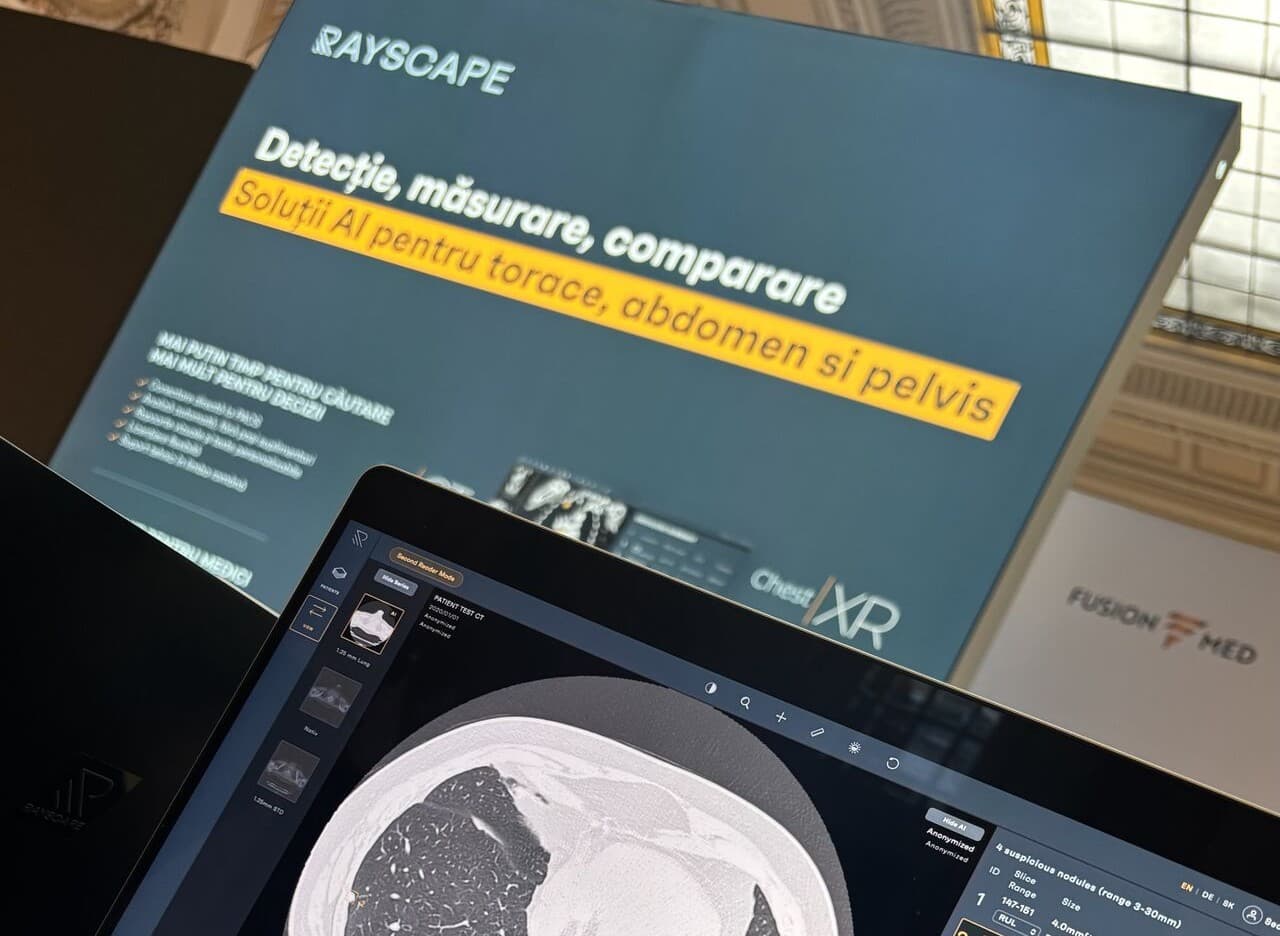
Over half of Romanians turn to AI first for health information, PwC survey finds
Limited disposable income is pushing consumers towards lower-cost wellness products rather than preventive care, gym memberships, or other recurring services.
Irina Marica · Journalist
· 2 min read

More than half of Romanian consumers use artificial intelligence (AI) tools as their first source of health and wellness information, according to PwC’s Voice of the Consumer 2026 survey. The share reached 53% in Romania, compared with 47% in Central and Eastern Europe and 51% globally.
The survey found that 36% of Romanian respondents would use AI to create personalised fitness or wellness plans, while 31% were open to using it for meal planning, shopping lists, and nutrition advice.
A similar proportion would rely on the technology to identify potential sleep- or stress-related problems, while 29% would use it for a preliminary assessment based on symptoms.
“Romanian consumers’ openness to using AI for health and wellness-related matters also reflects more limited access to medical consultations,” said Adina Vizoli, Health & Pharma Leader at PwC Romania.
However, 54% of Romanian respondents cited insufficient disposable income as the main obstacle to meeting their health and wellness objectives, compared with 47% globally.
Lower-cost options were therefore more common, with 72% of respondents purchasing vitamins and supplements and 38% choosing specialised healthy foods and beverages. By comparison, 23% paid for preventive medical check-ups, 19% for gym memberships, and 16% for fitness equipment.
Only 15% had purchased health or fitness applications or subscriptions, while 13% had paid for psychological support, including counselling and meditation apps. Another 12% had purchased spa experiences or treatments.
According to the same survey, a longer and healthier life was the leading objective among Romanian respondents, followed by reducing stress and improving mental health. Despite this, only 39% said they exercised frequently, compared with 44% across the regional sample and 58% globally.
The survey also found that 32% of Romanians rated their health as good or excellent. The use of GLP-1 medication remained limited, although approximately one in four respondents said they were considering using such treatments in the future.
PwC collected the data between February and March 2026 from 21,808 respondents in 27 countries. The Romanian sample comprised 707 people, while the Central and Eastern European results covered 2,419 respondents from Romania, Poland, Hungary, and Ukraine.
Free newsletters
Romania, in your inbox before your first coffee.
Get the Daily — the morning briefing, free, in English, unsubscribe anytime. Want business, real estate or travel digests too? Pick your newsletters →