BBC article highlights Romania as “the European nation where bears roam free”
The famous British publication BBC highlighted Romania’s bear population and the responsible ways in which to admire them in an article published on Monday, April 28.
Radu Dumitrescu · Journalist
· Updated · 2 min read
The famous British publication BBC highlighted Romania’s bear population and the responsible ways in which to admire them in an article published on Monday, April 28.
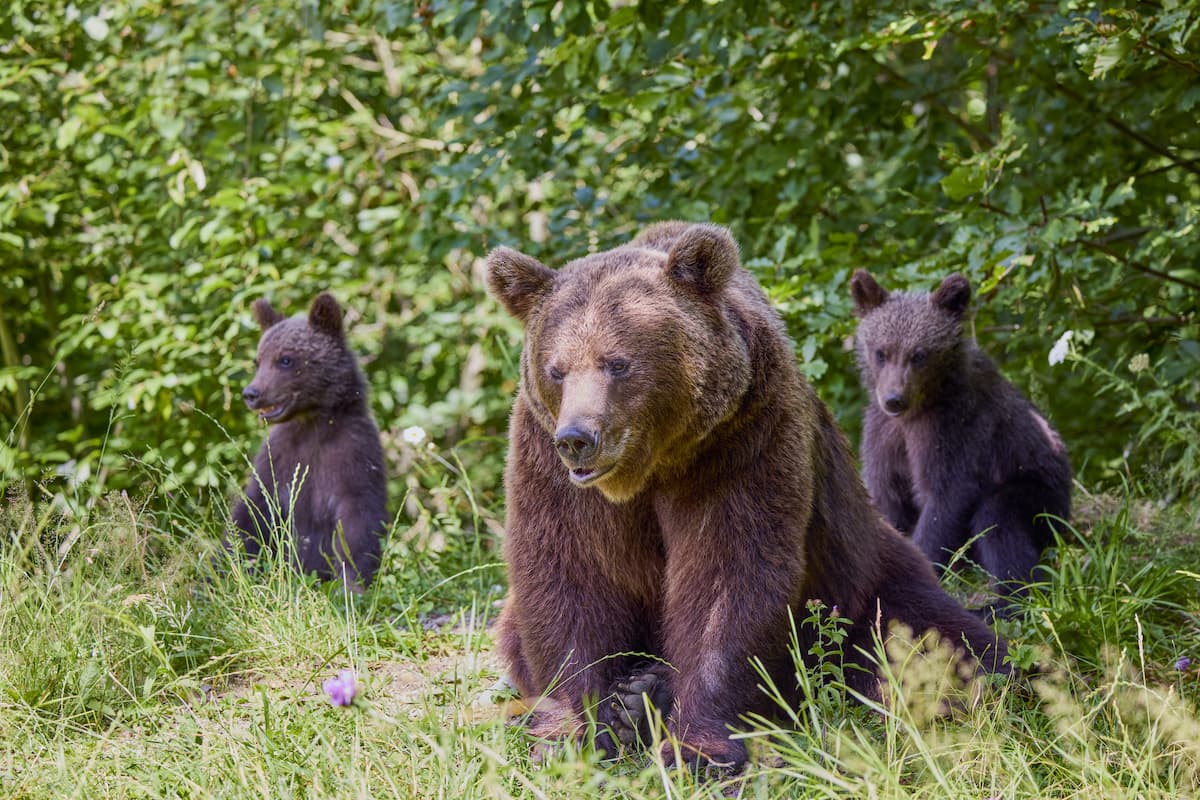
Romania boasts the largest population of wild brown bears in Europe outside of Russia, around 13,000. They represent an attraction for many tourists visiting Romania’s Carpathian Mountains, and not long ago they were paraded in cages to attract customers, according to the author of the piece, Lynn Brown.
However, when Romania joined the European Union in 2007, the country began to adhere to the EU Zoos Directive, which issues guidelines for how captive animals are to be treated. In the past 18 years, bears have been treated more humanely.
Now, companies in Romania offer sustainable bear tourism to those wishing to see free brown bears roaming the forests. Meeting one is not a rare occurrence. Romania's Forestry Research Institute revealed that the nation's brown bear population is much higher than previously estimated.
The renewed way of doing tourism brought economic opportunities to rural communities in Romania’s remote mountain areas, where brown bears have lived for millions of years.
“There's even a dedicated safe haven: Libearty Bear Sanctuary, nestled in the southern Carpathian Mountains in the town of Zarnesti, is the world's largest brown bear sanctuary. It not only rescues and provides medical care to formerly captive bears who can't be released into the wild, but also offers public tours, allowing visitors to see the bears in a 69-hectare expanse of oak forests and grasslands,” the article points out.
Locals, however, say that bear encounters can be dangerous. Visitors have also had conflicts with the animals, often because of unexpected encounters while hiking the mountains, several of which have turned deadly. Conservationists argue that this is not the norm, and efforts are underway to try to find a happy medium that protects the bears and keeps visitors and livestock as safe as possible.
Most life-threatening encounters with bears are due to human error, usually when a human startles a bear or interacts inappropriately with cubs, making mother bears defensive.
“Therefore, when hiking in bear country – whether in Romania or elsewhere – it's important to talk loudly or clap your hands to give the animals time to avoid you,” the BBC article concludes.
Free newsletters
Romania, in your inbox before your first coffee.
Get the Daily — the morning briefing, free, in English, unsubscribe anytime. Want business, real estate or travel digests too? Pick your newsletters →