Russia denies role in Carfil industrial platform fire after ambassador summoned in Bucharest
Romania said evidence links Moscow to the alleged sabotage operation, while the Russian Embassy claimed the accusation is unfounded.
Irina Marica · Journalist
· 2 min read

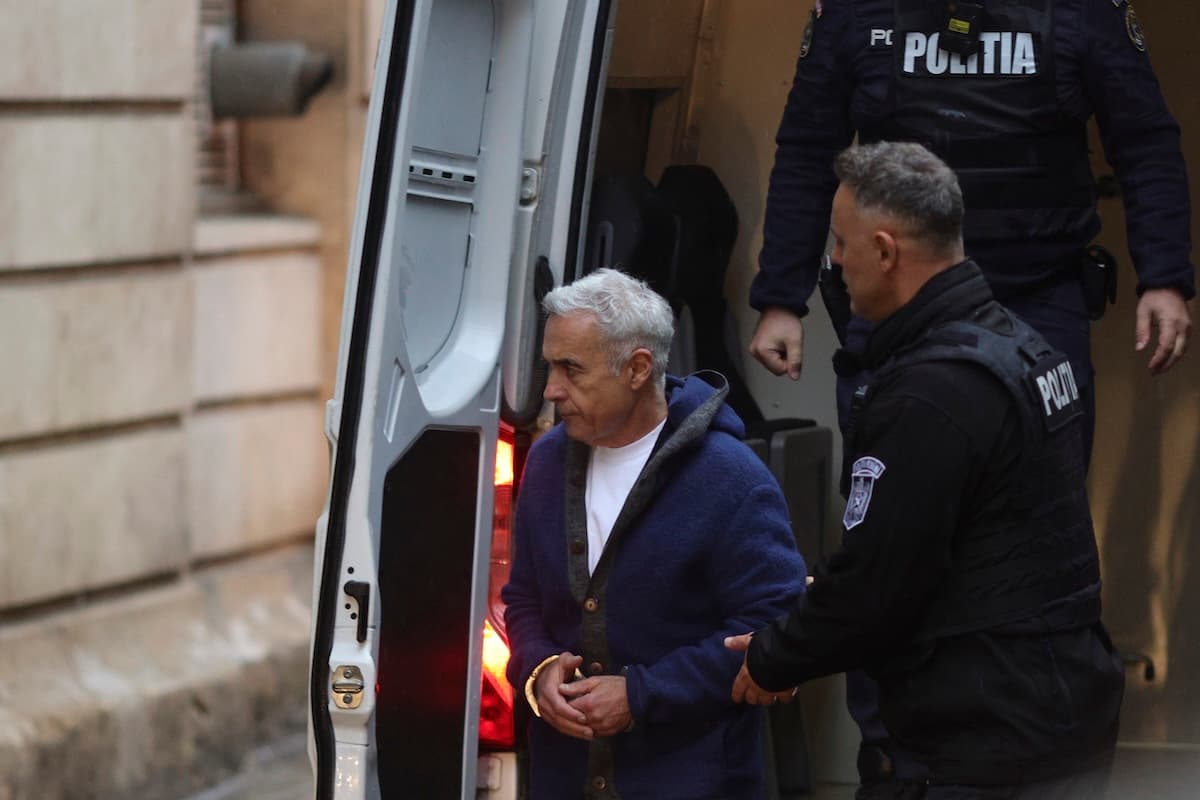
Russia denied planning or coordinating the September 14 fire at the Carfil industrial platform in Brașov, central Romania, after its ambassador was summoned by the Romanian Foreign Ministry. The diplomatic confrontation followed the announcement by Romanian intelligence that a Russian-coordinated sabotage network was involved in causing the blaze.
The Foreign Ministry summoned Russian ambassador Vladimir Lipaev on Tuesday, October 27, and lodged a formal protest over the incident. It said Russia’s responsibility was demonstrated by evidence gathered during the investigation.
Romanian officials described the alleged sabotage as “unacceptable” and warned of serious implications for national security and public safety.
“The incident represents a clear manifestation of hybrid warfare and forms part of an increasingly broad and complex series of actions carried out or supported by the Russian Federation against many other European states,” the ministry said.
In its turn, the Russian Embassy rejected the allegations, claiming Bucharest had presented no evidence during the meeting.
“The Russian diplomat categorically rejected the defamatory insinuations on this matter, stressing that the Russian Federation has never planned, coordinated, or conducted acts of sabotage on Romanian territory or in any other foreign state,” the embassy said.
Ambassador Lipaev accused Romania of wrongly attributing the fire to Russia and claimed that Ukraine, rather than Moscow, posed the real security threat to the region.
According to the embassy, he “urged the Romanian side not to attribute to Russia the style and methods of Romania’s ally, the neo-Nazi regime in Kyiv, whose terrorist nature is well known.”
Facebook postOpen on Facebook
The Romanian Foreign Ministry also condemned what it described as systematic Russian attacks on commercial vessels in the Black Sea, saying they had caused casualties, violated international law, and threatened freedom of navigation.
In its turn, the Russian ambassador rejected Moscow’s responsibility for incidents involving ships in the region. The embassy instead blamed Ukraine and its supporters, claiming Ukrainian forces had targeted more than 250 commercial vessels operating in the interests of Russian businesses since the beginning of the year and that 28 sailors had died.
Free newsletters
Romania, in your inbox before your first coffee.
Get the Daily — the morning briefing, free, in English, unsubscribe anytime. Want business, real estate or travel digests too? Pick your newsletters →