Romanian election winner wants coming tax cuts postponed to implement its own promises
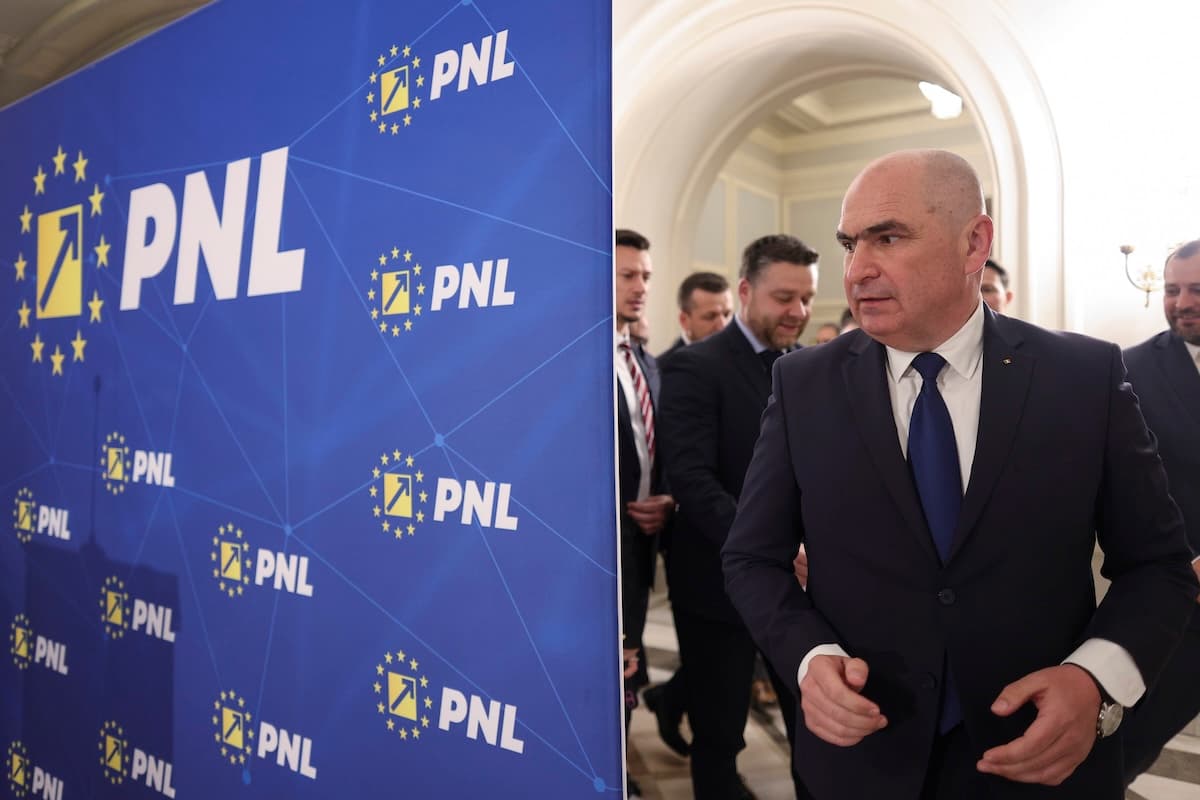
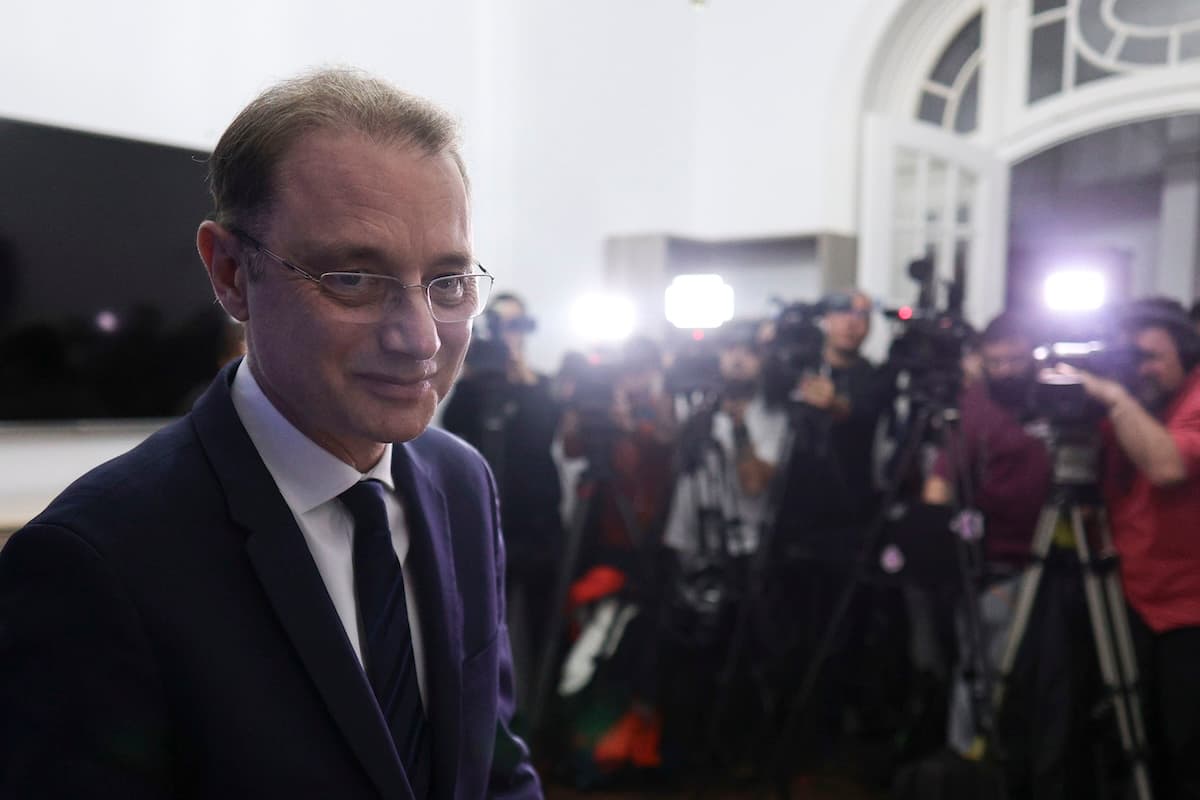
Liviu Dragnea (right), the president of the Social Democratic Party (PSD), asked Prime Minister Dacian Ciolos (left) to postpone the VAT rate cut and the elimination of the extra excise on fuel and the tax on special construction, that are…
Romania Insider · Journalist
· Updated · 4 min read

Liviu Dragnea (right), the president of the Social Democratic Party (PSD), asked Prime Minister Dacian Ciolos (left) to postpone the VAT rate cut and the elimination of the extra excise on fuel and the tax on special construction, that are supposed to become effective on January 1, 2017. Not two days have passed since Dragnea’s PSD categorically won the parliamentary elections in Romania after promoting a law to cut 102 taxes and promising more tax cuts in the next years. Moreover, the fiscal relaxation measures that are supposed to come into effect at the beginning of next year are part of the changes to the fiscal code promoted by the PSD Government led by Victor Ponta in 2015. Dragnea was deputy prime minister at that time. Despite this, Dragnea kindly asked Dacian Ciolos, whom he has acidly criticized in the past months for his cabinet’s opposition to the populistic measures PSD passed through the Parliament just before the elections, to issue an Emergency Ordinance and postpone the coming tax cuts. His explanation is that the future PSD Government should implement its own governing program, which includes salary and pension increases and tax cuts, but not those exact tax cuts. A new Government should be installed in Romania by the end of this year and PSD, which won the parliamentary elections and will have the majority in the Parliament, will name it. Liviu Dragnea may be PSD’s proposal for PM, despite President Klaus Iohannis reluctance to name him. If Dacian Ciolos doesn’t accept to postpone the tax cuts, the new Government may not have time to take such a decision, which would make it even harder for PSD to keep its very generous campaign promisses. The most important fiscal relaxation measures that should come into effect on January 1 include lowering the general VAT rate from 20% to 19% and eliminating the extra excise on fuel and the tax on special construction, two taxes that had been introduced by the Victor Ponta Government in 2013. The VAT rate cut by one percentage point would reduce the budget revenues by almost EUR 600 million and the elimination of the other two taxes would take roughly another EUR 1 billion. PSD’s economic program includes the VAT cut from 20% to 18%, but starting January 1, 2018. The document doesn’t say anything about the other two taxes. The Social-Democratic leader believes that the VAT rate cut from 20% to 19% in 2017 wouldn’t bring any advantage to local companies and consumers, according to an interview he gave local website
Free newsletters
Romania, in your inbox before your first coffee.
Get the Daily — the morning briefing, free, in English, unsubscribe anytime. Want business, real estate or travel digests too? Pick your newsletters →