The top 10 economic promises that helped the Social-Democrats win the elections in Romania
More Romanians in the middle class is the main promise the Social Democratic Party (PSD) has made in the campaign for the parliamentary elections. “Every Romanian citizen and every family that works hard must have the chance to be part of…
Romania Insider · Journalist
· Updated · 4 min read
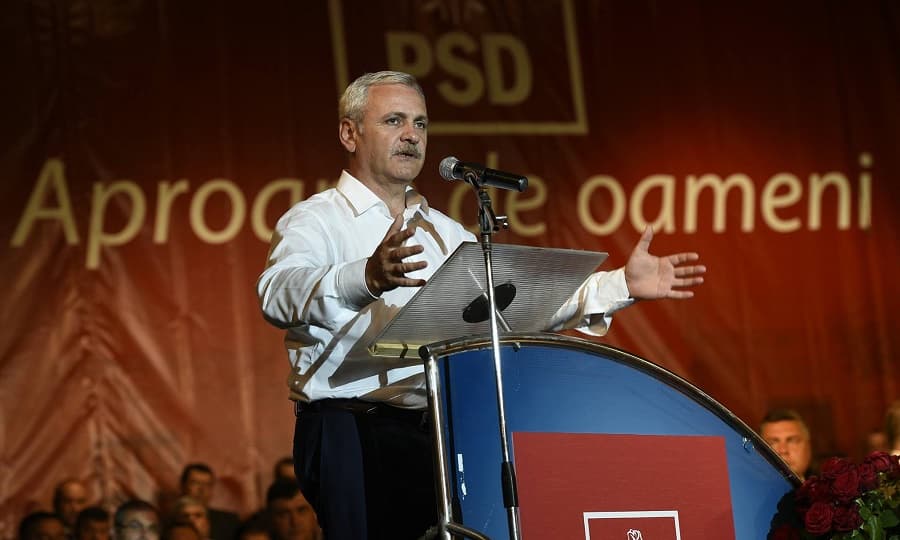
More Romanians in the middle class is the main promise the Social Democratic Party (PSD) has made in the campaign for the parliamentary elections. “Every Romanian citizen and every family that works hard must have the chance to be part of the middle class, namely to have a well-paid job, access to top education, quality medical services, and enough money to afford one family holiday each year,” according to PSD leader Liviu Dragnea. Here are the top 10 economic promises PSD has included in its governing program, which helped the party win the parliamentary elections. 1.Higher salaries: The salaries of all education and healthcare employees will go up by 15% starting January 1, 2017 (the increase has already been approved by the Parliament before the elections). Moreover, all public-sector employees will get higher salaries starting July 1, 2017. This measure will increase the state’s personnel expenses by almost EUR 2 bln, in 2017, to some EUR 14.6 billion. Over the next four year, the minimum gross salary should increase to RON 1,750 (from RON 1,250 now) and the average gross wage in Romania should go up by 40% in the next four years, to RON 3,950 (EUR 877). The number of employees in Romania should also increase by 850,000, to 5.6 million in 2020. 2.Higher pensions: the pension point will increase from RON 871 (EUR 193) to RON 1,000 (EUR 222) while the minimum guaranteed pension will go up from RON 400 (EUR 89) to RON 520 (EUR 115). This will increase the state’s welfare expenses by over EUR 1 bln, to EUR 19.2 billion. In the next four years, the pension point should increase by a total 60% by 2020, to RON 1,400 (40% of the average salary). 3.Higher public investments, which will be directed to the defense industry, local development (water, sewage, roads, houses), building new hospitals and revamping existing ones, building new kindergartens, revamping public schools, irrigation systems, highways and fast railways. The public investments in 2017 should reach EUR 5.3 billion, up by EUR 1.5 billion compared to this year. 4.Higher defense spending: Romania’s defense budget should increase by over EUR 1 billion in 2017 and reach 2% of the country’s GDP. 5.Creating a sovereign investment fund that will reunite the state’s stakes in some 200 companies. The fund should have some EUR 10 billion in assets and should finance strategic projects and help increase the EU fund absorption. It should finance investments in new highways, energy projects, irrigation systems, hospitals, and research and development. The fund would also invest in creating new food, metallurgic, pharmaceutical, and defense component factories and would help create some 42,000 new jobs.
Free newsletters
Romania, in your inbox before your first coffee.
Get the Daily — the morning briefing, free, in English, unsubscribe anytime. Want business, real estate or travel digests too? Pick your newsletters →