Made by & for Ukrainians: ‘UA School’ initiative in Cluj opens for over 200 Ukrainian refugee children, pleads for financial aid
In February 2022, a vile military invasion that caused the worst atrocities in Europe since World War II began in Ukraine, killing thousands of innocent civilians and pushing families to forcedly seek refuge in its neighboring countries,…
Rafly · Journalist
· Updated · 3 min read

In February 2022, a vile military invasion that caused the worst atrocities in Europe since World War II began in Ukraine, killing thousands of innocent civilians and pushing families to forcedly seek refuge in its neighboring countries, like Poland, Hungary, and Romania.
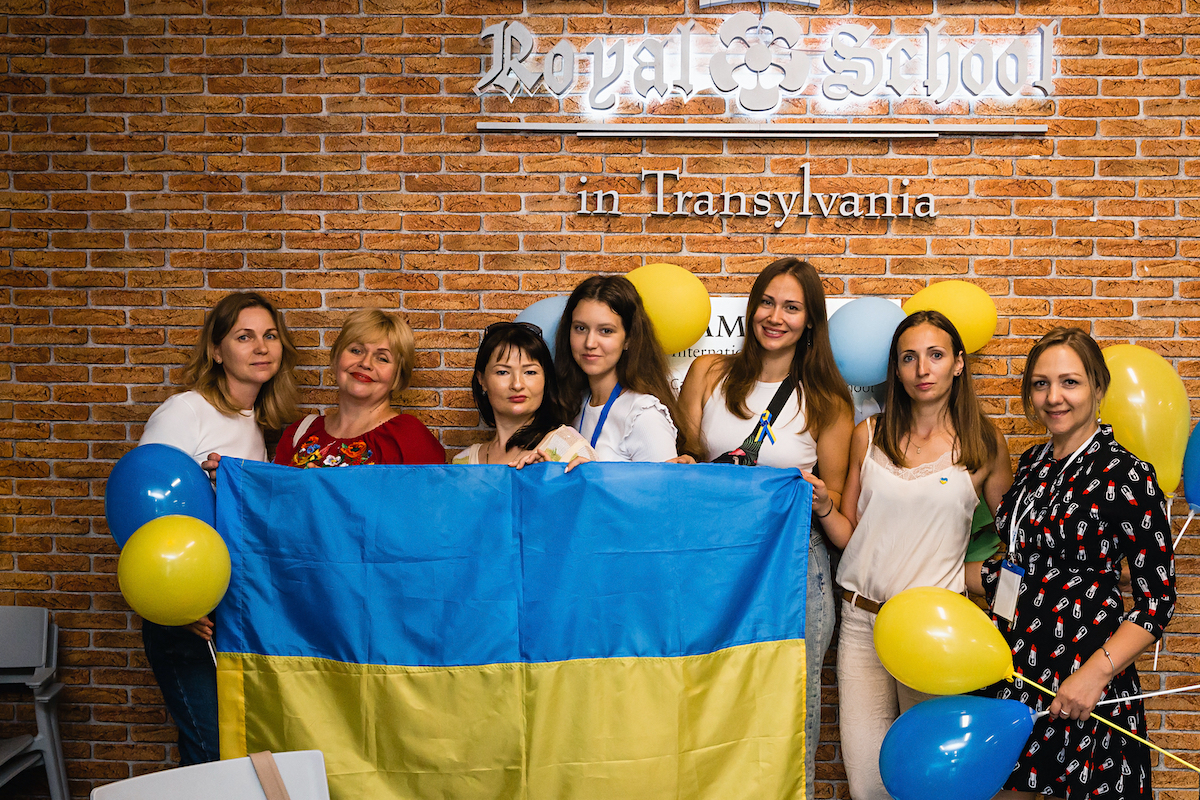
Around a month later, Kseniia Shyriaieva moved to Cluj-Napoca from Dnipro with her mother and her nephew to start a new life under critical circumstances. She, then, initiated UA School, a social and educational project dedicated to Ukrainian children in the city, with help from Institutul Român Pentru Pace (PATRIR), Asociatia Tinerilor Ucraineni din România, and the Royal School in Transylvania.
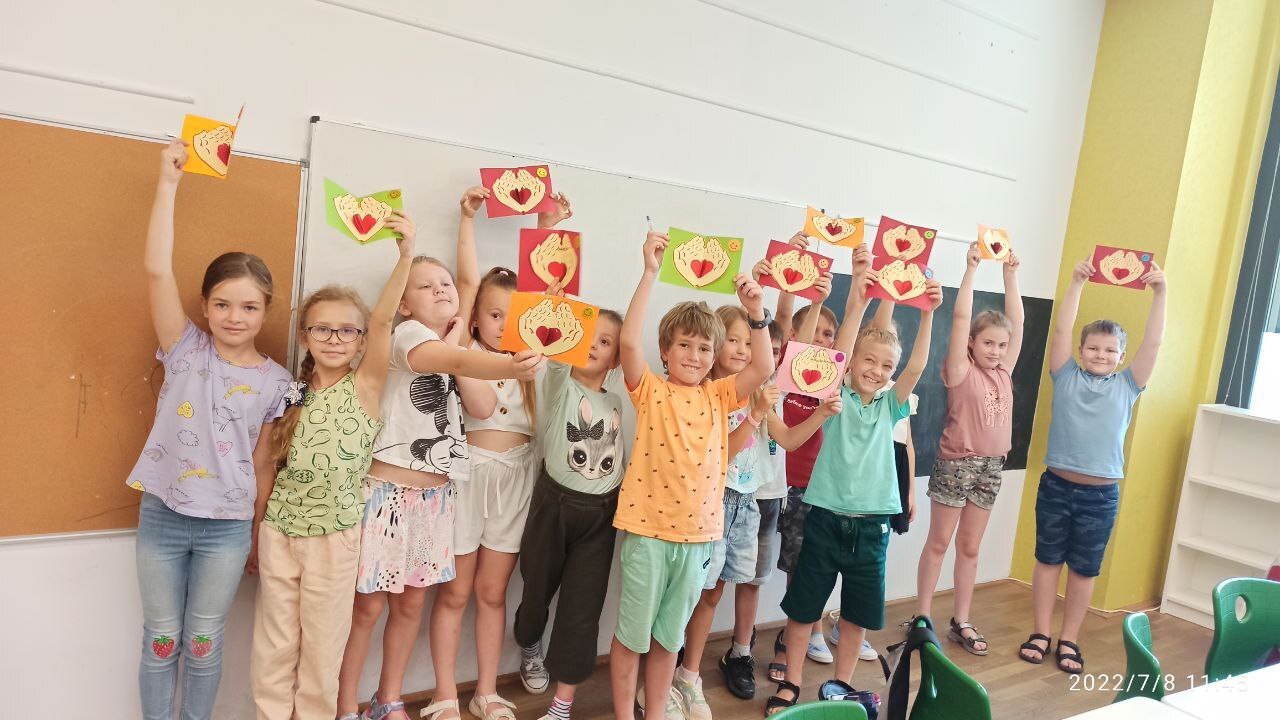
Per August 2022, 237 children have signed up for the long-term program, ranging from the 1st to 11th grade, but still need more funding sources to cater to the costs of cleaning issues, financial reimbursements for the teachers, and operational costs before its initial start in September.
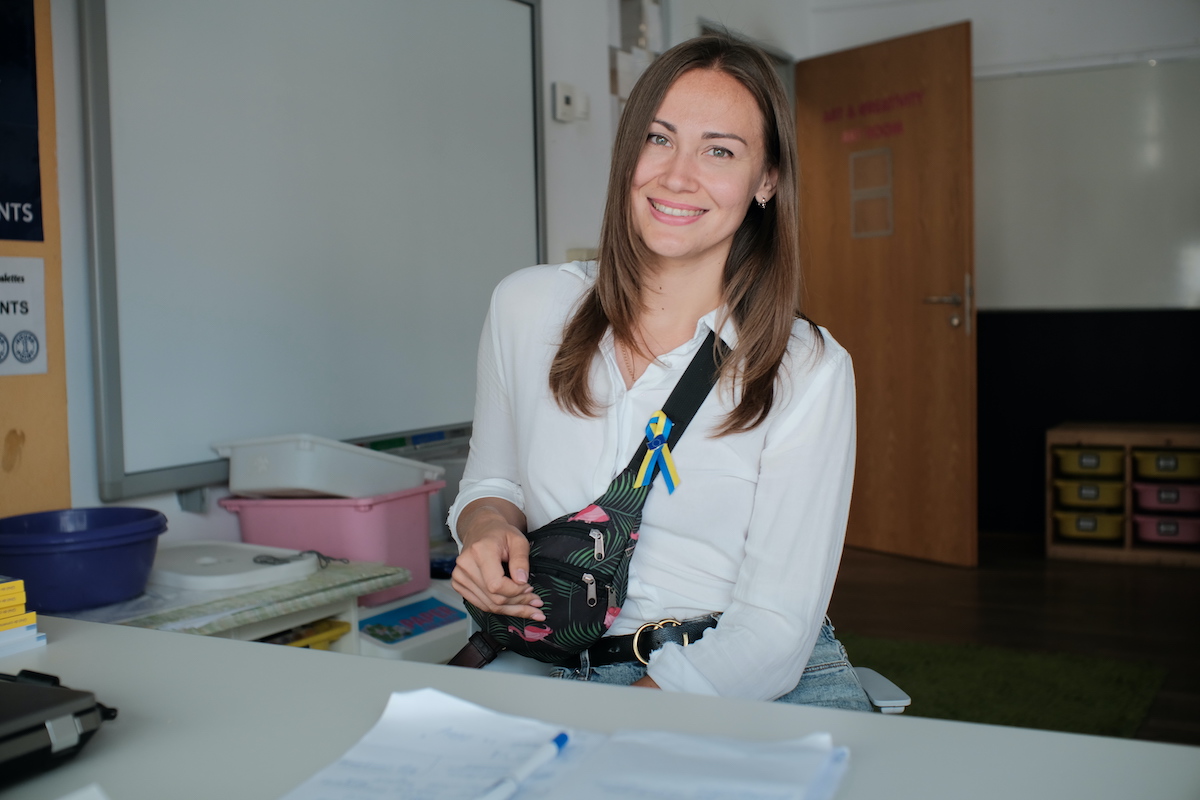
“One woman, who's connected to the Royal School in Cluj, initiated this first back in March, so I made a Google Form to receive feedback, but it somehow died down until the end of May. So, I shared another form, and around 90 parents came to the meeting, and the reaction was positive,” Shyriaieva recalls.
Its pilot project, the Summer School of the UA School in Cluj, kicked off from July 4 to 29 at the Royal School in Transylvania, enrolling a total of 130 children and a team of 16 teachers and 15 volunteers, and was supported by PATRIR, Mercy Corps and Medical International Rescue. The one-month event had been covered by local publications in the city, including Maszol.ro, Cluj24.ro, and Gazeta de Cluj.
“I would like to create a safe place for children and parents to share. Especially the kids, because they're dealing with such a tremendous amount of stress, and we don't see them outside. It's inside them,” she says.
The project does not aim for full integration - instead, as an emergency exit, it wants to create an environment that tailors their lives pre-war rather than adding up to the children's psychological burden by integrating them into the new life, the new society, and the new language that is in Romania.
Free newsletters
Romania, in your inbox before your first coffee.
Get the Daily — the morning briefing, free, in English, unsubscribe anytime. Want business, real estate or travel digests too? Pick your newsletters →