Romanian president and Social Democrats reportedly resume attempts to build new ruling majority

31 August 2026

A new ruling-majority scenario with the Social Democratic Party (PSD) at its core is being promoted by the Presidency, according to sources familiar with the negotiations consulted by G4Media and Digi24. Most ministers would be appointed by PSD, except for the Foreign Affairs and Defence portfolios, which are claimed by president Nicușor Dan, while the prime minister would be a technocrat.

The planned calendar envisages the nomination during next weekend, followed by the vote in Parliament several days later.
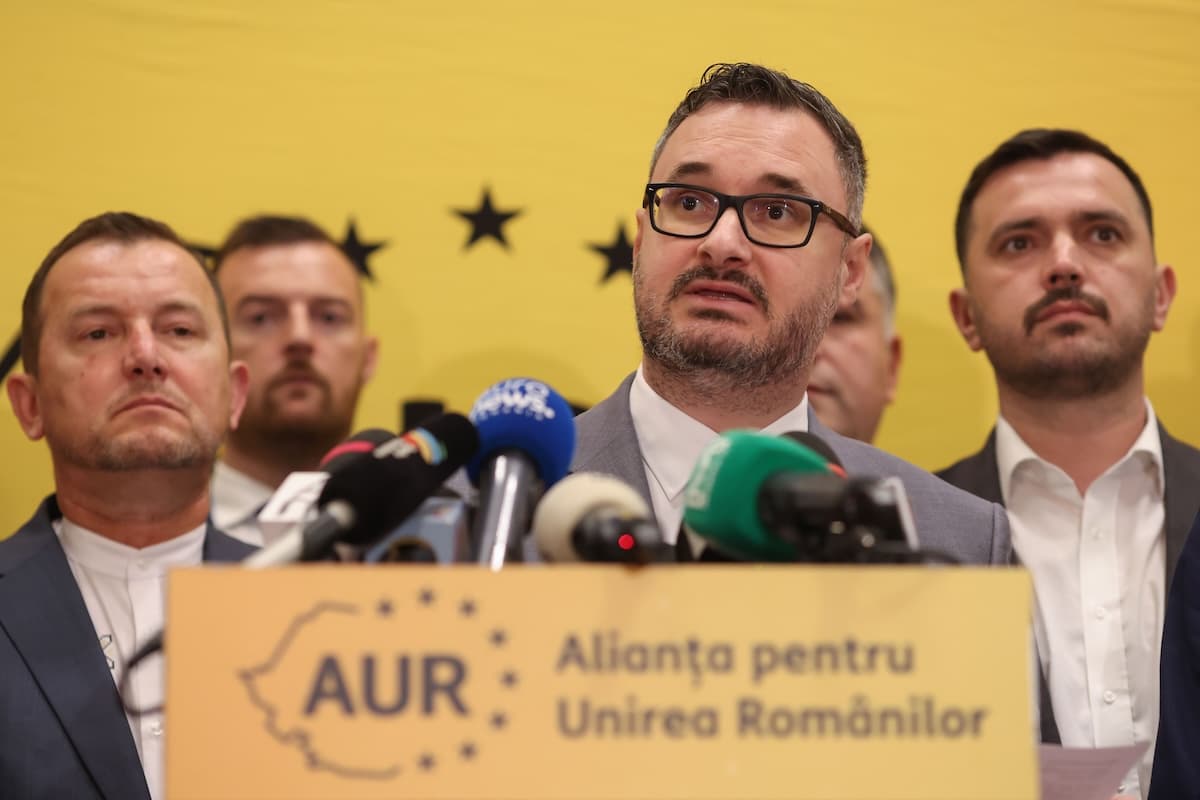
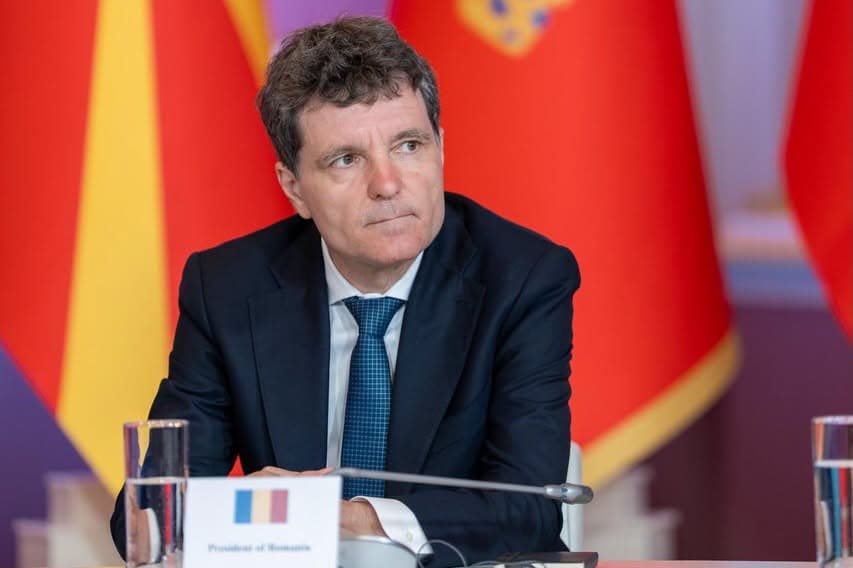
The plan assumes the support of the Hungarian party UDMR, a dissident faction within the Liberal Party (PNL), and most representatives of the ethnic minorities, but also envisages support from a substantial number of lawmakers who have (or will) split from the far-right parties POT, SOS Romania, and AUR. The plan's weak point may be UDMR's reluctance to cohabit with far-right lawmakers, despite the party's declared commitment to contributing to a stable ruling majority through cooperation with any centrist party, including PSD.

The candidates for the post of prime minister are not new: the list includes President's adviser Eugen Tomac and interim Finance Minister Alexandru Nazare.

According to G4Media's calculations, the planned ruling majority (at least 233 MPs) would include the 127 MPs of PSD, the 31 MPs from UDMR, plus the 17 Liberal (PNL) MPs who supported the candidacy of former PM-designate Adrian Veștea. Based on the vote in Parliament on Adrian Veștea's cabinet - a project not much different from president Dan's current attempt - G4Media assumes that 15 of the 17 ethnic-minority MPs would also vote for the new majority. On these assumptions, the would-be majority would still need 44 votes to reach the 233-vote threshold. The caucus of former PSD president Victor Ponta could provide 18 votes without excessively diluting the centrist orientation of the majority. The remaining 26 votes would have to come from MPs who have split from SOS Romania, POT and other small far-right parties. Based on the political gesture of AUR MP Mohammad Murad, G4Media speculates that a faction of AUR could support the PSD-led majority.

Forming a fragile majority around PSD therefore emerges as a possible scenario, but only if UDMR and president Dan accept the compromise of relying on significant support from MPs with far-right views. Such MPs, representing various extremist orientations, would account for more than 10% of the ruling coalition and could demand a government portfolio.

Splitting a larger part of the PNL parliamentary group, either before or after the vote on the new government in Parliament, may be a follow-up plan aimed at addressing the concerns of various stakeholders - investors, the electorate and the European Commission - about including far-right MPs in the ruling coalition.

The odds of a major split within PNL may have increased as public support for acting PM and PNL president Ilie Bolojan appears to be dissipating, alongside a growing reformist fatigue amplified by the lack of results. Still, the magnitude of the PNL share needed by PSD to replace the far-right MPs is considerable.

The implications of a PSD-centred government for fiscal policy are moderately negative in the short term - Romania will not be downgraded or have EU funds frozen - and negative in the medium to long term, as the 2028 budget may deviate from the consolidation plan ahead of the elections.

Such a cabinet, particularly if headed by Alexandru Nazare, may keep fiscal consolidation broadly in line with the plans for 2027 even without a Wage Law in place. The payroll can be credibly capped through other means; the main role of the Wage Law is to ensure that the payroll envelope is shared equitably among employees. While it should be a key reform for the Romanian state and society, it may not be of primary importance for the investors as long as the fiscal consolidation is secured. We do not expect a Wage Law to be agreed and approved by the end of the year. 

The Social Democrats understand the need to preserve financial flows from the EU and foreign investors, while inflation supports moderate nominal indexation of pensions and wages without generating significant fiscal slippage. Furthermore, the fiscal effort planned for 2027 is moderate under the Excessive Deficit Procedure plan.

The lack of reforms will, however, accumulate into a more significant problem in 2028, when PSD is likely to be inclined to boost expenditure ahead of the parliamentary elections expected in the autumn.

iulian@romania-insider.com

(Photo source: Inquam Photos/Octav Ganea)

Normal

Romanian president and Social Democrats reportedly resume attempts to build new ruling majority

31 August 2026

A new ruling-majority scenario with the Social Democratic Party (PSD) at its core is being promoted by the Presidency, according to sources familiar with the negotiations consulted by G4Media and Digi24. Most ministers would be appointed by PSD, except for the Foreign Affairs and Defence portfolios, which are claimed by president Nicușor Dan, while the prime minister would be a technocrat.

The planned calendar envisages the nomination during next weekend, followed by the vote in Parliament several days later.
The plan assumes the support of the Hungarian party UDMR, a dissident faction within the Liberal Party (PNL), and most representatives of the ethnic minorities, but also envisages support from a substantial number of lawmakers who have (or will) split from the far-right parties POT, SOS Romania, and AUR. The plan's weak point may be UDMR's reluctance to cohabit with far-right lawmakers, despite the party's declared commitment to contributing to a stable ruling majority through cooperation with any centrist party, including PSD.

The candidates for the post of prime minister are not new: the list includes President's adviser Eugen Tomac and interim Finance Minister Alexandru Nazare.

According to G4Media's calculations, the planned ruling majority (at least 233 MPs) would include the 127 MPs of PSD, the 31 MPs from UDMR, plus the 17 Liberal (PNL) MPs who supported the candidacy of former PM-designate Adrian Veștea. Based on the vote in Parliament on Adrian Veștea's cabinet - a project not much different from president Dan's current attempt - G4Media assumes that 15 of the 17 ethnic-minority MPs would also vote for the new majority. On these assumptions, the would-be majority would still need 44 votes to reach the 233-vote threshold. The caucus of former PSD president Victor Ponta could provide 18 votes without excessively diluting the centrist orientation of the majority. The remaining 26 votes would have to come from MPs who have split from SOS Romania, POT and other small far-right parties. Based on the political gesture of AUR MP Mohammad Murad, G4Media speculates that a faction of AUR could support the PSD-led majority.

Forming a fragile majority around PSD therefore emerges as a possible scenario, but only if UDMR and president Dan accept the compromise of relying on significant support from MPs with far-right views. Such MPs, representing various extremist orientations, would account for more than 10% of the ruling coalition and could demand a government portfolio.

Splitting a larger part of the PNL parliamentary group, either before or after the vote on the new government in Parliament, may be a follow-up plan aimed at addressing the concerns of various stakeholders - investors, the electorate and the European Commission - about including far-right MPs in the ruling coalition.

The odds of a major split within PNL may have increased as public support for acting PM and PNL president Ilie Bolojan appears to be dissipating, alongside a growing reformist fatigue amplified by the lack of results. Still, the magnitude of the PNL share needed by PSD to replace the far-right MPs is considerable.

The implications of a PSD-centred government for fiscal policy are moderately negative in the short term - Romania will not be downgraded or have EU funds frozen - and negative in the medium to long term, as the 2028 budget may deviate from the consolidation plan ahead of the elections.

Such a cabinet, particularly if headed by Alexandru Nazare, may keep fiscal consolidation broadly in line with the plans for 2027 even without a Wage Law in place. The payroll can be credibly capped through other means; the main role of the Wage Law is to ensure that the payroll envelope is shared equitably among employees. While it should be a key reform for the Romanian state and society, it may not be of primary importance for the investors as long as the fiscal consolidation is secured. We do not expect a Wage Law to be agreed and approved by the end of the year. 

The Social Democrats understand the need to preserve financial flows from the EU and foreign investors, while inflation supports moderate nominal indexation of pensions and wages without generating significant fiscal slippage. Furthermore, the fiscal effort planned for 2027 is moderate under the Excessive Deficit Procedure plan.

The lack of reforms will, however, accumulate into a more significant problem in 2028, when PSD is likely to be inclined to boost expenditure ahead of the parliamentary elections expected in the autumn.

iulian@romania-insider.com

(Photo source: Inquam Photos/Octav Ganea)

Normal

Romania Insider Free Newsletters