What every visitor should know about cultural etiquette in Thailand
Thailand is quite a popular destination in Southeast Asia. It is renowned for its stunning beaches, ancient temples, and friendly locals. However, behind the smiles lies a culture rooted in tradition, respect, and subtle social rules.…
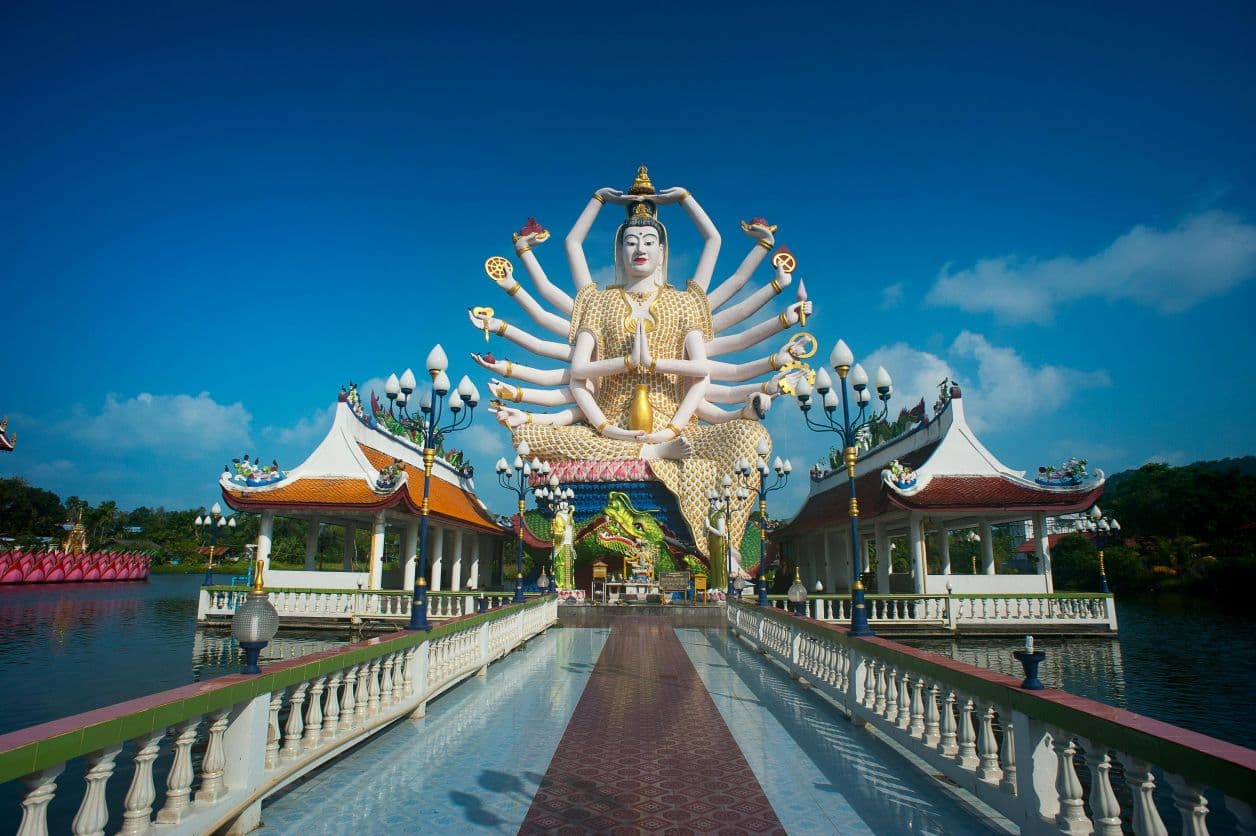
Thailand is quite a popular destination in Southeast Asia. It is renowned for its stunning beaches, ancient temples, and friendly locals. However, behind the smiles lies a culture rooted in tradition, respect, and subtle social rules. While most people are friendly and forgiving of mistakes, it's still essential for visitors to understand basic etiquette.
A few small gestures and habits can go a long way in showing respect. Cultural missteps may not cause trouble, but they can leave a negative impression. Learning how to behave respectfully enhances your experience and builds better connections. Here's what every traveler should know before exploring the Land of Smiles.
Greeting with a Wai
In Thailand, greetings are not just casual gestures but symbols of respect and status. The traditional greeting is called the "wai" and involves placing your palms together and bowing your head. You don't need to initiate a wai, but it's polite to return one when offered. It's most commonly used to greet elders, monks, or those in higher positions.
Don't give a wai to service staff or children; a smile is usually enough. Performing the wai casually or while multitasking can come across as rude. When in doubt, use a thailand esim to surf the internet to understand how it's done. Using the wai correctly makes a strong, respectful first impression.
Keep in account your feet and head
In their culture, the head is considered sacred, while the feet are seen as the lowest part of the body. Never make contact with someone's head, even playfully. It's highly disrespectful. Similarly, avoid pointing your feet at people, Buddha statues, or sacred objects.
When sitting, especially on the floor, keep your feet tucked behind you or to the side. Don't place your feet on tables, chairs, or other furniture. Stepping over people or objects can also be viewed as impolite. These customs may seem unusual, but they are deeply rooted in their beliefs.
Dress modestly at temples
Temples are sacred spaces in Thailand, and visitors are expected to dress respectfully when entering them. Sheathe your shoulders, chest, and knees. Learn what to wear or what not to by visiting forums using a Thailand eSIM.
Most temples provide scarves or wraps if you arrive unprepared, but it's better to come appropriately dressed. Shoes must be removed before entering temple buildings, so wear something easy to slip off. Hats and sunglasses should also be taken off while inside. Dress codes are about showing humility, not fashion rules.
Free newsletters
Romania, in your inbox before your first coffee.
Get the Daily — the morning briefing, free, in English, unsubscribe anytime. Want business, real estate or travel digests too? Pick your newsletters →