Travel planner: An autumn walk through history and art in Mogosoaia
Guest writer Mariana Ganea goes to Mogosoaia palace to meet with history and art.
Mariana Ganea · Journalist
· Updated · 4 min read
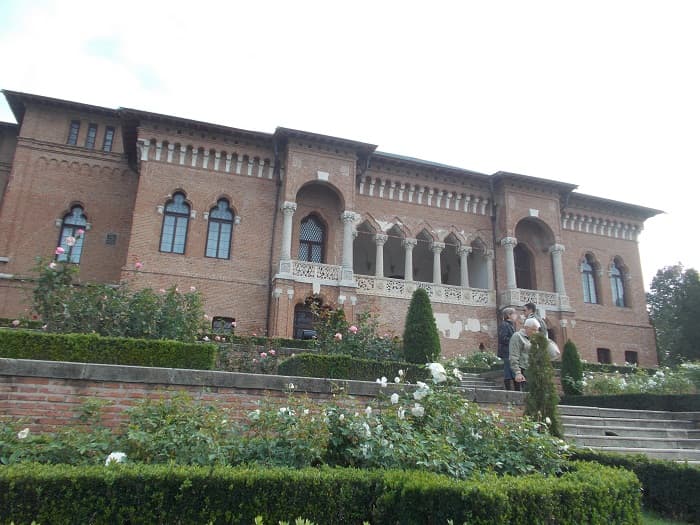
Guest writer Mariana Ganea goes to Mogosoaia palace to meet with history and art.
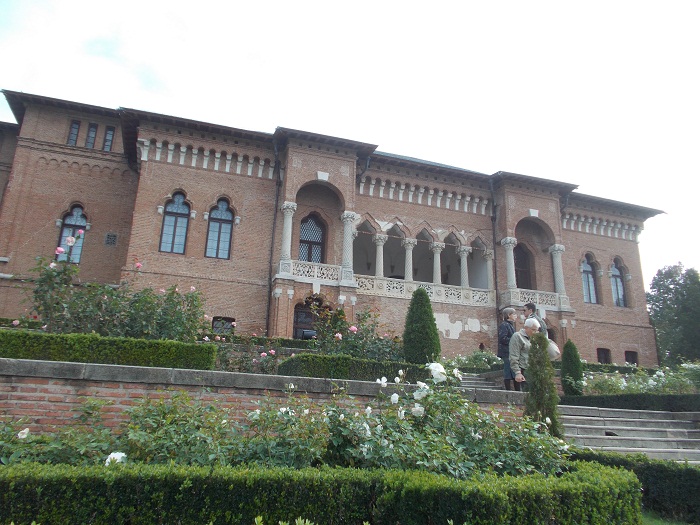
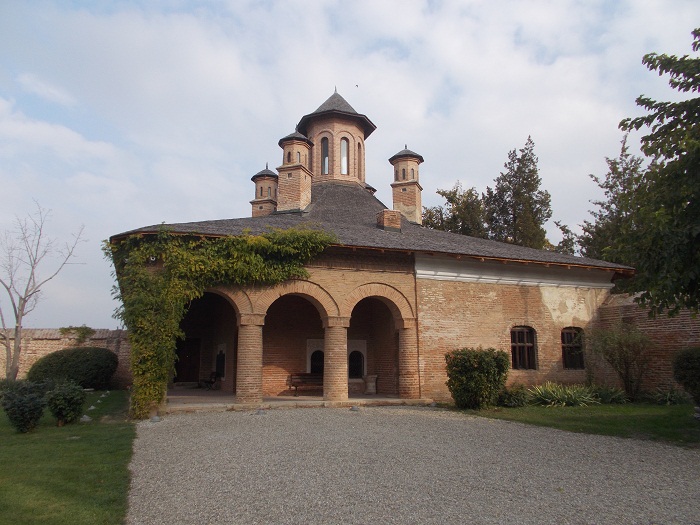
I took advantage of the beautiful autumn days last weekend, waking up early and spending the day very close to Bucharest, in a wonderful place. It's called Mogosoaia. As I had expected, there I found the mix of autumn colors on the background of the Palace that stands there by the lake. After half an hour of driving from Bucharest, or some 10 kilometers away, on the road between Bucharest and the ancient capital of Wallachia, Targoviste, I arrived at the museum complex. My plan was to spend the entire Sunday there, inhaling fresh air, listening to the birds singing and walking on the park alleys, but my expectations were exceeded. Mogosoaia can offer so much more. Walking on the alleys of the Mogosoaia park, I could swear I felt the presence of its builder, the prince Constantin Brancoveanu. Under his rule, the palace was built between 1698 and 1702. The name of the place came from the widow of the Boyar Mogos, who owned the land which now hosts the palace. I could imagine his children playing in the large garden, which today is more of a picnic area for city dwellers. I could see them eating traditional dishes cooked in the place called Cuhnia, then I could imagine the prince sitting on his Brancovenesc style throne and thinking of the difficult and complex foreign affairs between his little but rich kingdom and the nearby Goliath empires - the Austro Hungarian, the Ottoman, and Russian. All these kingdoms were equally interested by this country so blessed by nature, and which, above all, had such as good location. In spite of his worries, I imagine the prince calm and peaceful because every morning, together with his family, he listened to the service in the St. George church, which he ordered to be built from his personal funds.
Brancoveanu wasn’t only a highly educated prince, a personality of the Romanian Renaissance, a prince who supported the creation of a Romanian architectural style – which later on was named after him, but he was an open minded diplomat, a visionary, a true Orthodox believer and a very rich man. I remember I learned in school that events in Constantin Brancoveanu and his family's tragic story were triggered by his beliefs and his money. Brancoveanu was the Prince of Wallachia between 1688 – 1714. He negotiated an anti Ottoman alliance with the Habsburg Monarchy and with Russia's tzar Peter the Great. His schemes were betrayed to the Ottomans and in 1714 he was deposed from his throne by the Turks arrested and imprisoned in the fortress of the Seven Towers in Istanbul. He, his four sons and his grand treasurer Enachita Vacarescu were beheaded in the Ottoman capital in 1714.
Free newsletters
Romania, in your inbox before your first coffee.
Get the Daily — the morning briefing, free, in English, unsubscribe anytime. Want business, real estate or travel digests too? Pick your newsletters →