S&P meets Romania’s finance minister Alexandru Nazare in Bucharest
Romania’s interim finance minister Alexandru Nazare met representatives of rating agency Standard & Poor’s, who arrived in Bucharest for consultations ahead of the key sovereign review scheduled for October 2.
iulian ernst · Journalist
· 2 min read
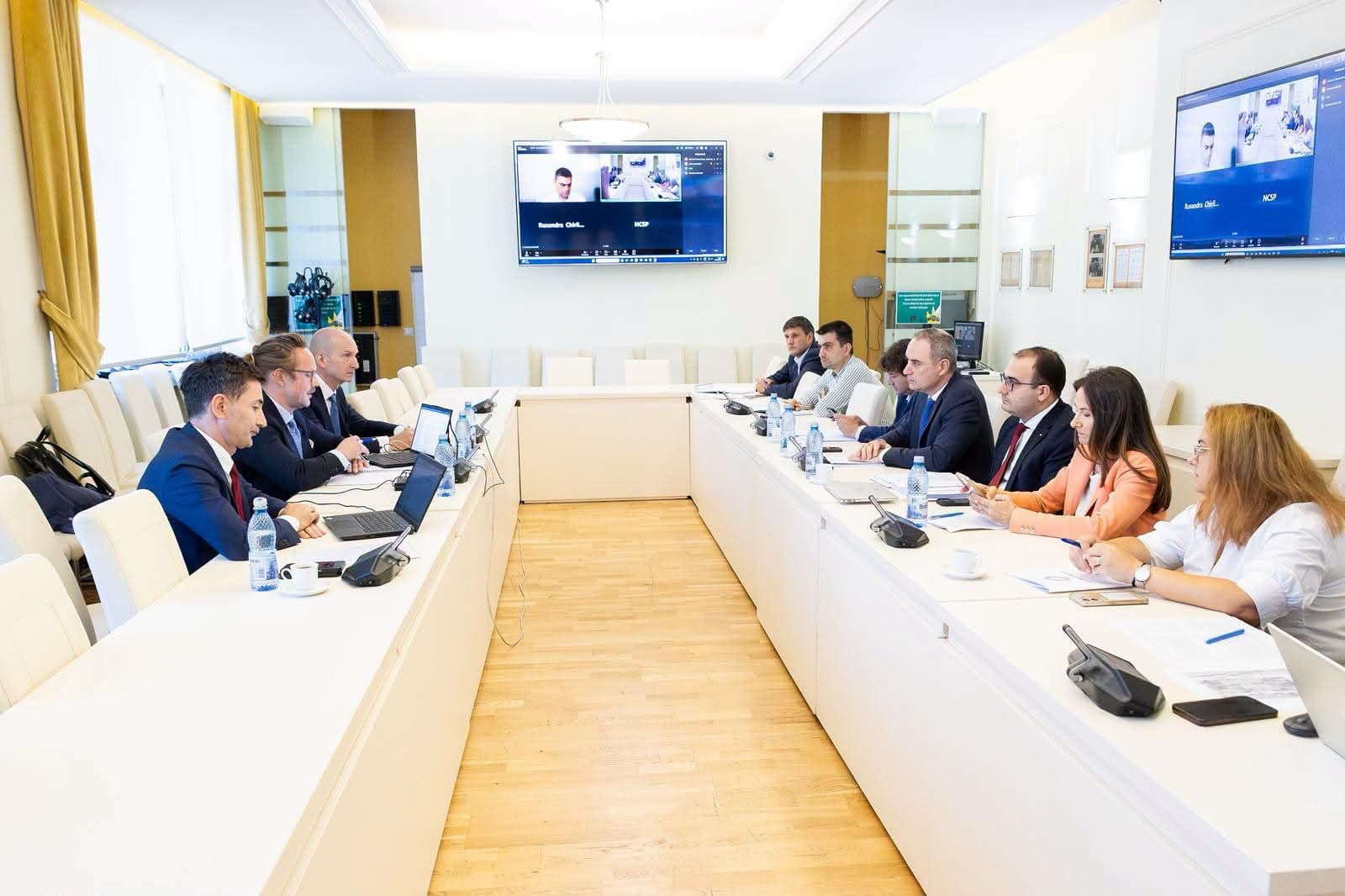
The minister said the fiscal consolidation already achieved is a strong argument for maintaining Romania’s investment-grade rating, but acknowledged that political instability remains a concern for the rating agency.
As a minister in a caretaker government, with limited powers to initiate new legislation and no clear political mandate for the 2027 budget, Nazare’s position is relatively weak in front of the rating agency experts, who will seek to assess to what extent the political instability is putting the country’s fiscal consolidation at risk. Their task is complicated by the fact that prime minister-designate Siegfried Mureșan (PNL) is seeking parliamentary support for a minority government, while the Social Democrats have decided not to support his proposed cabinet. Mureșan has nevertheless continued negotiations with parliamentary groups, meaning that the policy direction of the next government remains uncertain.
This leaves the rating agency with limited visibility on the fiscal policy that will follow the current consolidation effort.
PSD has historically advocated a more expansionary social and fiscal agenda than the policies pursued by the Ilie Bolojan government, particularly around wages, pensions and taxation, while rating agencies have repeatedly stressed the need for sustained fiscal consolidation and policy continuity. The question for S&P is therefore not only whether the current government can deliver on this year’s deficit target, but whether the next government will maintain the adjustment path.
“Our main argument remains the budget execution,” finance minister Nazare said in a Facebook post after meeting S&P experts.
“The figures demonstrate that the adjustment regards not only the deficit, but begins being visible in the structure of the budget. We have demonstrated that we can reduce the deficit and keep spending under control, while protecting investments financed from European funds and directing more resources towards projects with high economic impact. The results of the last months continue to confirm the adjustment started last year and support the arguments that I presented today regarding the achievement of the targets assumed for this year,” he added.
The talks also focused on the difficulties of the current period, including political uncertainties, external pressures and those on financing costs, while also presenting the Ministry of Finance's strategy for the next stage, the minister also stated. According to him, the main focus remains on spending discipline, prioritizing investments and capitalizing on European funds.
Free newsletters
Romania, in your inbox before your first coffee.
Get the Daily — the morning briefing, free, in English, unsubscribe anytime. Want business, real estate or travel digests too? Pick your newsletters →