Opinion: What I learned from a coffee shop owner
I recently discovered that I sometimes tend to be a picky consumer, and if something quite small bothers me with a service, a company, or a place, I rarely return. I take consumer decisions emotionally most of the time, and probably retail…
Corina Chirileasa · Journalist
· Updated · 4 min read

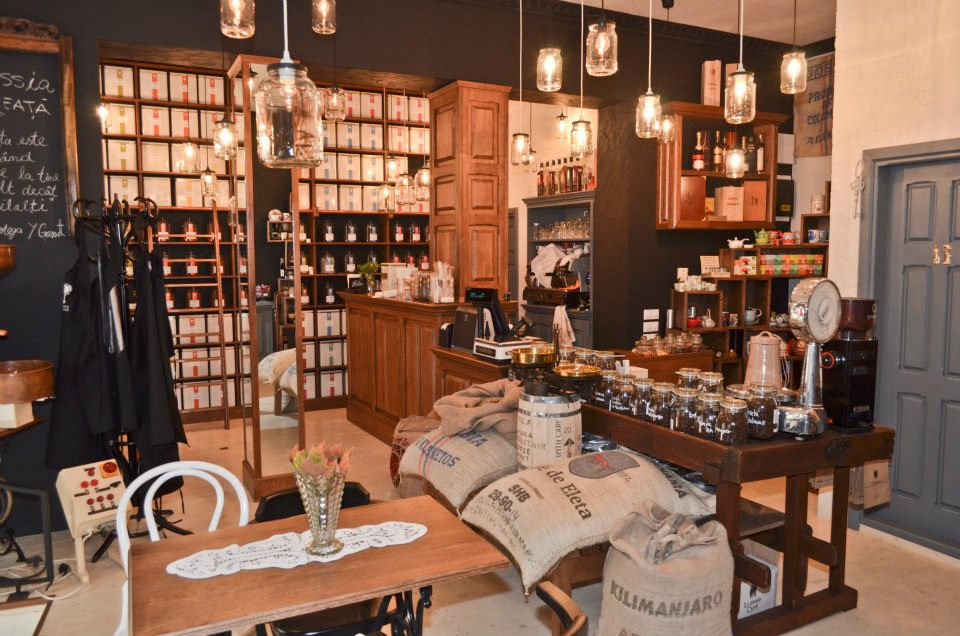
I recently discovered that I sometimes tend to be a picky consumer, and if something quite small bothers me with a service, a company, or a place, I rarely return. I take consumer decisions emotionally most of the time, and probably retail experts would argue that most consumers are like this. But if certain conditions are met, I will be convinced to return to a place even if everything was not according to my wishes. On a recent visit to a newly opened coffee/tea place in Bucharest, I realized what those conditions are which are likely to make me and probably many others return. The place is called Camera din fata (the Room in the front in a rough translation, the expression used in the countryside for the room of the house kept spick and span for guests). The small place, which probably sits around 20 people maximum, is tucked away behind the boulevard near Romana square, on Mendeleev street. It was opened three weeks ago and it looks fantastic. It has vintage photos on the walls, a wall full of tea cups and lamps made of transparent jars hanging from the ceiling. I was charmed. But they had no available seats...It could have easily been a "sorry but we have no tables free, please come back another time" situation, in which case we would have never come back. But Paul, the owner himself, came and first asked us how long we planned to stay, as he had a free table that was only reserved for later on. We were not planning to stay very long so it was acceptable and we took it. Lesson 1: the owner talks to customers. Paul Licsor, one of the four owners, helped us and made an exception so that we can still stay at his place (and spend some money there, plus maybe spread the good word about it). It made a great difference, and even though he did not say he was the owner, we could sense he was. Paul seems to always be there, and I heard people saying he is so involved that he makes and sells a sorbet based on his grandmother's recipe. This kind of service is hard to replicate and mimic, so the four owners plan to open only three other locations, and not risk turning into an impersonal chain. Then the waitress – who was nice and smiling even though she had to serve almost everyone at the same time, while organizing the place for some people who had reservations – took the time to explain the menus, which were shaped as old fashioned black and white newspapers, which we got to take home (they even insisted on us taking them). Lesson 2 – great service to begin with. Just before we were planning to order, the owner came and apologized, but something had changed and they had to move us to another place, which he already advertised as the best place 'in the house', that everyone loves. There was not a lot of empty space left so we started wondering where he will place us. There was a small space, enough for two people, almost behind their counter. He didn't just seat us there. He told us the story of that counter – a former carpenter's table - where somebody used to work years ago. He then went on to tell us the story of the place, a short story about his partner Mihai Florescu, a famous coffee specialist in Bucharest and the quarrel with another famous Florescu. Bottom line – the owner told us some stories and got us more involved.
Free newsletters
Romania, in your inbox before your first coffee.
Get the Daily — the morning briefing, free, in English, unsubscribe anytime. Want business, real estate or travel digests too? Pick your newsletters →