Last-generation Romanians, passing down the roots to their American children
Dana Costache has been living and working in the US for over a decade. In a new series of articles on Romania-Insider.com, she uncovers the lives and stories of Romanians in the US. It smells like miciin a public park in Ridgewood,…
Romania Insider · Journalist
· Updated · 5 min read
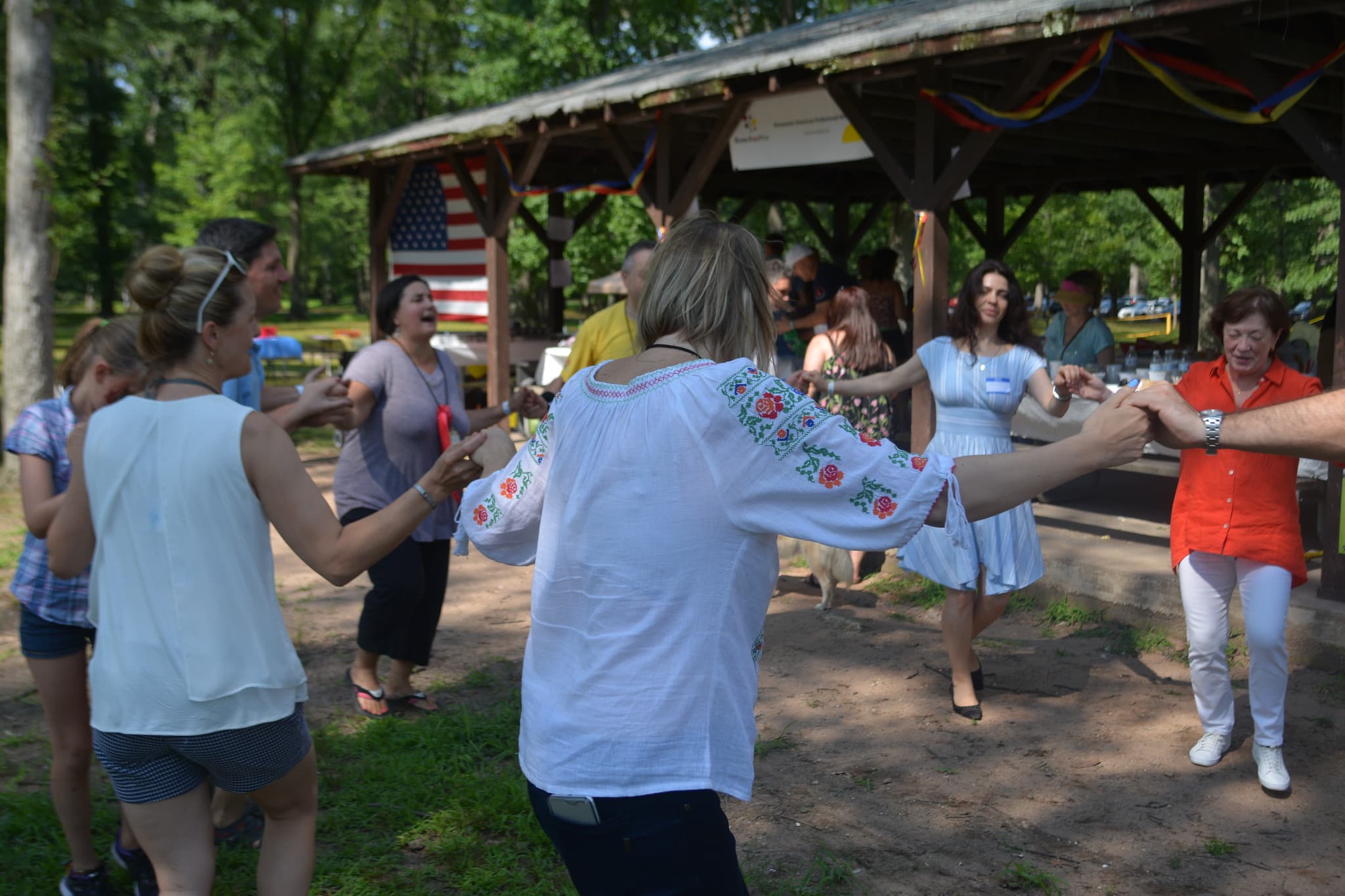
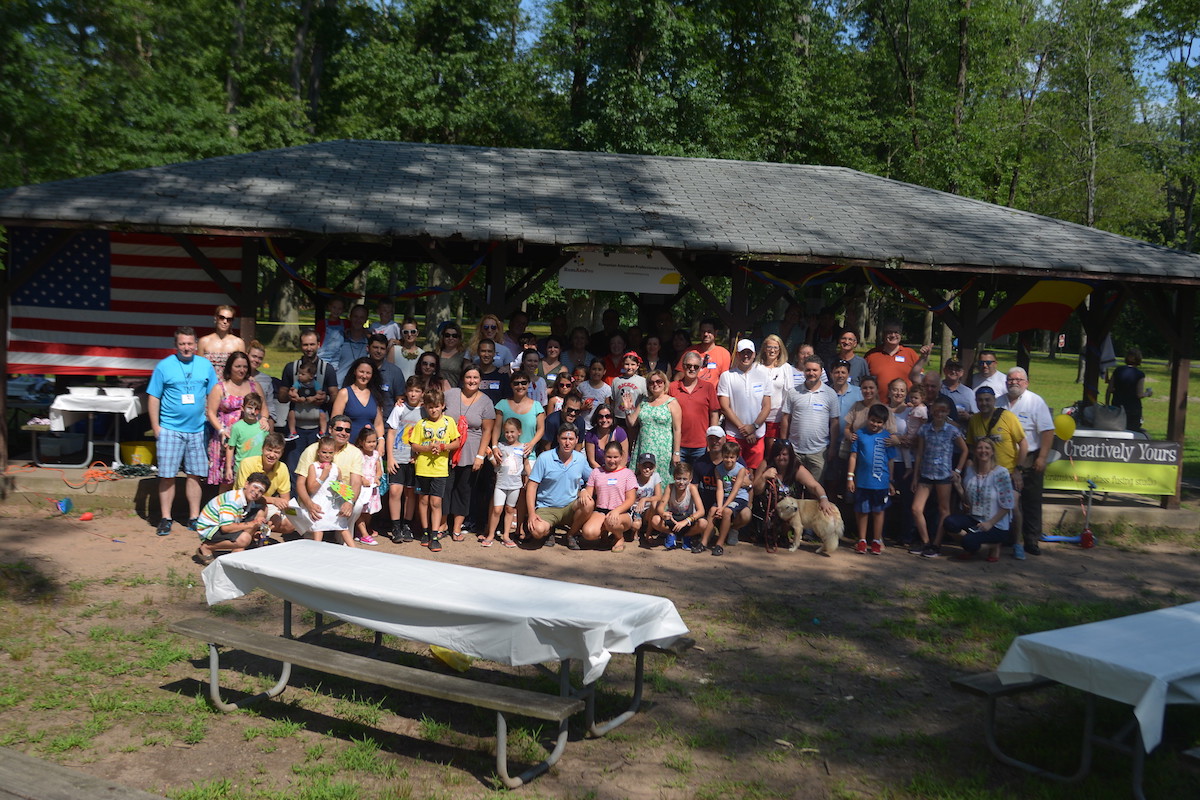
Dana Costache has been living and working in the US for over a decade. In a new series of articles on Romania-Insider.com, she uncovers the lives and stories of Romanians in the US. It smells like mici in a public park in Ridgewood, Northern New Jersey. It's an early August Sunday, at noon. About 100 Romanians from several towns in New Jersey, New York and Connecticut gathered here for a picnic. They are Romanian – American professionals who live and work in the Tri-State Area on the East Coast of the United States. There are at least 30 children of different ages at this first annual picnic of the Romanian American Professionals Network – RomAmPro - community in the US. A couple from New Jersey is managing the two grills, getting ready to serve sausages, mici, and other meats to the people who wanted to taste something traditional, something from “home.” Beer is not allowed in the public park. But there is plenty of bread and mustard. A Romanian restaurant from Lyndhurst, NJ, offered the mici, a delicious biscuit cake, salads and the mashed beans dip (fasole batuta). Kids talk to each other in English. Most of them are born and raised in the United States. At school, they start their days reciting the Pledge of Allegiance. They put their little right hands over their hearts while they do it, and the entire school recites in unison. The nursery lullaby they learned in preschool is “Twinkle, Twinkle, Little Star” and their favorite Christmas songs are Jingle Bells or Rudolph the Red-Nosed Reindeer. The children are running around, coming to the main pavilion from time to time to eat mostly snacks. While parents enjoy the Romanian goodies, they prefer Mac & Cheese, Pizza or Chicken nuggets to the Romanian mici. They are our American children. As I watch them play at this large reunion of Romanian families, I wonder whether our children have strong Romanian roots. And why would it be important that they do? Some families insist their children speak Romanian at home. Most children, though, talk back in English when spoken to in Romanian. Once they go to preschool and then to elementary school, they grow up in the culture of the country they live in. The children of our small Romanian-American community are first-generation Americans. Does that make their parents last-generation Romanians? The community here does not meet that often, and not in such large numbers. Events like this picnic happen maybe twice a year. We are Romanian-American professionals aged 30 to 50, who live and work in the area. Some have been here for 30 years, some for “only” a decade, which is my case, and very few for 5 years or less. Most are Romanian couples; a few are Romanians married to Americans.