Brasov: Medieval heritage and gateway to mountain resorts
Brasov was the capital of the Barsa Land, and is today an upcoming city – undoubtedly you will notice the recently built shopping malls and industrial estates as well as the sites still in development at the outskirts. The city looks back…
Romania Insider · Journalist
· Updated · 7 min read

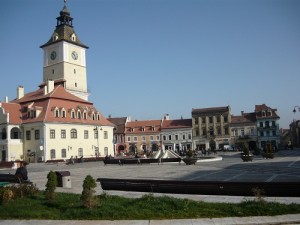
Brasov was the capital of the Barsa Land, and is today an upcoming city – undoubtedly you will notice the recently built shopping malls and industrial estates as well as the sites still in development at the outskirts. The city looks back on 800 years of turbulent history at the point of intersection between Orient and Occident. By Holger Wermke (text) and Anca Gansca (recommendations) Founded by Teutonic knights at the beginning of the 13th century, until the 18th century it was still predominantly inhabited by Transylvanian Saxons – a heritage that gives the city its special German-like distinction. Once through the ring of block districts, you reach the old town that lies framed by steep slopes in a valley. At its end soars the 65 meter high tower of the so called Black Church, which got its name after a devastating fire swept across the town in 1689 leaving it with soot-blackened walls. The largest gothic church in Romania, it was built between 1385 and 1477; after several renovations the interior became mostly baroque. The large collection of Turkish carpets to be seen inside the church gives you an impression how tight the connections between Transylvania and the orient have been. But not so fast. Before we have a closer look at this landmark you should stroll around the lively old town’s streets. Walking up the pedestrian precinct Republic Boulevard (B-ul Republicii) you will find shop after shop, and numerous cafés and restaurants, usually with plenty of inhabitants and tourists – the enjoyable atmosphere is not least a result of ongoing restorations within the historic centre – in summertime these places are suitable to take a rest, sitting at a table in the middle of the street, watching the crowd. If you walk further you will get to the fan-shaped Town Hall Square (Piaţa Sfatului), a wide space with the Town Hall in its middle, lined with red-roofed merchant houses. The building dates from 1420 and for centuries hosted the Saxon town council.