A German engineer does his big training for life in a small Romanian town
When Stephan Rambacher came to Romania, in the small town of Lugoj, at the end of the ‘90s, as general manager of wood company Werzalit, he thought he knew something about life. People shouldn’t be a problem, he thought. After all, he had…
Diana Mesesan · Journalist
· Updated · 5 min read

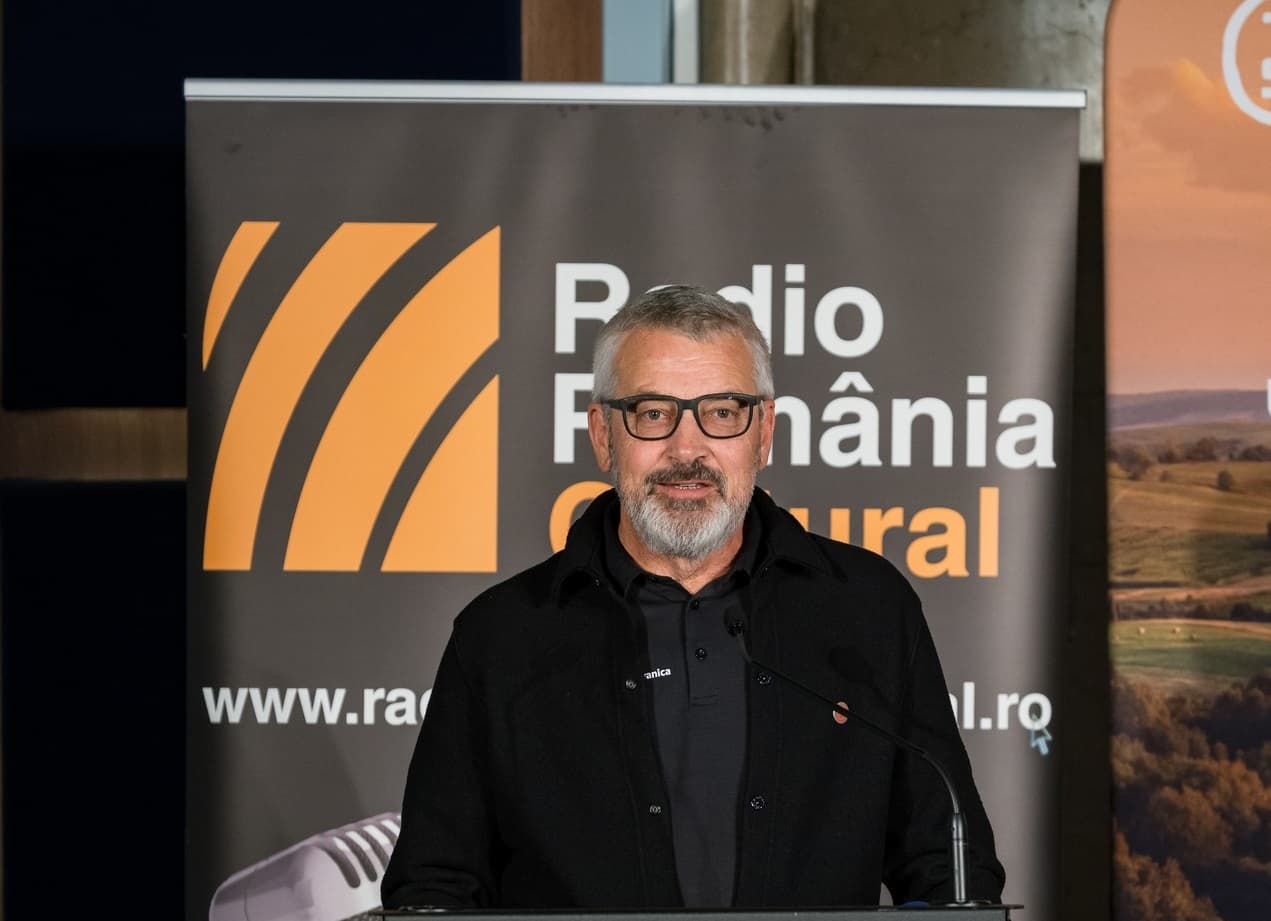
When Stephan Rambacher came to Romania, in the small town of Lugoj, at the end of the ‘90s, as general manager of wood company Werzalit, he thought he knew something about life. People shouldn’t be a problem, he thought. After all, he had worked for six years in South-Africa in the ‘80s during the apartheid era. Such an experience helps you understand at least something about how this world works. Besides that, he was born in Germany, a country whose recent history hasn’t been without conflicts. So Stephan was quite confident that he could understand people when he moved to Lugoj. Now, almost 20 years later, he says that his big training for life was not his MBA in engineering and not even South Africa, but Lugoj, this peaceful 40,000-people town in Western Romania, where you couldn’t expect many revelations. The small town Stephan Rambacher has arrived first and ordered a cappuccino. Our meeting place is Clubul Taranului, a sunlit little restaurant with a big terrace in the backyard of the Museum of the Romanian Peasant in Bucharest. His office is nearby, in the Victoriei Square. After a 15-year intense experience of Romanian small town life, Stephan decided it was time for a change. He was 58, and felt that routine kept narrowing his world. He quit his job in Lugoj and started anew in Bucharest as a business consultant. He is now a partner with Stein & Partner consulting company. He searches and evaluates top and middle management positions, and offers organizational coaching to local investment projects. “I’ve had three different lives,” Stephan starts his story. “One as a general manager for 30 years, one as a consultant and one as a photographer.” He is tall, has big hands and speaks calmly and slowly. Stephan was born in Franconia, a small region in Germany, in 1956. “Quite a while ago,” he laughs. Growing up in a time of peace, when the economy started recovering, Stephan is one of the baby boomers. He feels lucky: he could enjoy many privileges that weren’t available to other generations. His generation also lived in the shadow of ‘68, when the German student movement protested against the authoritarianism and hypocrisy of the German government. Progressive people, travel facilities, a growing economy- Stephan feels like he was dealt good cards. He studied at a good university in Germany, had two traineeships in Israel and South Africa, then started working as a production manager for a big furniture producer in South Africa. Nevertheless, he had behind the experience of his father, who fought the Second World War, and a certain shame, which was part of his generation - accepting that their parents weren’t on the good side of history. Moving to Romania confronted him with people who were dealt very different cards. He thought he knew the rules of game, but he was wrong. The backpack “Every person carries a backpack throughout their life,” says Stephan. You don’t know what’s inside. It can be rocks or it can be something light.” Rambacher had in his backpack his parents’ Second World War and the experiences of his grandparents. The people he met in Lugoj had very different loads in their rucksacks: years of communism, the uncertainty of the transition. They weren’t easy to understand, because they had a different code. So Stephan had to listen and learn. One important part was learning the language. English was good for communication, but not for getting to know what’s inside the rucksack. He took over as general manager of the Lugoj subsidiary of the German wooden product manufacturer Werzalit. Stephan has worked all his life in the wood industry, and his heart is still there, despite the scandals that have recently affected Romania’s wood industry. Big wood processors have been accused of illegal logging in the last years. Wood is a great material in terms of sustainability, says Rambacher. You can regrow it, and as long as you plant more than you cut you can ensure the industry’s long term survival. The company he worked for has invested millions of euros in the country, he says, and in this situation, you want to make sure that raw materials are available. It’s only a few wood processors that don’t follow this path, he adds. A town with 40,000 people might not be a heaven for expats, but Rambacher didn’t mind it. He declares himself a big fan of provincial life. In a small town, life is much more intense than in big cities. You are always seen, people know you, and you can’t hide behind a mask or status. “You are yourself. You either find a place or you don’t.” All his friends are Lugojeni (the Romanian word for the inhabitants of Lugoj) and the town feels like his home.