Romanian film review – One World Romania 2022
Between 13 and 22 May (and online until 31 May), the International Human Rights and Documentary Festival returned with a new artistic director, young filmmaker Monica Stan (Immaculate), who took over from duo Andrei Rus and Vanina Vignal.…
Ioana Moldovan · Journalist
· Updated · 4 min read
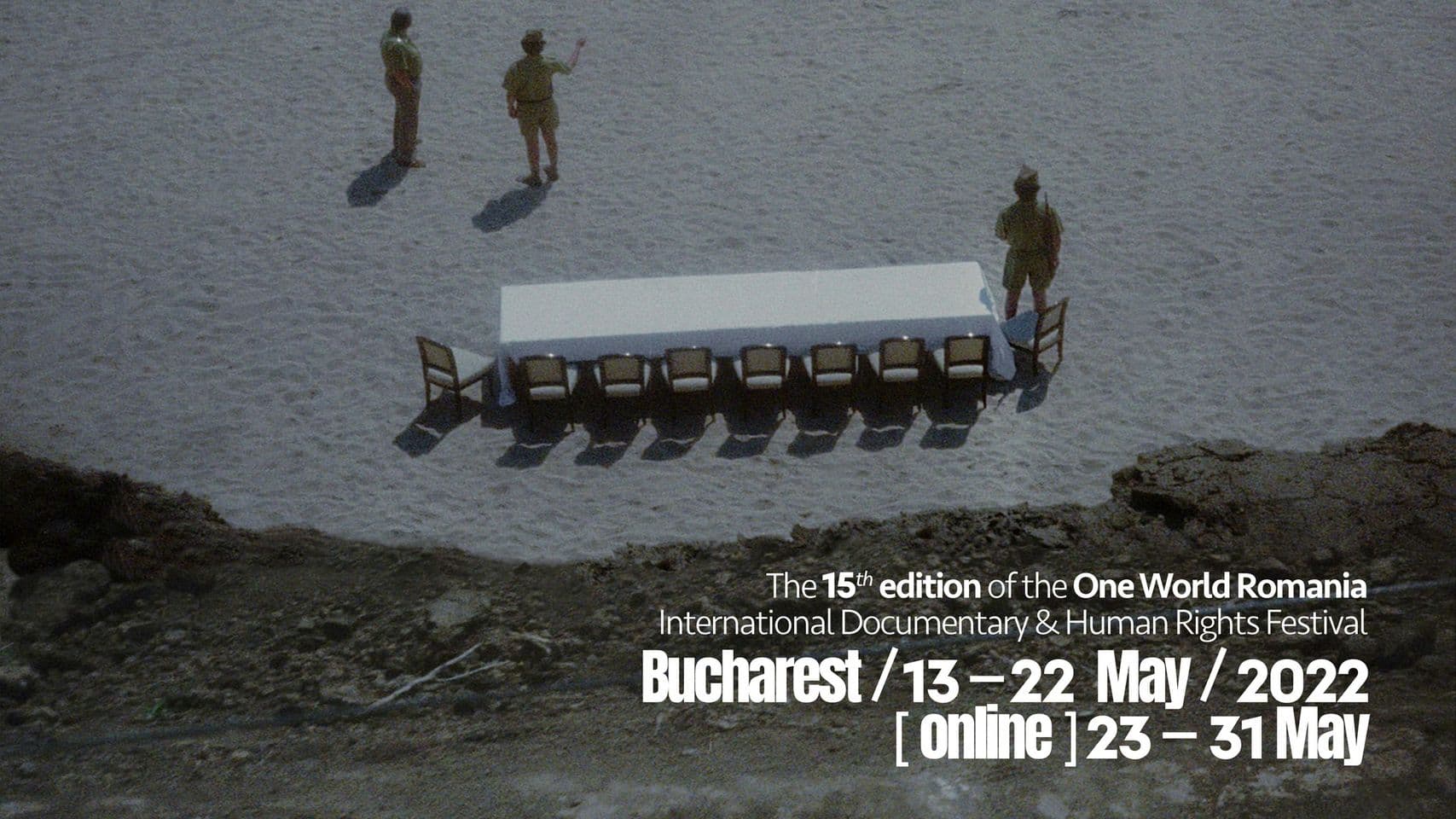
Between 13 and 22 May (and online until 31 May), the International Human Rights and Documentary Festival returned with a new artistic director, young filmmaker Monica Stan (Immaculate), who took over from duo Andrei Rus and Vanina Vignal. Stan and her team remained faithful to the festival’s unflinching focus on political and social themes and were on point, charming, approachable, both on stage and during the Q&As. The structure is more or less the classical one, with an International Competition and non-competitive sections, adding very contemporary new ones such as “Body and Soul”, on mental and physical health (accompanied by events and classes on yoga, art or nutrition, definitely something for new groups of audiences, and more mainstream). The section titles were generally more on the poetic side this year, homages to other works and films, with the risk of being a bit too cryptic on the exact theme (“The Garden of all Flowers”, “The Bruised Body of the Planet”, “Arthropod Shorts”). The popular and always revelatory archive programme Sahia Vintage was missing this year, I hope only exceptionally.
The opening film, A.I. at War, was a logical choice for a festival taking part not far from the raging war in Ukraine. Filmmaker Florent Marcie borrows a small robot that he takes along in war-torn countries (Syria and Iraq) and conflict-heavy Paris (the Yellow Vests revolt), and the exchanges between a robot with its limits and quickness to learn in the face of crisis and humans (especially Marcie) is at the core of the film. The premise is great, but the film often gets lost, and indulges more than once in the depicted misery; this could have been more profound and less self-centred. But choosing it as an opener makes sense for its approachability, endearing subjects, doses of humour, and its topicality (not only in terms of war but of a future marked by artificial intelligence).
My personal pick for an opening film would have been The Balcony Movie by veteran Polish director Paweł Łoziński, a true charmer of an experiment: from his balcony in Warsaw, Łoziński stops passer-bies on the alley below and asks them about life. Some are happy to talk, some are more restrained, many return (not just because their daily chores lead them to use that street). A wonderfully simple setup with a ton-full of snippets of wisdom about love, marriage, and one's purpose,
Free newsletters
Romania, in your inbox before your first coffee.
Get the Daily — the morning briefing, free, in English, unsubscribe anytime. Want business, real estate or travel digests too? Pick your newsletters →