Romanian film review – Berlinale preview: Puiu, Jude, Ostrochovský
The year’s first major international film event, the Berlin International film festival, started yesterday, and Romania is represented by four productions, two of them in a competitive section. Until the festival wraps up, let’s have a…
Ioana Moldovan · Journalist
· Updated · 3 min read
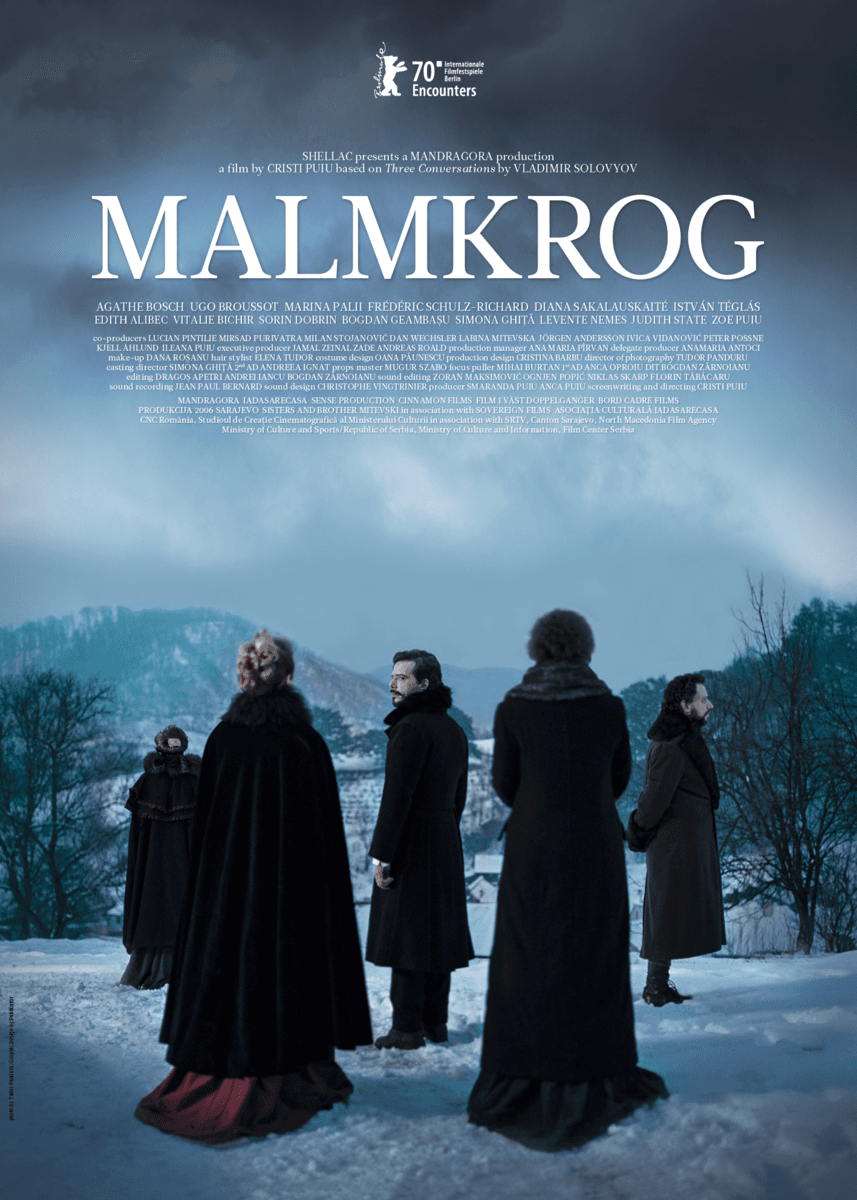
The year’s first major international film event, the Berlin International film festival, started yesterday, and Romania is represented by four productions, two of them in a competitive section. Until the festival wraps up, let’s have a look at these directors’ previous efforts. As one of the names associated with the Romanian New Wave, Cristi Puiu needs no introduction. A multi-awarded, highly influential filmmaker, he returns to the Berlinale after 16 years, and it’s with a bang. His latest, a lavish adaptation of a novel by Russian philosopher Vladimir Solovyov set in a country house in Transylvania, Malmkrog, opens the new competitive section Encounters. Puiu is primarily known for the film that is associated with the birth of the so-called New Wave, Moartea domnului Lăzărescu/The Death of Mr Lăzărescu (2005), a pitch-perfect black comedy about a man being carried around between hospitals, a much-to-faithful picture of Romania’s medical system and general lack of empathy. Aurora (2010) is a much more cerebral film, more demanding, and more self-aware (some might also call it pretentious) but admirable in its complete disdain for audience expectations and its willigness to focus on a character and watch him act, very slowly, and with no comment or judgement. His latest film, Sieranevada (2016), is a return to a more comedic form, a terrific technical tour de force in a crammed apartment in Bucharest hosting a family reunion that goes awfully (and very funnily) wrong. You can find all these films at Amazon, or Cărturești, or any other larger store that holds DVDs and Blue-rays.
Younger Radu Jude has no less than two films (Ieşirea trenurilor din gară/The Exit of the Trains and Tipografic majuscul/Uppercase Print
Free newsletters
Romania, in your inbox before your first coffee.
Get the Daily — the morning briefing, free, in English, unsubscribe anytime. Want business, real estate or travel digests too? Pick your newsletters →