US counselor's Don Quixote fight with addiction in Romania
The ringing sound of an incoming Skype call breaks the silence. On the other side of the line is Floyd Frantz, an American-born professional addictions counselor, who has been developing alcoholism treatment programs in Cluj-Napoca in…
Diana Mesesan · Journalist
· Updated · 7 min read
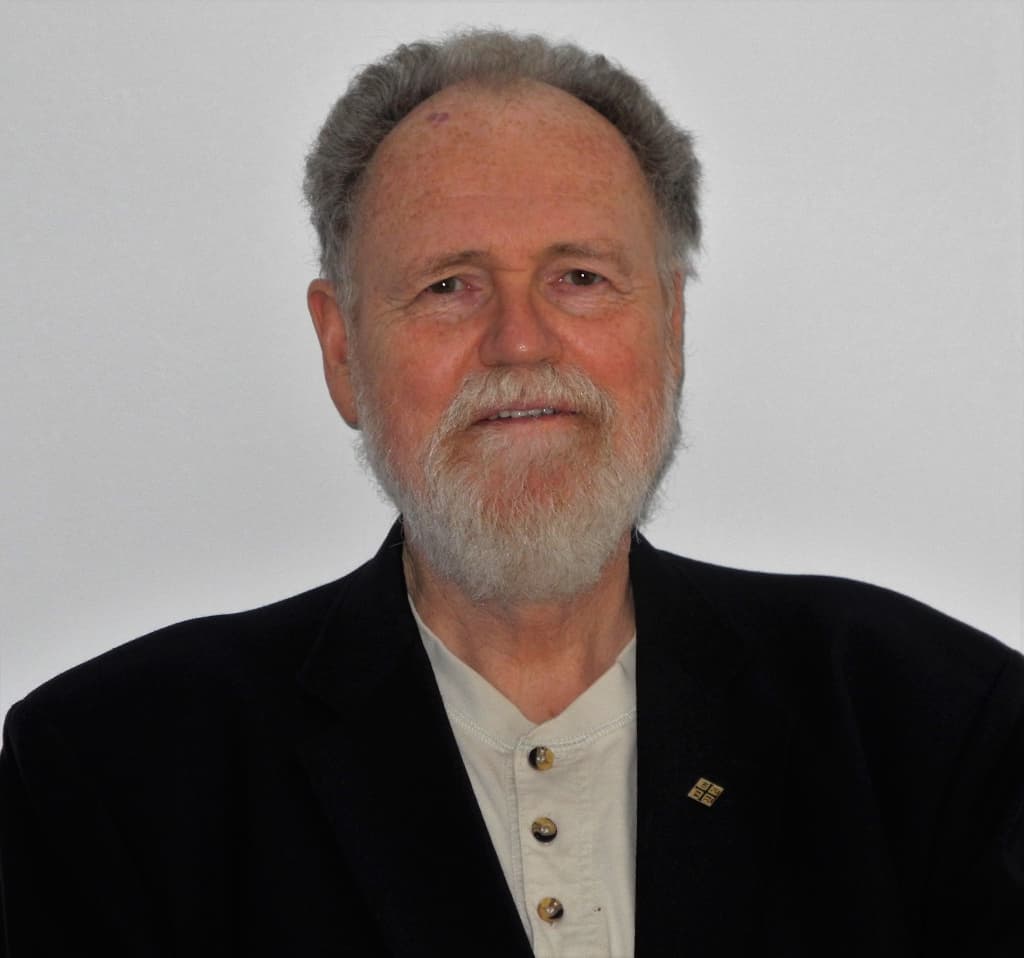
The ringing sound of an incoming Skype call breaks the silence. On the other side of the line is Floyd Frantz, an American-born professional addictions counselor, who has been developing alcoholism treatment programs in Cluj-Napoca in Central Romania since 2010.
It’s Friday morning, June 24th, and the results of the UK referendum results have just been announced. “I guess we’ll be doing the interview on a historical day,” I tell Floyd. The Kansas-born man, now in his late 60s, laughs. “The Brits are pretty strong people. They will get through,” he replies. “And sometimes these kind of situations may seem difficult at first, but after a while things will be better, although different.” It’s not just life experience that helps Floyd remain optimistic, the wisdom that comes with age. Floyd himself had been through the worst, and has discovered that the greatest strength comes from reaching the lowest, and learning to deal with it. He has been in recovery from alcoholism for over 30 years, and hasn’t had a drink since 1982. His decades-long work as an addictions counselor in the US, and then in Romania, has aimed at fighting the idea that addiction is a cul-de-sac, a dead-end street. During his first trips in Romania at the beginning of the 2000s, as an Orthodox Church missionary, he discovered that there were no treatment programs for alcoholism, and generally alcoholics were looked on as being a lost cause. As a response to this, in November of 2000, he began the St. Dimitrie Program in Cluj-Napoca, in north-west Romania, with the help of the Orthodox Church in Romania. The program has a day-center and an outpatient counseling program. It delivers education concerning addictions and how to make interventions. Also, it provides the space for an AA group to meet six times a week, although the St. Dimitrie program is not affiliated to Alcoholics Anonymous.