Works of Romanian artists to discover or revisit this National Day
The National Day can be an opportunity to take in some of the best-known works of Romanian-born artists. From sculpture and painting to music, we highlight below some suggestions for an art dose this December 1st.
Andrei Chirileasa · Journalist
· Updated · 3 min read
The National Day can be an opportunity to take in some of the best-known works of Romanian-born artists. From sculpture and painting to music, we highlight below some suggestions for an art dose this December 1st.
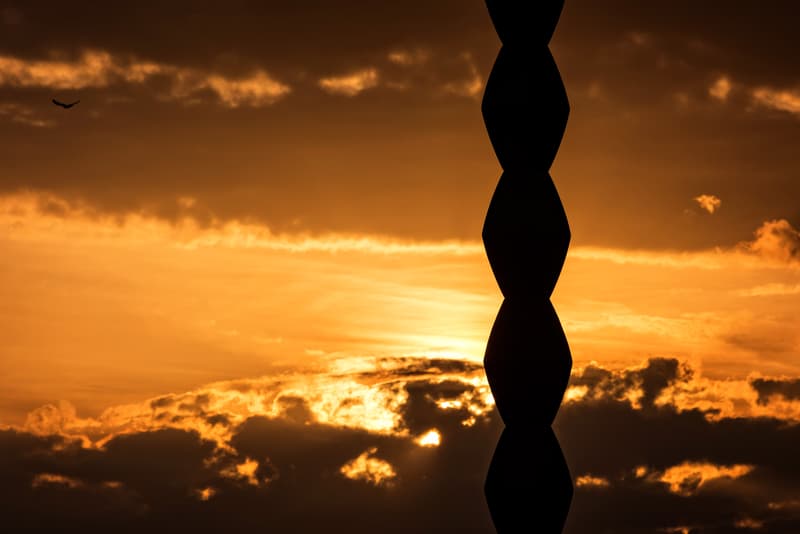
The Endless Column
The iconic work of Constantin Brâncuși (in opening photo) is part of the Calea Eroilor (Heroes' Path) ensemble, inaugurated in 1938 in Târgu Jiu. The ensemble also includes the Gate of the Kiss, the Table of Silence, and the Alley of the Chairs. The Romanian-born sculptor worked on it after he was asked in 1934 to design a monument to honor the memory of the Romanians who died near the Jiu river during World War I. The site was not very well maintained before 1989. In 1996 the Endless Column was placed on the World Monuments Watch List of 100 Most Endangered Sites to point to the poor conservation state of the ensemble. Restorations of the Endless Column and the stone sculptures on site were carried out between 2000 and 2004.
Bird in Space
In this series of sculptures, Brâncuși focused on the movement of the bird instead of its physical attributes. The first one was created in 1923, and more than 14 others followed in several mediums over the years. In 2005, a version sold for USD 27.5m (£14.4m) at a Christie's auction in New York, a record price for a sculpture at the time.
Sleeping Muse
Another of Brâncuși's iconic works, the sculpture Sleeping Muse was created in 1910. After carving a marble original, the artist cast several bronze sculptures, now found in museums around the world, including the Metropolitan Museum of Art or the Art Institute of Chicago. In 2017, a 1913 bronze cast of the work sold for USD 57.36 million at a Christie's auction in New York.
Revolutionary Romania
One of the most easily recognizable local paintings, the work of artist Constantin Daniel Rosenthal is an allegorical representation of the moment of the 1848 revolution, when the social and national ideals of the 19th century made their presence felt in the Romanian provinces as well. His model was Maria Rosetti, born Grant, the wife of C. A. Rosetti, one of the leaders of the revolution. She turned into a symbol of the Wallachian revolutionary movement because of the important part she played in helping release the local revolutionaries held prisoners by the Ottomans. She is depicted wearing a traditional local dress and carrying the Romanian flag in one hand.
Free newsletters
Romania, in your inbox before your first coffee.
Get the Daily — the morning briefing, free, in English, unsubscribe anytime. Want business, real estate or travel digests too? Pick your newsletters →