Ten traditional desserts to try in Romania
Some of the most popular desserts served locally have developed under various regional and international influences, borrowing and adapting from many other cuisines. Many come with few ingredients to add to the mix, but deliver a yummy…
RI Newsroom · Journalist
· Updated · 4 min read
Some of the most popular desserts served locally have developed under various regional and international influences, borrowing and adapting from many other cuisines. Many come with few ingredients to add to the mix, but deliver a yummy experience and can satisfy anyone's sweet tooth. Here is a selection of local desserts to try.
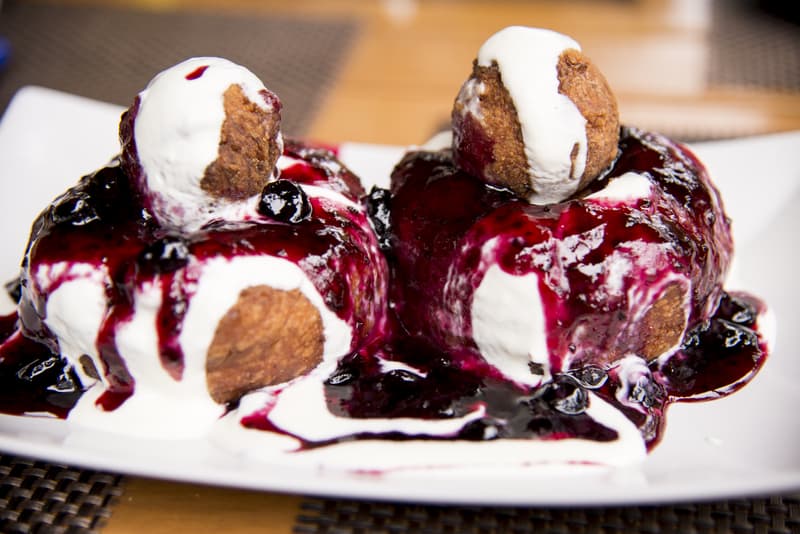
Papanași, a fried pastry filled with cottage or soft cheese and covered with sour cream and jam, is a staple in restaurants serving Romanian food. The name of the dessert (pictured in opening photo) is thought to come from the Latin papa or pappa, describing a dish for children. Its origin is in the Austro-Hungarian Empire, and it has been adopted locally as well. So unwavering is the appeal of the papanași that, post-lockdown, it was one of the most demanded foods at the terraces of Romanian restaurant chain City Grill after the reopening. Likely at other restaurants serving local food as well. You can find a papanași recipe here.
The biscuit salami - salam de biscuiți is another favorite dessert, whose popularity many associate with the food shortages of the communist era. It needs only a few, basic ingredients, it's no-bake and a hit with children. The Portuguese or Italian chocolate salami is believed to have been the source of inspiration for the local dessert, made using biscuits, milk, cocoa, raisins, and Turkish delight. A video recipe with English subtitles is available here.
When it's plum season, it's time for some găluște cu prune – plum dumplings. The dish is often encountered in the Transylvania and Banat regions and has spread to other parts of the country as well. It is similar to the dessert that can be encountered across Central and Eastern Europe, from Germany and Austria to Hungary, Poland, or Serbia. The dough is made of potatoes, flour and they are served covered in breadcrumbs mixed with granulated sugar. It is a filling dish, so sometimes it is eaten as a second course instead of dessert. A recipe is available here.
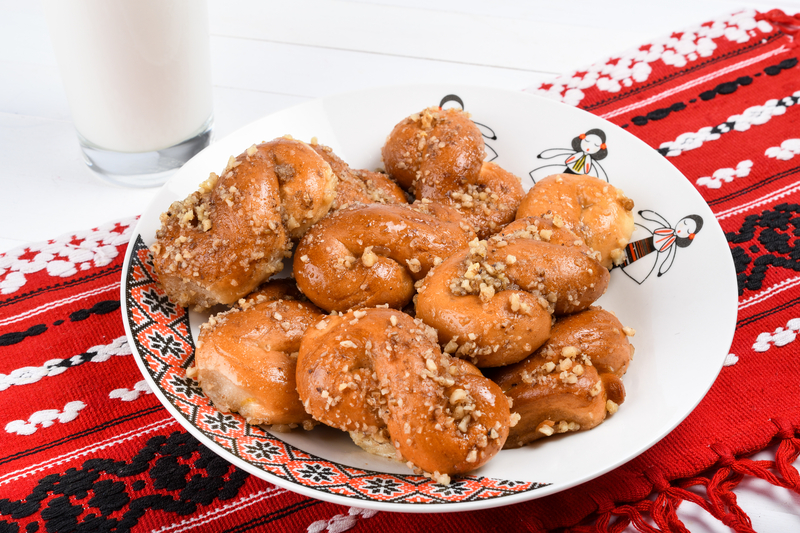
Poale-n brâu, delicious buns filled with sweet cheese, are traditionally made in the eastern region of Moldavia. They are also known as brânzoaice and add to the list of local desserts made with sweet cheese, which includes the papanași or the Easter dessert pască. The name of the dessert, which roughly means "the bottom of the skirt raised to the belly band," refers to the folding technique used when making buns. Vanilla, raisins, and lemon zest are added to the cheese filling, giving this dessert a wonderful aroma. The recipe is available
Free newsletters
Romania, in your inbox before your first coffee.
Get the Daily — the morning briefing, free, in English, unsubscribe anytime. Want business, real estate or travel digests too? Pick your newsletters →