Piscu School: Cultural & educational hub near Bucharest among winners of European Heritage Award 2022
The Piscu School Museum and Workshop, a cultural and educational hub open in the village of Piscu, north of Bucharest, is among this year’s winners of the European Heritage Awards / Europa Nostra Awards in the Education, Training and…
Simona Fodor · Journalist
· Updated · 4 min read

The Piscu School Museum and Workshop, a cultural and educational hub open in the village of Piscu, north of Bucharest, is among this year’s winners of the European Heritage Awards / Europa Nostra Awards in the Education, Training and Skills category.
The Piscu School is among the three projects developed in Romania that were awarded this year, alongside the cultural center House of Religious Freedom in Cluj-Napoca and Sewn Signs, a project that helps pass on the skills and knowledge around the traditional Romanian shirt.
This year, 30 heritage achievements from 18 European countries have been awarded in five categories. These categories are in line with the latest developments and priorities related to heritage policy and practice in Europe.
The winners will be celebrated on September 26 in Prague. The Grand Prix laureates and the Public Choice Award winner, chosen from among this year’s winning projects and entitled to receive EUR 10,000 each, will be announced during the ceremony.
Between August 11 and September 11, heritage supporters can vote online for the Public Choice Award and mobilize support for the winner(s) from their own or another European country.
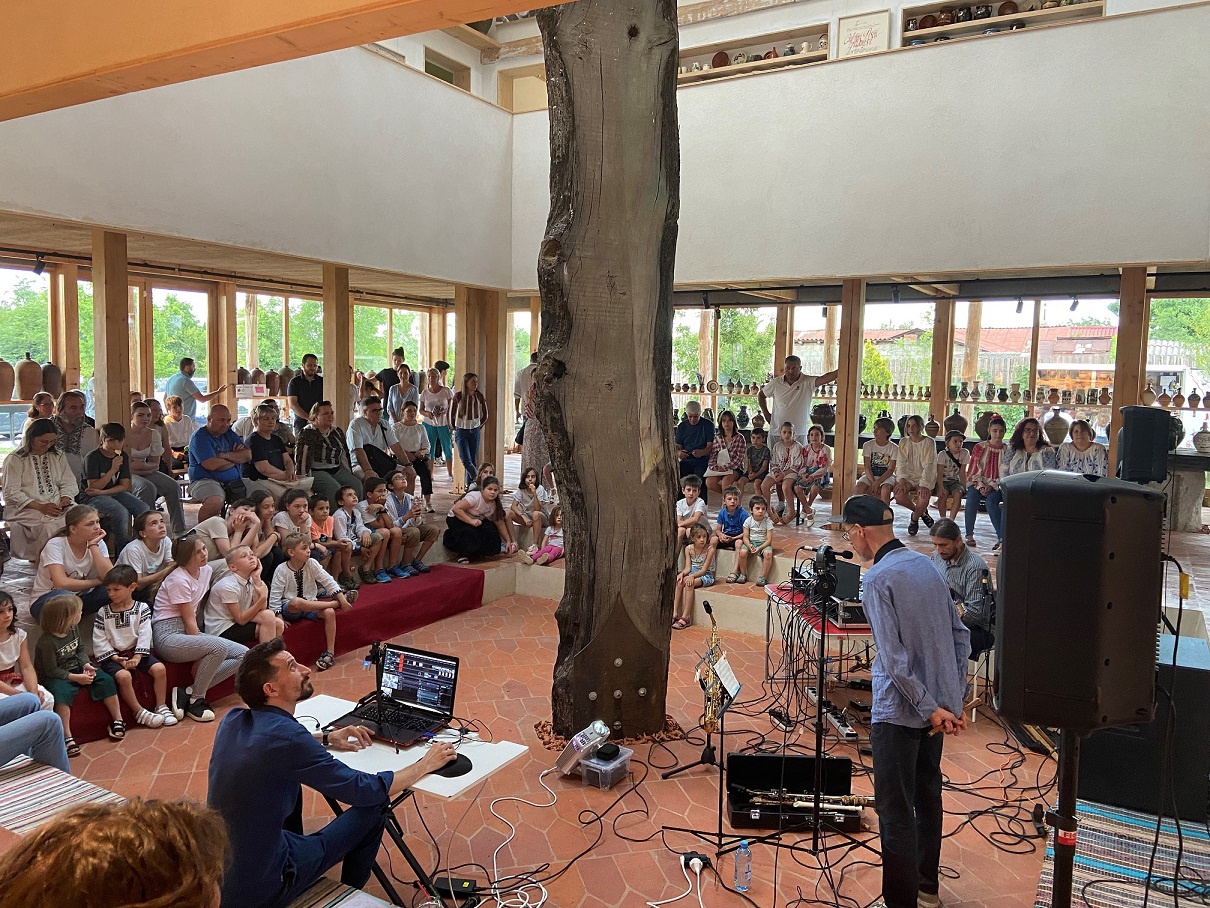
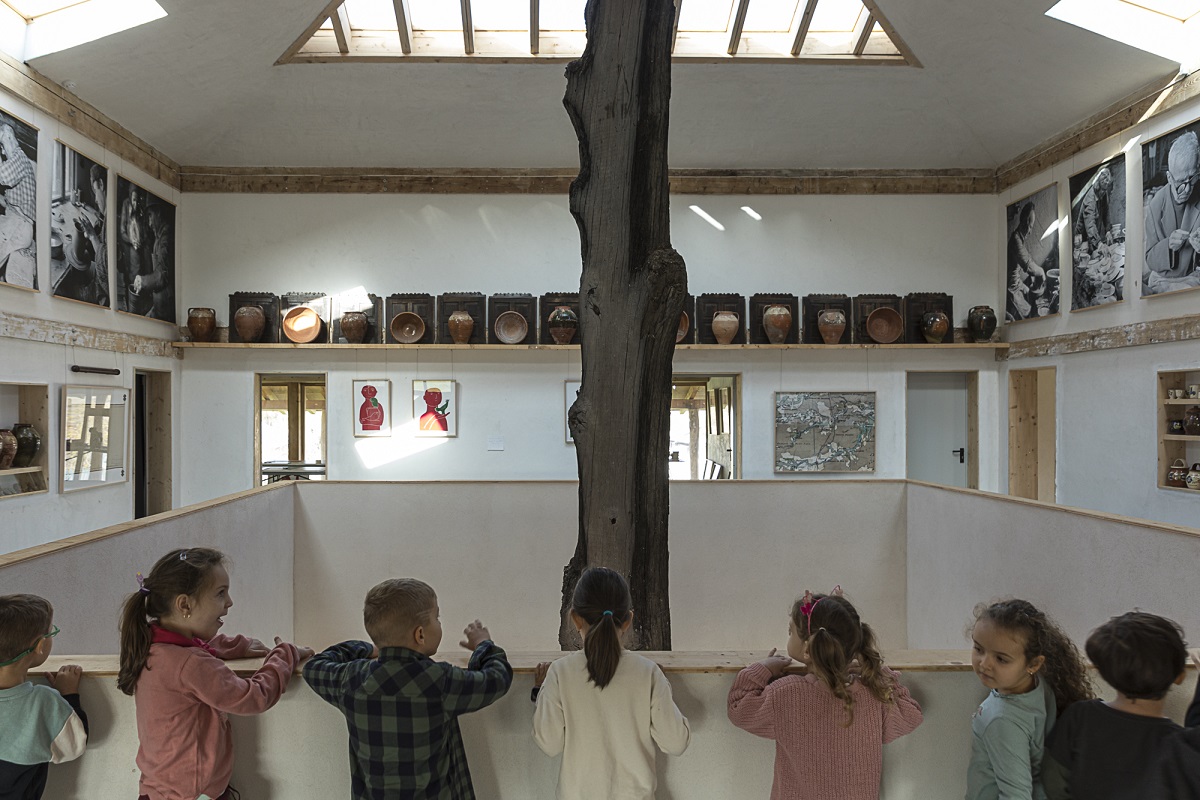
The Piscu School Museum and Workshop, located in a former potters’ village near Bucharest, is a cultural and educational hub established by art historian Adriana Scripcariu and sculptor Virgil Scripcariu. Summer schools, workshops and cultural events are organized here. The costs of setting up and running the Piscu School were mainly covered by small grants from private and state institutions and self-financing. The National Cultural Fund’s Administration has provided funding for the project for a long time.
The project started in 2007 with researching and collecting local ethnographic artefacts, and then sharing the results with the local community, especially with the local children.
In 2016, with support from a group of architecture professors and students, the project of a new cultural venue kicked off. It was designed for exhibitions, welcoming visitors and hosting cultural and educational events. The building was designed by a group of young architects led by Cosmin Pavel and built with help from volunteers.
The museum was inaugurated in February 2021, and it has welcomed so far more than 10,000 visitors. It features exhibitions regarding the memory of the community, heritage artefacts and contemporary art, a multimedia space and several craft workshops.
Free newsletters
Romania, in your inbox before your first coffee.
Get the Daily — the morning briefing, free, in English, unsubscribe anytime. Want business, real estate or travel digests too? Pick your newsletters →