Not a byproduct of the day: Matthias Rauch on why nighttime economy and culture belong in urban planning and the example of Mannheim
Mannheim, the second largest city in Germany’s federal state of Baden-Württemberg, has turned its cultural and creative sectors into drivers of urban development, with music taking center stage. Matthias Rauch, Head of Cluster Creative…
Simona Fodor · Journalist
· Updated · 11 min read
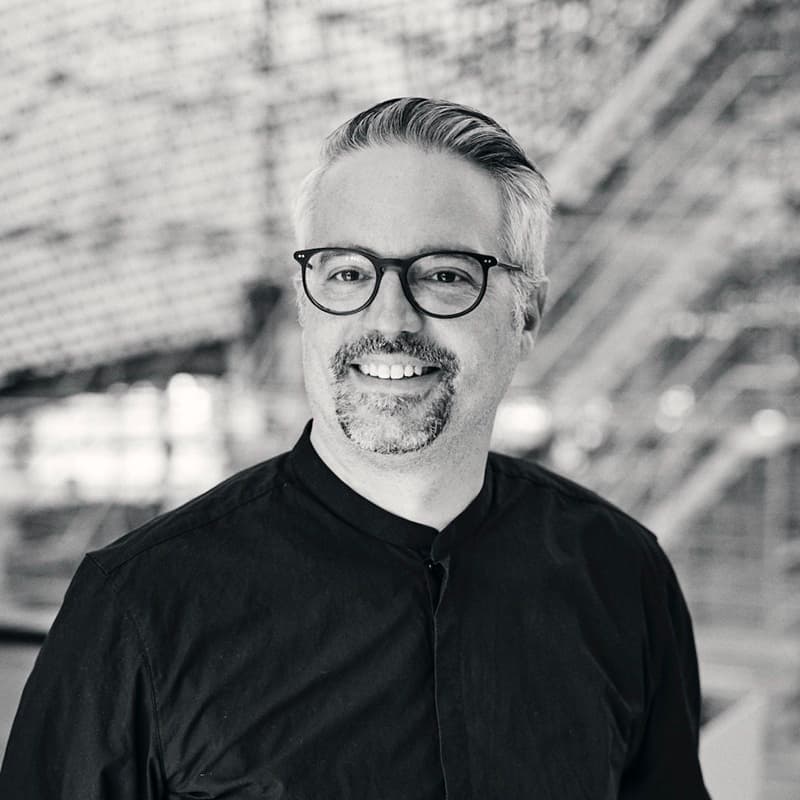
Mannheim, the second largest city in Germany’s federal state of Baden-Württemberg, has turned its cultural and creative sectors into drivers of urban development, with music taking center stage. Matthias Rauch, Head of Cluster Creative Economy at the City of Mannheim, was in Bucharest for the East European Music Conference 2026 and spoke to Romania Insider about the city’s transformation since recognizing the importance of the creative industries, the introduction of Germany’s first Night Mayor position, and why integrating the night economy into urban planning matters.
Mannheim's cultural creative industries are “an economic powerhouse” and, beyond their economic contribution, they serve other vital functions, “whether it's bringing people together, urban development, social cohesion as well as just making a city feel different,” MatthiasRauch explains. The city has also turned its attention to what happens after hours, and, in July 2018, it added a night mayor position, a role that created visibility for the nighttime economy and night culture. From restaurants, bars, clubs, and festivals to theaters, cinemas, and other cultural activities, the nighttime economy generates around EUR 9 billion in revenue annually in Baden-Württemberg and employs more than 220,000 people, the 2025 study NightLÄND found. At the same time, the night mayor position increased awareness of why cities need to think about governing the night. “At night, we seem to approach each other differently than during the day, and the social differences seem not to play as big a role as during the day,” Rauch says. "I think that's something that we have to use as cities and as societies: to use nighttime spaces and the nighttime in general to come together, to celebrate, to discuss, to find new ideas, to find new inspiration. That's why the nighttime economy and night culture are so important." More about this in the interview below.