Romania’s Copșa Mică through the lens of a Norwegian couple who lived there in the 1990s
Norwegians Svanhild Naterstad and Trond Berge got to know the Romanian town of Copșa Mică first hand in the early 1990s. The town in the northern part of Sibiu county, once labeled Europe's most polluted, was their home from 1991 to 1992…
Simona Fodor · Journalist
· Updated · 9 min read
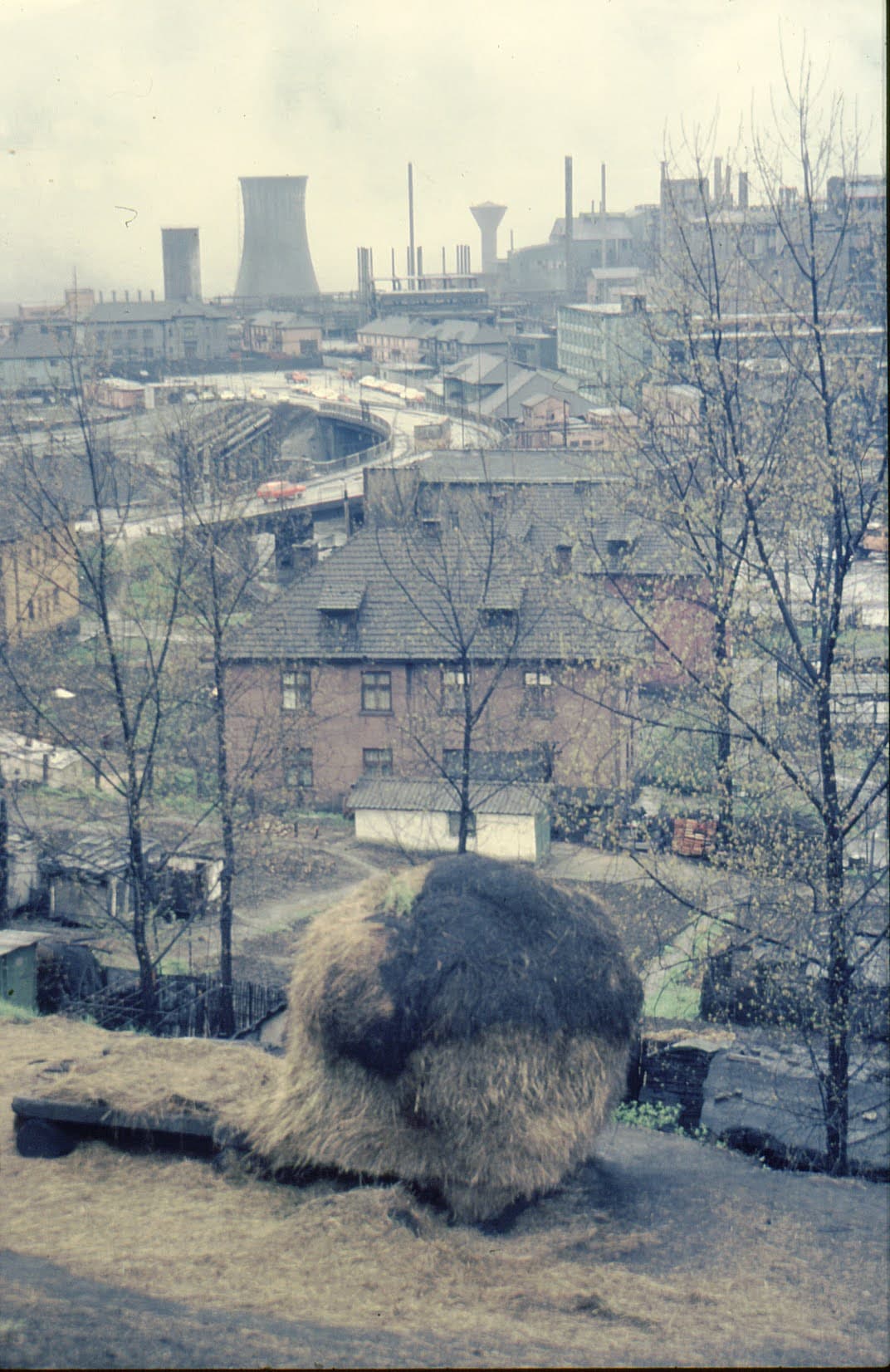
Norwegians Svanhild Naterstad and Trond Berge got to know the Romanian town of Copșa Mică first hand in the early 1990s. The town in the northern part of Sibiu county, once labeled Europe's most polluted, was their home from 1991 to 1992 as Berge was carrying out research work there for his PhD. Photos they took during their stay are now included in an exhibition opening in Copșa Mică. The show, documenting the town's industrial past and its people, is also meant as a token of their affection for the country and the people of Copșa Mică, they explain. More about their experience in Copșa Mică, the upcoming exhibition, and how they have seen the town change since their first stay there below.
For couple Svanhild Naterstad and Trond Berge, Copșa Mică is the place where they got to know each other. They also made friends there and took part in various social occasions, some of which they captured on camera. They had been introduced only shortly before leaving for the Romanian town where Berge wanted to research the impact pollution had on people's lives. Copșa Mică, now home to close to 5,000 residents, had been an industrial town since the 1930s. A carbon black producer and a nonferrous materials smelter formed the core of the town's industry and were the main employers. By the 1990s, the continuous contamination in Copșa Mică became known across the country's borders, attracting the interest of journalists but also of researchers like Berge.