Virtual tours of Romania’s natural wonders
As travel plans need to be put on hold until the authorities issue new guidelines, armchair journeys are taking center stage. We have selected below several videos showcasing some of the most impressive nature sites in the country to serve…
RI Newsroom · Journalist
· Updated · 3 min read
As travel plans need to be put on hold until the authorities issue new guidelines, armchair journeys are taking center stage. We have selected below several videos showcasing some of the most impressive nature sites in the country to serve as distraction for now and inspiration for future travel.
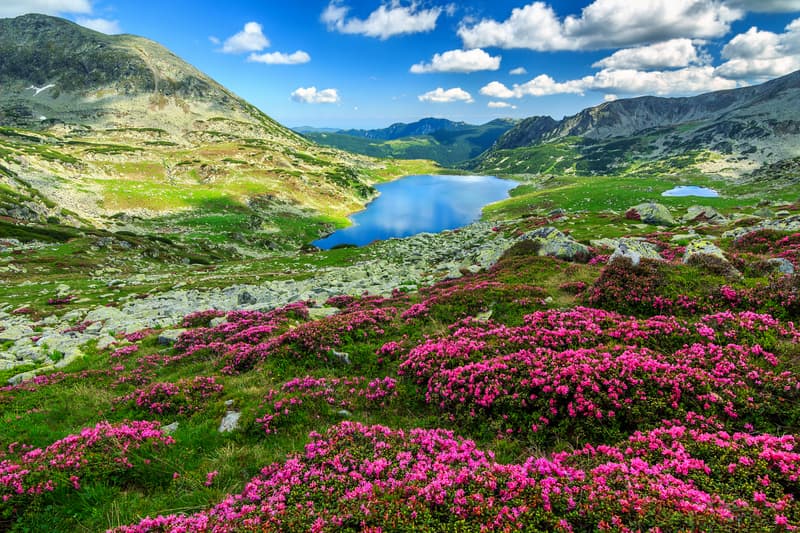
Retezat National Park
This is the first national park established in Romania, in 1935. It has a high number of mountain peaks of over 2,000 meters and is home to the largest glacial lake in Romania, Bucura. The area shelters an old-growth forest and a flora of over 1000 plant species. Wolves, brown bear, wild boar, Eurasian lynx, European wildcat, chamois, roe deer and red deer, as well as small carnivore species such as Eurasian badger and Eurasian otter can be found in the park.
Pâclele Mari Mud Volcanoes
Pâclele Mari is one of the main mud volcanoes sites in the Land of Buzău (Ținutul Buzăului), in southeastern Romania. The mud volcanoes are volcano-shaped structures created by the eruption of mud and natural gases, from almost 3 km deep. The gases that erupt get mixed with water, salt or clay and end up creating a lunar-like landscape, where vegetation is scarce. This video was produced by Ținutul Buzăului Association, which works to promote the area according to principles such as sustainable development, civic involvement, education, and environment protection.
Mânzălești Hills
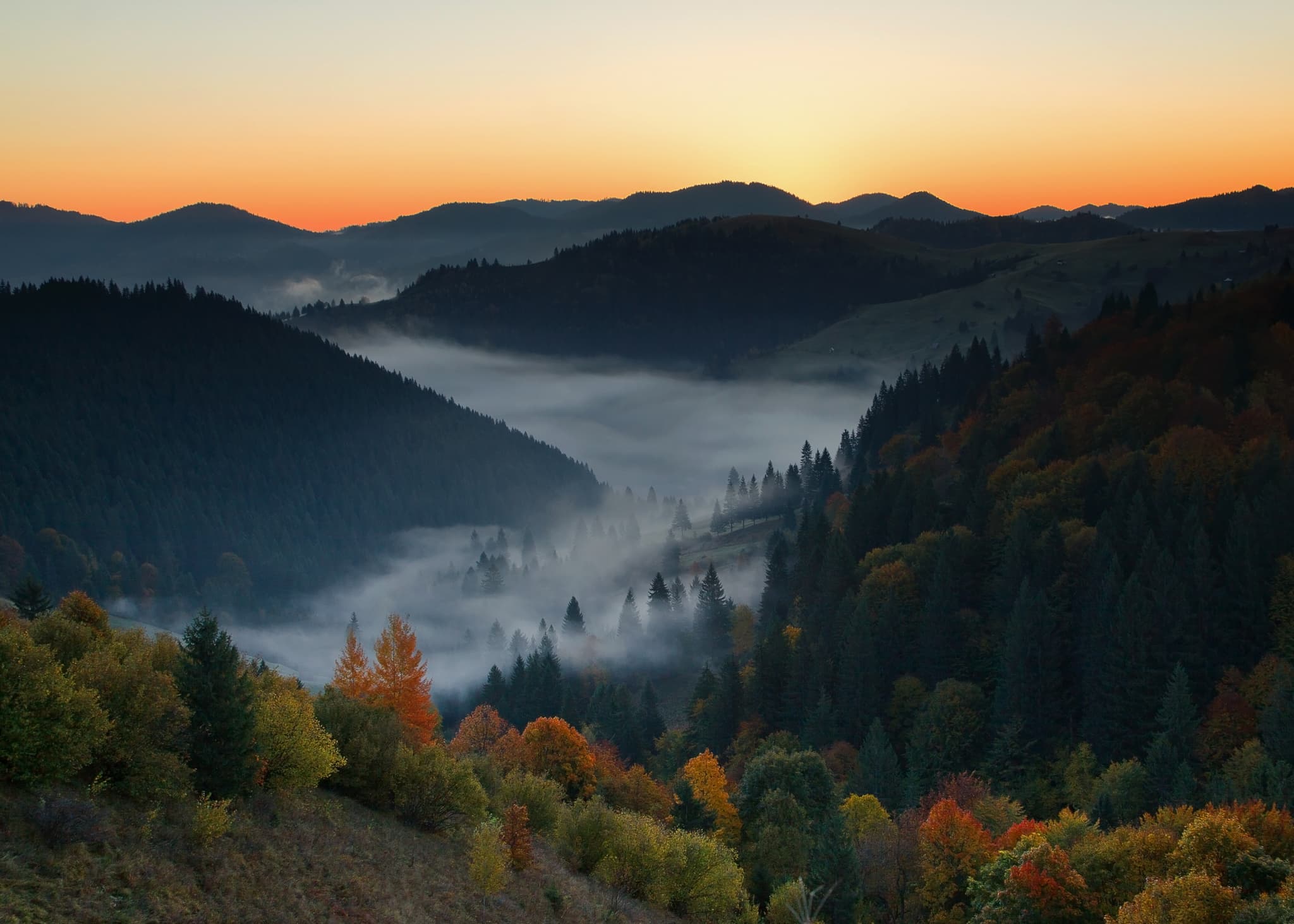
The picturesque hills of Mânzălești, a commune in the northern part of Buzău county, invite travelers to pause and take in their beauty. This video, also a production of Ținutul Buzăului Association, shows a fall sunset over the vast, unaltered beauty of the landscape.
Buzău Salt Mountains
The Meledic plateau, in the commune of Mânzălești, is a nature reserve, where salt is a predominant element. Right at the very entrance to the commune there is a ten-meter tall white spur of volcanic rock and chalk. Not very far away is the Meledic lake, one of the six found in the reserve, which the locals call a “bottomless” one. About one km away from Meledic, another interesting formation awaits visitors: the S6 Mânzăleşti salt cave. The 1,257-meter long cave was named, in 1980, the longest cave inside a salt formation. However, in 1983, the 3,100-meter Malham cave in Israel, close to the Dead Sea, became the holder of the record. The video, the work of Ținutul Buzăului Association and Digi World, presents the history of the site and how the salt mountains were formed.
Iron Gates Nature Park
Free newsletters
Romania, in your inbox before your first coffee.
Get the Daily — the morning briefing, free, in English, unsubscribe anytime. Want business, real estate or travel digests too? Pick your newsletters →