Spots to enjoy spring nature in Bucharest and in the country
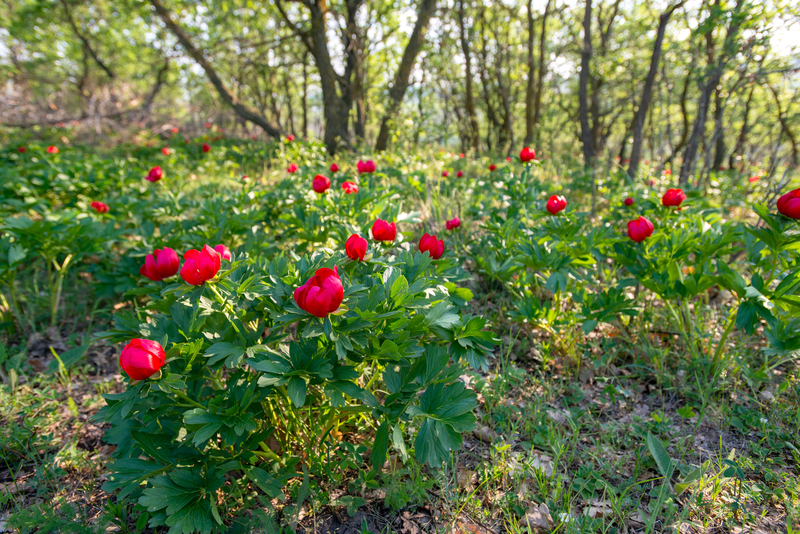
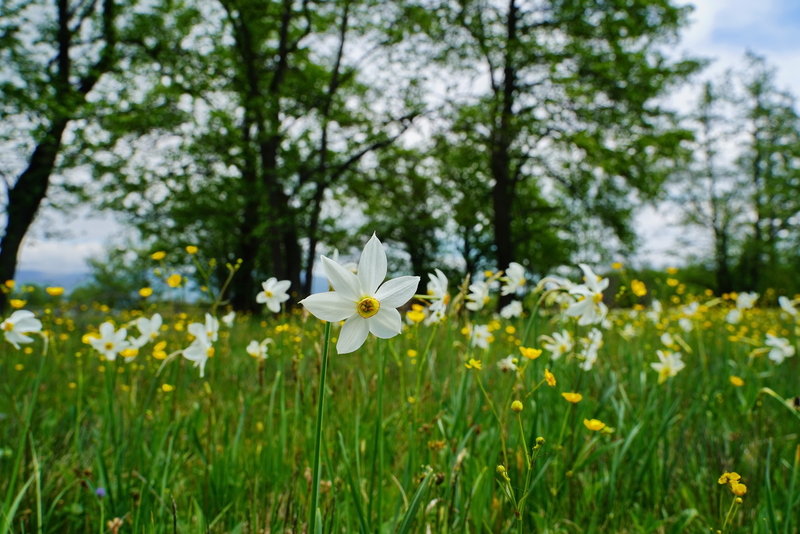
Daffodils, peonies, and magnolia trees in bloom are part of the show nature puts on every spring. We outline below some suggestions for places to enjoy spring nature in and outside of the city.
Simona Fodor · Journalist
· Updated · 4 min read
Daffodils, peonies, and magnolia trees in bloom are part of the show nature puts on every spring. We outline below some suggestions for places to enjoy spring nature in and outside of the city.
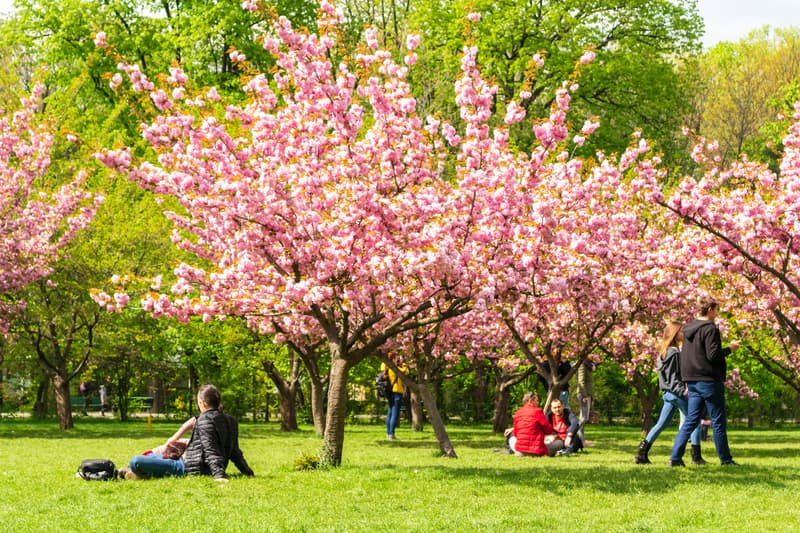
The second largest park in Bucharest after Văcărești Nature Park, Regele Mihai I Park (former Herăstrău) is a favorite destination year-round but come spring it has one spot to admire the delicate display of the cherry blossoms. The Japanese Garden is where Hanami, the Japanese custom of enjoying the transient beauty of flowers, is celebrated. The garden was set up more than two decades ago and refurbished a few years ago with the support of the Embassy of Japan, which organizes here every year the Hanami event.
Also in the park, the four Expoflora pavilions hosting exotic flowers are set to reopen this May after undergoing refurbishment. The public will be able to see here a collection of plants from areas such as the Mediterranean, Indochina, or the Caribbean, Bucharest Mayor Nicușor Dan announced.
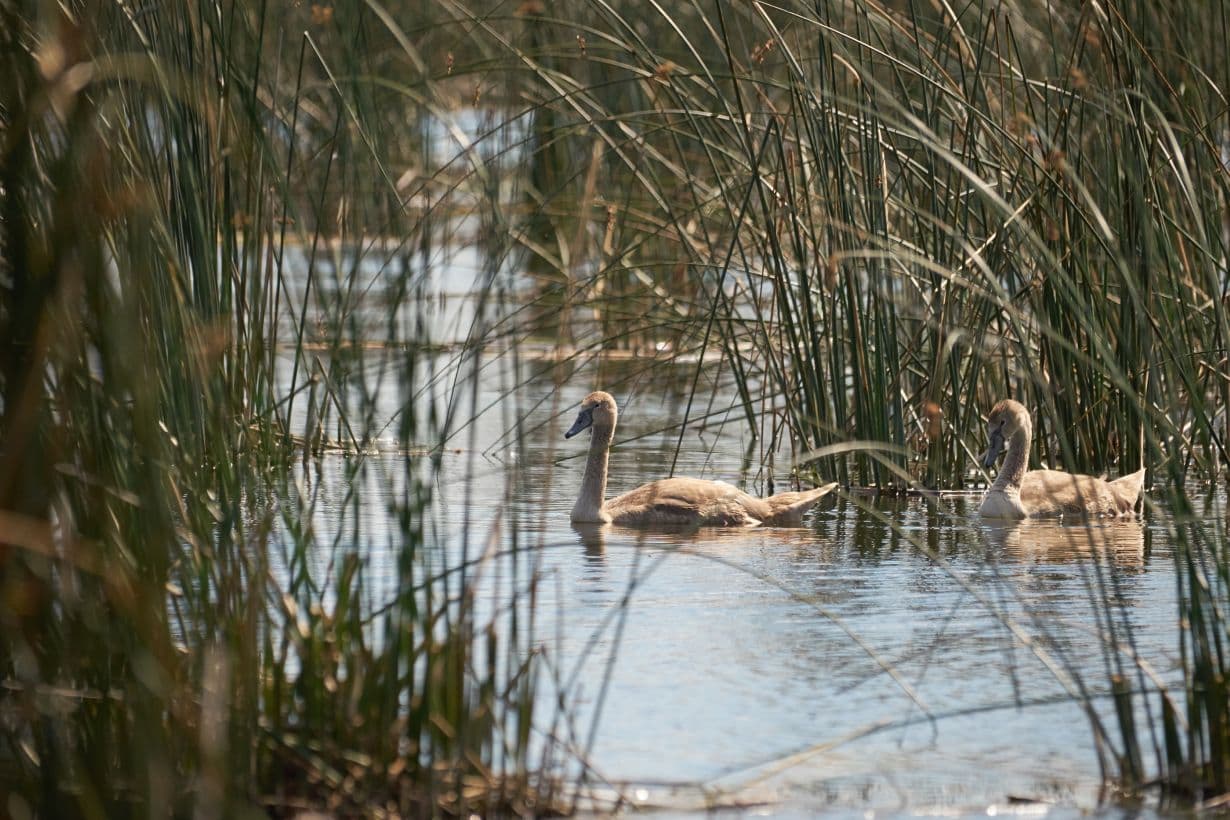
A complex ecosystem close to the Petricani Road, the Petricani Meadow is one of the five natural areas of Bucharest that the Văcăreşti Nature Park Association is working to endow with a protected status. The meadow, covering some 15 hectares, is made up of herbaceous plants but also pines, poplars, ash trees or elm trees, and numerous shrubs. The association has already opened a visiting trail in the area, which offers food and shelter to various species of insects and birds. The meadow also helps to mitigate the 'heat island' effect in the city while developing faster than a newly planted trees.
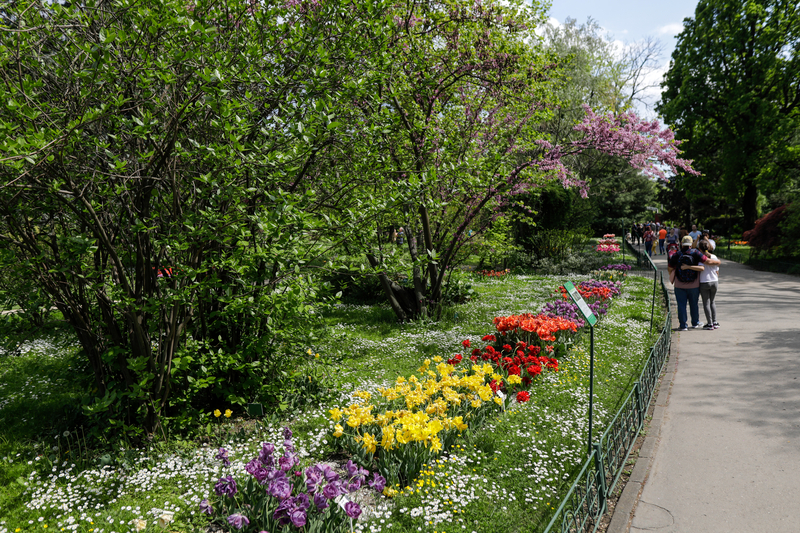
The Dimitrie Brândză Botanical Garden in Bucharest is another choice for a spring visit. Located in the Cotroceni neighborhood, it hosts more than 10,000 species of plants. In spring, visitors can see numerous varieties of some of the star flowers of the season: daffodils, peonies, lilacs, tulips, and more. The garden also has sectors of local, spontaneous flora, where works are carried out less frequently or not at all, thus allowing for local biodiversity to be preserved. A list of several botanical gardens in the country and what they have to offer visitors is here.
Free newsletters
Romania, in your inbox before your first coffee.
Get the Daily — the morning briefing, free, in English, unsubscribe anytime. Want business, real estate or travel digests too? Pick your newsletters →