Romanian film review – Music and Agony: Heads and Tails
On 5 September 2014, in a club in Bacău, a 33-year-old man was hit on his head with a bottle and died after refusing medical care. The reason for the incident was that he asked the DJ to play the same song 10 times, making another customer…
Ioana Moldovan · Journalist
· Updated · 5 min read
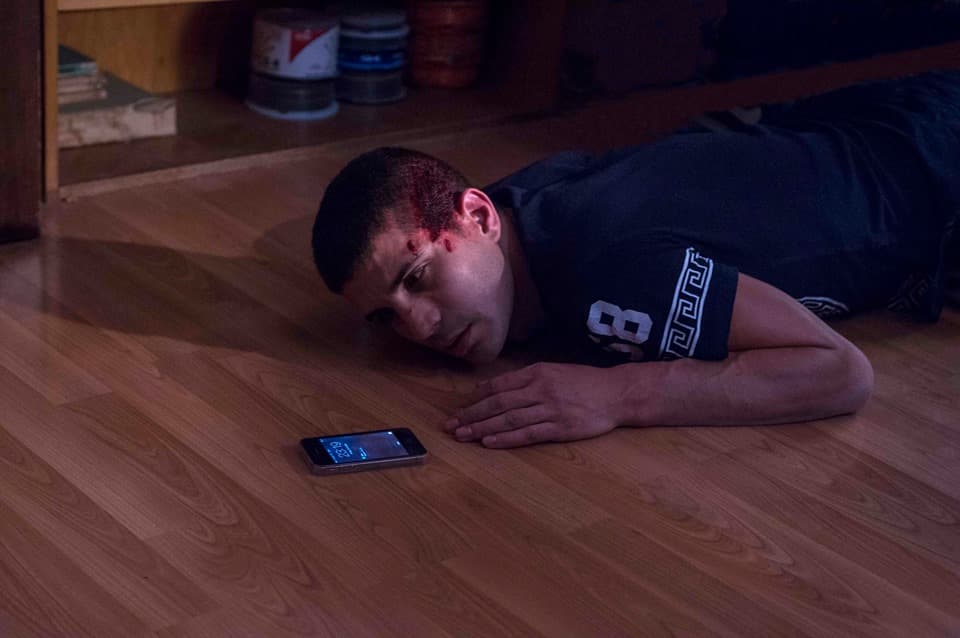
On 5 September 2014, in a club in Bacău, a 33-year-old man was hit on his head with a bottle and died after refusing medical care. The reason for the incident was that he asked the DJ to play the same song 10 times, making another customer so furious he lashed at him with a bottle. The piece of news was broadcast with the headline “Listening to a manea while drunk sent a young man from Bacău to his grave.“
And herein lies the twist: it was not any song, but a “manea”, a genre of pop music with oriental rhythms and folk elements, mainly associated with the ‘lower’ classes, and especially Roma, since they are its most prolific interpreters. Due to a change in the cultural and social discourse, they have been embraced by the mainstream, or let’s say the alternative scene (cool parties are not cool without at least one manea), and analysed as an undeniable phenomenon, with an impressive mass appeal and, for some of its best managers, a very successful one. In the 1990s and the following decade, however, they were ubiquitous and very much scorned upon (with a more or less explicit dose of racism) for being allegedly bad music, with bad grammar, simplistic content, and a cheap pop tune. The same could be thrown at other genres too, but only the manea could (and still can) trigger such high-brow outrage and contempt.