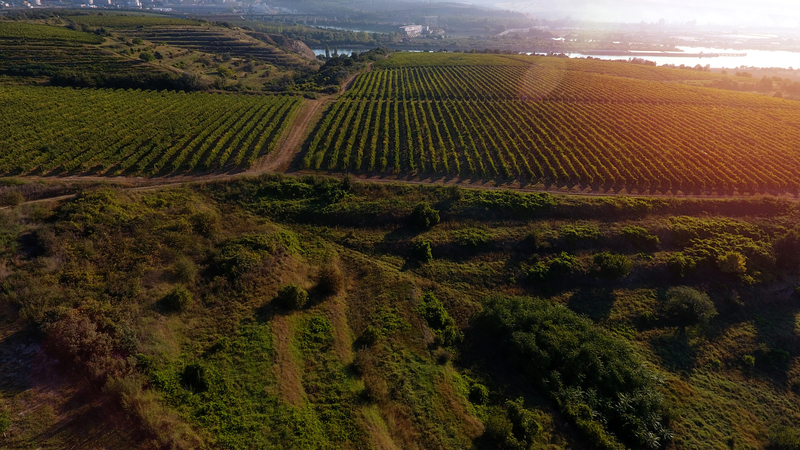
Romania travel: Five reasons to visit Dobrogea
Bordered by the Danube and the Black Sea, the Romanian part of the Dobrogea region is a favorite summer spot for travelers. It has sunny resorts, traditional fishermen villages, and a wealth of historical sites but also quiet beaches and…
RI Newsroom · Journalist
· Updated · 4 min read

Bordered by the Danube and the Black Sea, the Romanian part of the Dobrogea region is a favorite summer spot for travelers. It has sunny resorts, traditional fishermen villages, and a wealth of historical sites but also quiet beaches and extensive vineyards. It is a place to go birdwatching and fishing, hiking, and camping. We outline below some reasons to give Dobrogea and its many attractions a try.
___STEADY_PAYWALL___
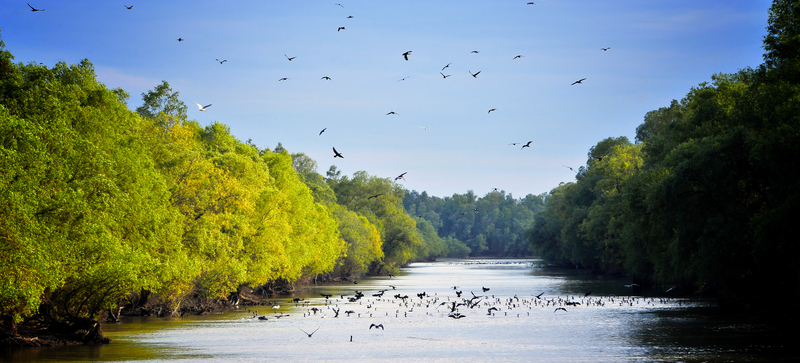
Visit Europe's largest wetland area
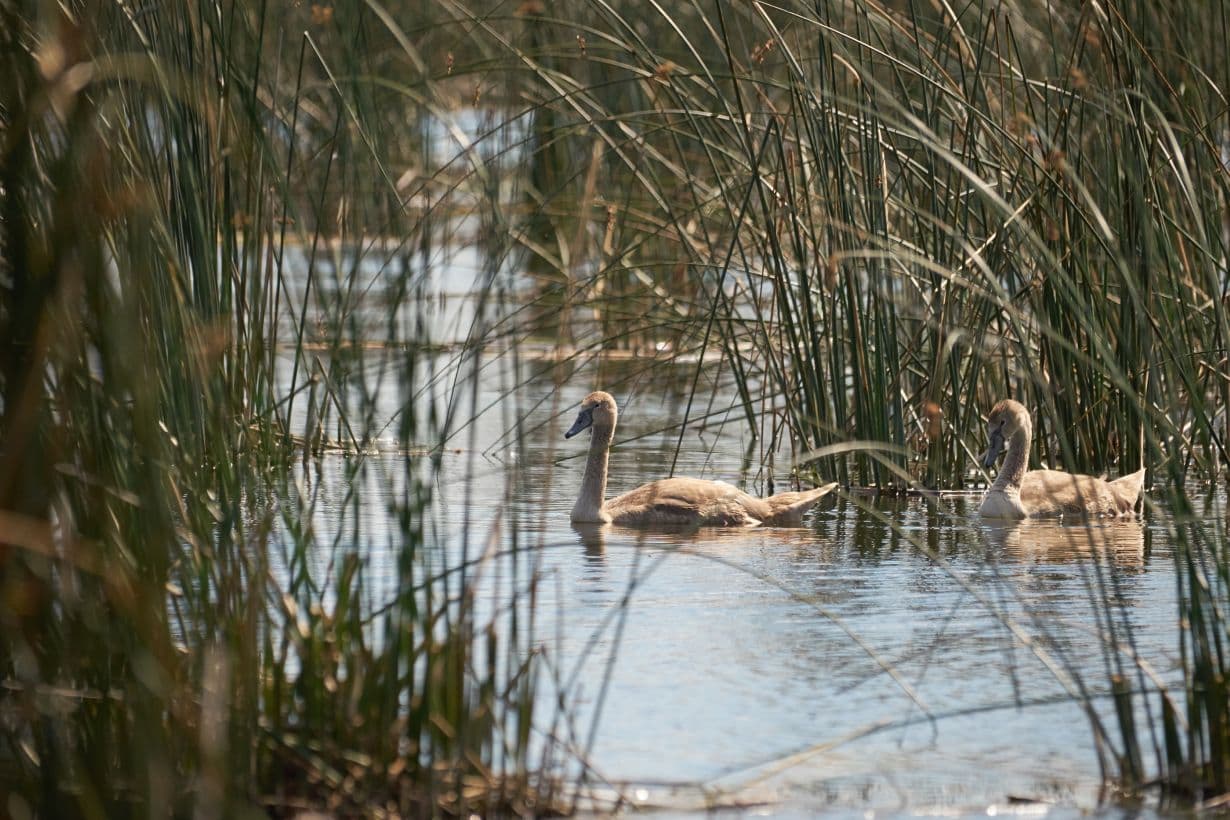
The Danube Delta pops up on almost any list of must-visit sites in Romania and Dobrogea, and for a good reason. It is a place that stands out with its rich biodiversity, a reason the Danube Delta Biosphere Reserve was added to UNESCO's World Heritage List. It is an ideal spot for birdwatching as enthusiasts can spot here many species, from cormorants and pelicans to egrets and storks. The beavers are also making a return to the area, where the beautiful forests of Letea, the first local nature reserve, and Caraorman can be found. Meandering through the delta's labyrinth of canals and ponds is a unique experience providing the opportunity to discover a very diverse water ecosystem.
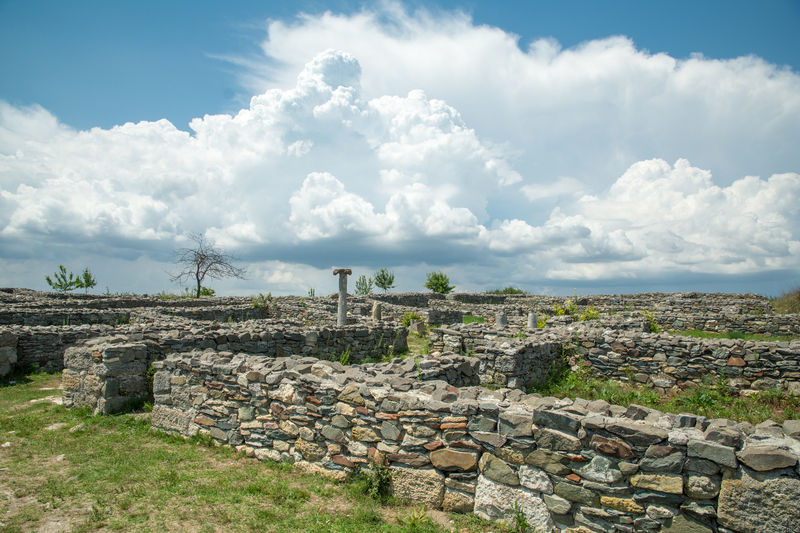
Go back to the time of the ancient Greek and Roman settlements
Histria, Tomis, Callatis, or Argamum are some of the ancient settlements that developed on the coast of the Black Sea. Visitors can see the traces of the Greek and Roman civilizations at the history museums in the cities in the area or at the open-air sites that are open for visitors. A good starting point for a tour of the area's past days is Constanța, the largest city on the Romanian side of the Black Sea coast. Previously known by its historical name of Tomis, it hosts an Archeology Park where visitors can see vestiges of the former Tomis Fortress, from columns, amphorae, and capitols to fragments of buildings . The Roman Mosaic edifice is another must-see. Built toward the end of the 4th century AD and extended over the centuries, it was the city's commercial center. A landmark of Constanța's Old Town is the Ovidiu Square, named after the Roman poet sent into exile at Tomis in the year 8 AD by decree of the emperor Augustus. A statue of the poet sits in the square, a homage to the famous inhabitant. The ruins of the ancient Greek town of Callatis can be found in today's Mangalia, while those of the oldest Greek settlement on Romania's territory, Histria, can be seen further up north on the coast. Another interesting site, although not marked for tourists, is the Orgame/Argamum castra, a fort in the former Roman province of Moesia, today found in the Capul Doloșman area, in the eastern part of Tulcea County.
Free newsletters
Romania, in your inbox before your first coffee.
Get the Daily — the morning briefing, free, in English, unsubscribe anytime. Want business, real estate or travel digests too? Pick your newsletters →