Discovering Bucharest’s newly emerged suburbia
A photographer - journalist duo uncovers life in the Romanian capital city's newly emerged suburbia, where new apartment blocks or office buildings can co-exist with wild animals or herds of sheep and goats.
Diana Mesesan · Journalist
· Updated · 7 min read
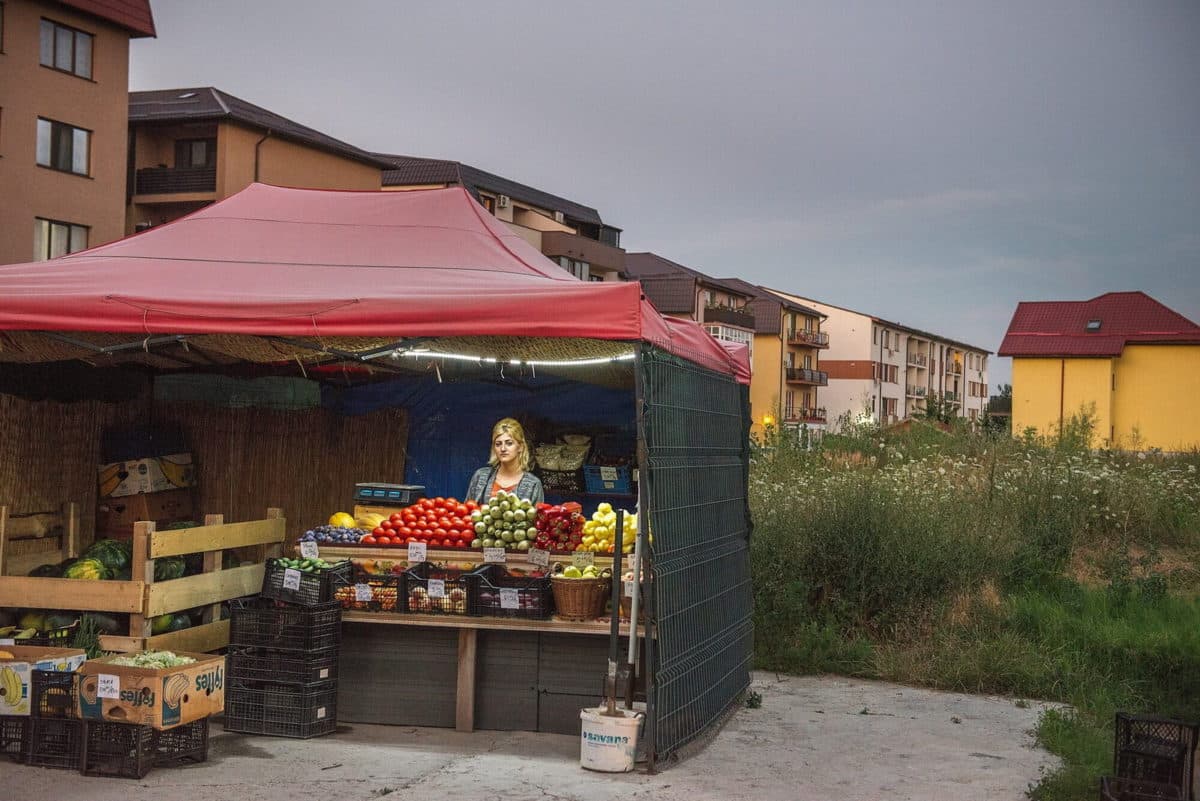
A photographer - journalist duo uncovers life in the Romanian capital city's newly emerged suburbia, where new apartment blocks or office buildings can co-exist with wild animals or herds of sheep and goats.
Romanian photographer Petruț Călinescu and journalist Ioana Călinescu documented Bucharest’s suburbia for two years. They discovered that people’s expectations seldom matched the reality. Newly-built oasis-like residential compounds were totally disconnected from the city. Infrastructure was an elusive dream. Every time Ioana and Petruț would leave Bucharest during summer to visit Petruț’s parents in Constanta, they would drive past a residential complex on the outskirts of Bucharest. It looked to them like a working colony right in the middle of a field. Although intriguing, they were always in a hurry and didn’t stop. But the image of that isolated group of blocks was somehow daunting, so the couple decided to make a detour. Behind the residential complex they discovered a sheepfold, with several hundred sheep. For them, it became the emblematic image of Bucharest’s chaotic real estate development on the outskirts. They decided that they’d start documenting and photographing the suburbs of Bucharest, periferia. Petruț bought a map of Bucharest, a mayor’s map, as he calls it laughing, and pinned all the areas that were worth seeing. Two years later, Petruț and Ioana have published the project’s newspaper. I first met Petrut and Ioana in 2012, when they were working on a story about the Romanian immigration. The result was a photography book called Pride and Concrete. It told the story of men and women from Northern Romania who went to work abroad in search of a better life. They thought that they would leave only for a short while, but have never actually returned. People invested their money in Romania in huge houses they didn’t get to live in. These houses became the symbols of wealth and economic security, symbols of pride. Their symbolic function was more important than their practicality.