Romania prolongs state of energy crisis as Cernavodă nuclear power plant may remain offline in November
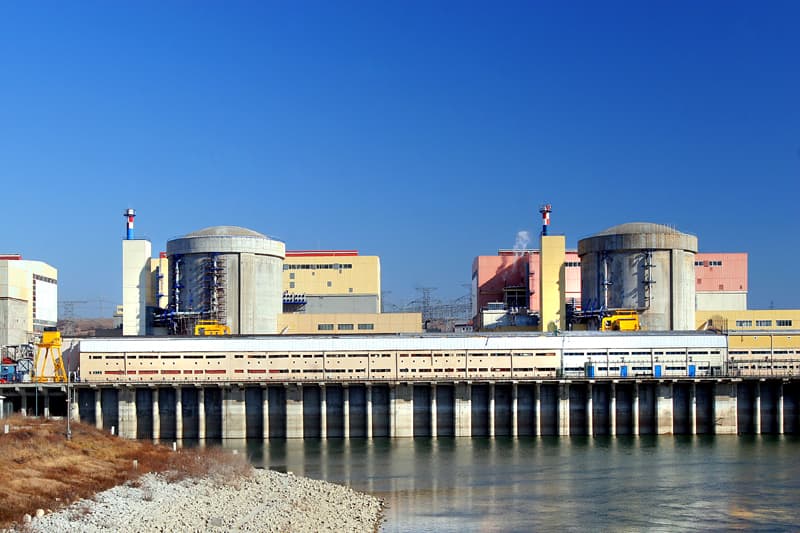
Forecasts by power grid operator Transelectrica indicate that both reactors at Romania's sole nuclear power plant, Cernavodă, operated by Nuclearelectrica, may remain offline throughout November.
iulian ernst · Journalist
· 2 min read
Combined with reduced hydropower generation amid low water levels in reservoirs, seasonally lower solar power production, reduced availability of imported electricity due to the regional energy crisis, and rising consumption, this would increase vulnerabilities that are already evident during the evening peak-demand period.
Under these circumstances, Romania’s state of energy crisis has been extended by another month, according to Economica.net.
Transelectrica has described the National Energy System (SEN) as having a low level of adequacy, citing the following factors:
- Coal-fired power units can operate at a maximum output of 1,200 MW for a limited period, or 900 MW under current conditions, given limited fuel reserves and the fact that coal-fired units operate mainly on weekdays.
- According to the wind forecast, wind power generation over the coming week is expected to be relatively high, ranging from a minimum of 50 MW to a maximum of 1,200 MW. Lower values are expected in the first week of November, with output forecast to range between 800 MW and 1,200 MW, although these forecasts remain highly uncertain.
- The outlook for photovoltaic generation is unfavourable, with a maximum output of 2,000 MW. Production is expected to decline during the first ten days of November and thereafter as the duration of solar radiation gradually decreases.
Nuclear power generation capacity across the region is also facing constraints. A 1,000 MW nuclear unit in Bulgaria is scheduled to be shut down by November 19, while a unit of the same capacity at the Temelín nuclear power plant in the Czech Republic is scheduled to be shut down by mid-December. Hungary’s Paks nuclear power plant is operating with a capacity reduction of between 500-1,000 MW.
The analysis conducted by the Ministry of Energy highlighted the following risks:
- Under the circumstances described above, the main vulnerability is a shortage of dispatchable generation during peak hours (5:00 p.m. to 9:00 p.m.), combined with limited electricity import capacity due to the regional energy crisis.
- The assessment also identifies a risk of an electricity supply crisis if insufficient generating capacity and energy reserves are available to balance the system during peak-demand periods. This could have serious economic and social consequences.
Free newsletters
Romania, in your inbox before your first coffee.
Get the Daily — the morning briefing, free, in English, unsubscribe anytime. Want business, real estate or travel digests too? Pick your newsletters →