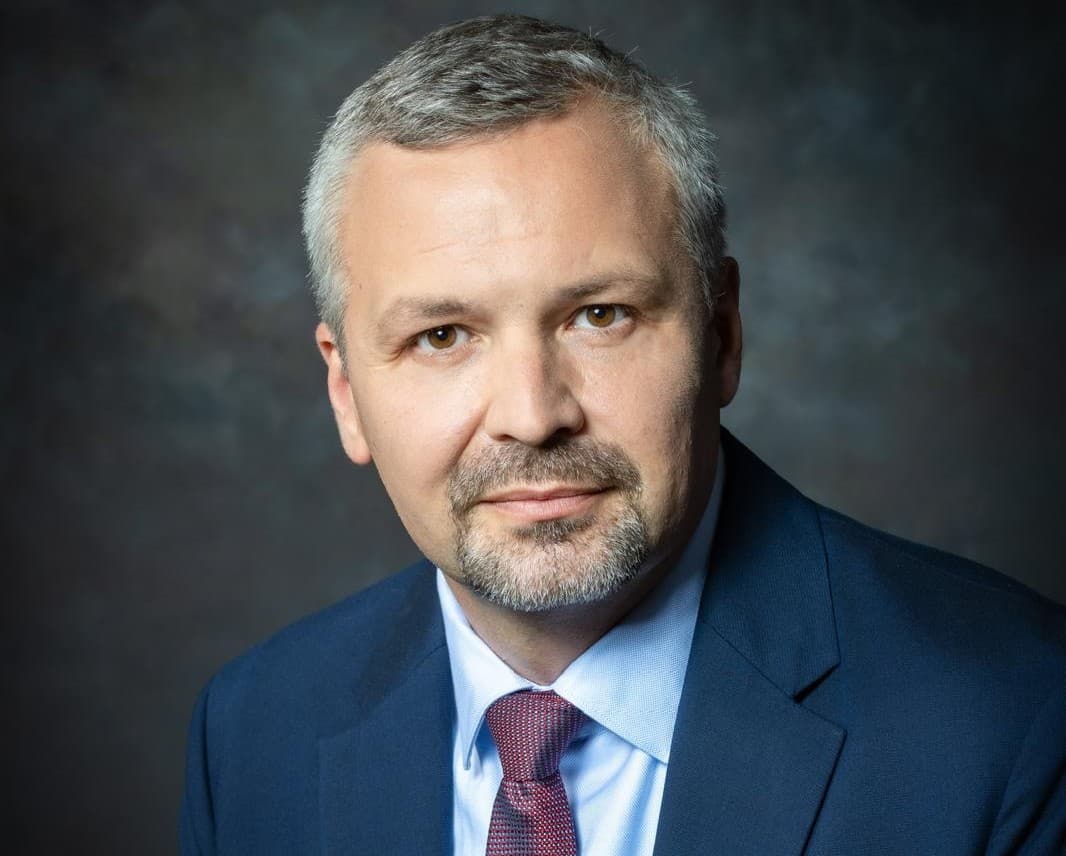
Press Release: Interview with SIR Zahal Levy, President of MediHelp International, about access to medical care after the pandemic crisis
What do you think about this coronavirus situation and how will it affect all of us in the long term?
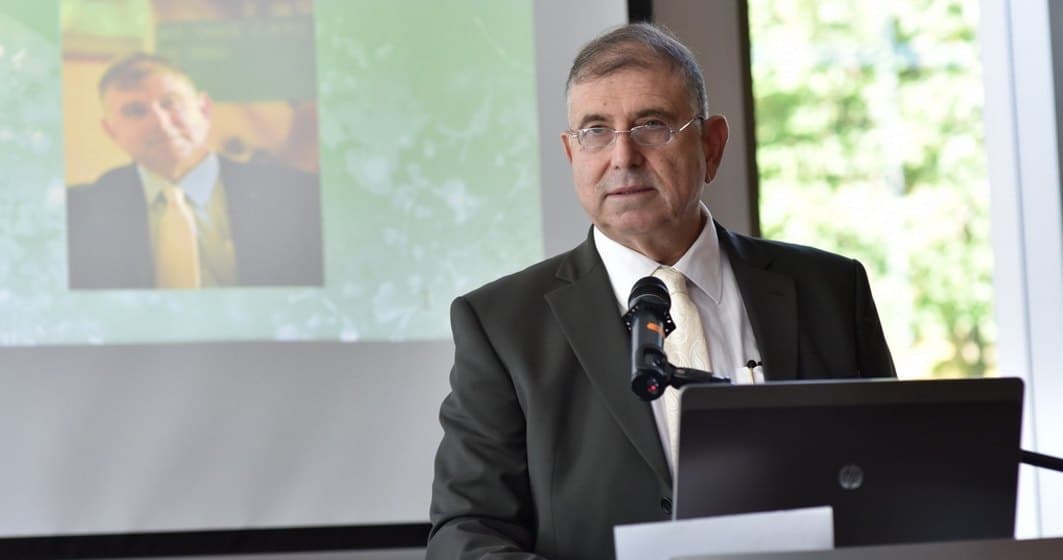
What do you think about this coronavirus situation and how will it affect all of us in the long term?
Sadly, I cannot hide my worries regarding the possible threat to our local, but also the global economy. Each one of us already knows someone who may have lost some or all of their income because of the situation. The good news is that with what is called “the returning economy” by the experts, all this will probably compensate for those who navigated this period both cleverly and without panicking.
For now we still see some movement restrictions, closed businesses, and continued high unemployment. But worse than that, many of us cannot properly access the healthcare services needed, especially those who have chronic illnesses.
In the long term, agile and flexible companies will adapt and survive the changes, reinvent themselves, and stay in business.
However, for the interim period while companies and individuals do reduced levels of business, that means a reduction in taxation paid, taxation that contributes to such things as healthcare, which will now find itself squeezed, financially, even harder.
How do you think that people’s access to medical care will be affected by this new virus?
Coronavirus cases in significant numbers will put an additional strain on already weak national health systems. That can weaken the health system in treating routine and regular medical needs of the public. So, it may reach the point where minor ailments will no longer be treatable at state hospitals in an already overstretched, poorly funded health system, as they will have been overrun with the consequences of the virus.
As always, the older, the immunodeficient people will be particularly affected. Those who have suffered from long-term health issues will pay the highest price (of course, the topics of preventive medicine also counts here, because being healthy means much more than just the absence of any illness).
The “chronically ill patients”, those who are now old and sick, will not be able to wait until the pandemic is over. Additional newly arriving patients who require attention for cardiac disease, cancer, kidney failure, etc, will still continue to add up. Many of them will now have to turn to private providers for medical help and treatment. This, however, is also not a viable solution as the private medical providers will also soon be placed under pressure from patients who are unable to obtain assistance from their national healthcare system.
Private medical providers will have to offer a service to their many subscribers who have an arrangement with them (membership). These arrangements were never properly priced, and for sure were not priced for a tidal wave of claims. The „ Membership” was always sold at a price intended to beat the competition. In this reality, very soon, medical providers will prefer the “privately funded patient.” The ones who pay cash. The medical providers call it FFS. (Fee For Service).
Free newsletters
Romania, in your inbox before your first coffee.
Get the Daily — the morning briefing, free, in English, unsubscribe anytime. Want business, real estate or travel digests too? Pick your newsletters →