(P) Transforming HR: How to translate Purpose into People Strategies - Key Learnings
“The purpose of life is not to be happy. It is to be useful, to be honourable, to be compassionate, to have it make some difference that you have lived and lived well.” - Ralph Waldo Emerson

“The purpose of life is not to be happy. It is to be useful, to be honourable, to be compassionate, to have it make some difference that you have lived and lived well.” - Ralph Waldo Emerson
The concept of organisational purpose has never been more prevalent than now, even one year into the pandemic, and leaders around the world have been confronted with countless challenges. Businesses have become so engaged in redefining their direction because this period demanded of them a moment of contemplation: What is our mission as a company? Why do we do the work we do?
Re-evaluating the people strategies is, to say the least, as critical as addressing other business areas such as marketing, sales, financial, etc. People have been through the biggest disruption to their employment since the previous 2008 crisis, and most employers have implemented more changes to their organisation in 2020 than they had in the past years, cumulatively. The challenge is to see this as a huge opportunity to step forward.
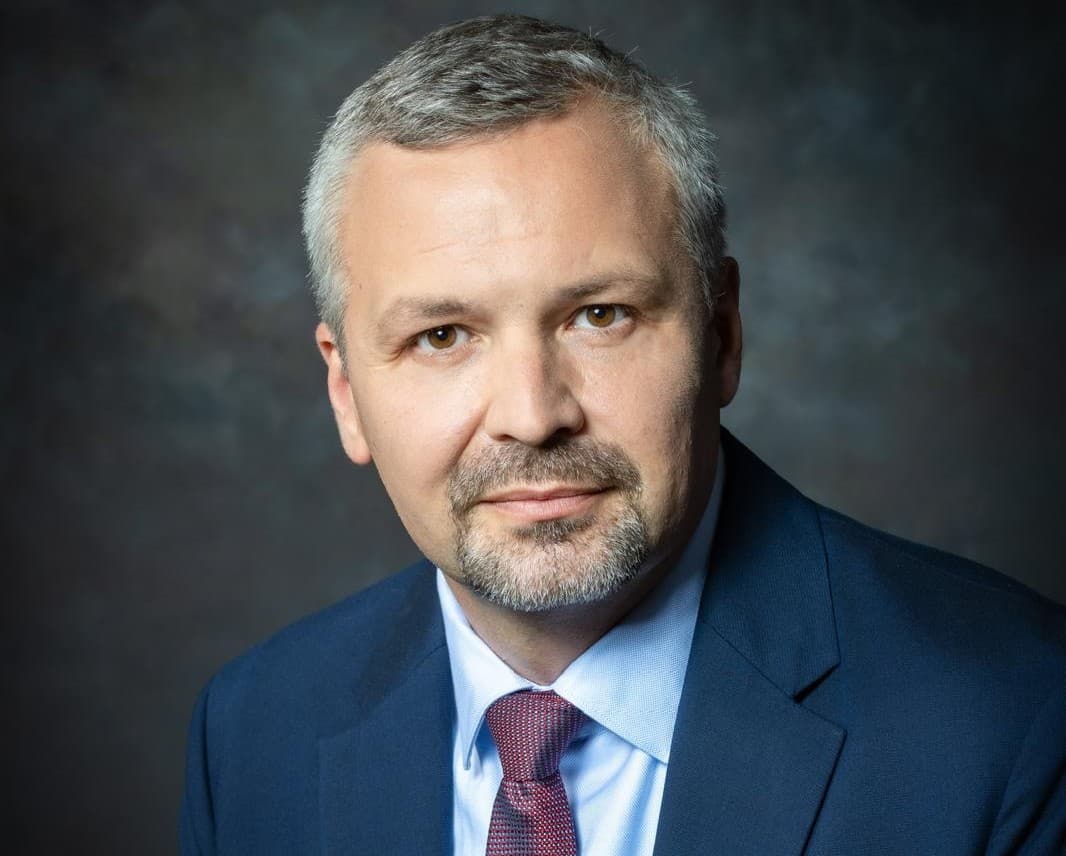
Stein & Partner hosted on the 23rd of March the first event of the Transforming HR series - How to Translate Purpose into People Strategies having as guest speakers: Andreea Mihnea – Chief People Officer at First Bank, Daniel Reisenauer, Managing Director at Visma Software Romania & Ireland and Sorin Banulescu – People & Culture Director at Heineken Romania.
We wanted to challenge different perspectives, therefore we invited three speakers from diverse industries, namely Banking, IT&C and FMCG. Read the summary below to find out how the past year has been for them, what challenges they faced with redefining organizational purpose and how this impacted the people strategies in the companies they work for.
We live in the future now
In order to stay competitive in the new business and economic environment, most leaders recognise technology’s strategic value. Digitalisation has been a hot topic over the years, but it has taken a global event to trigger changes that were only ideas in the last decade. The pandemic has launched all of us into the digital future and practically overnight, remote working and many other online processes have become realities. A good number of employees have rapidly embraced the digital era, in some cases leading to more engagement and productivity.
For some industries, especially in the IT&C, the changes were embraced faster, as Daniel Reisenauer states about his company: “Even before the pandemic, it was easier for employees to carry out their activities digitally, as we are an international software company, and we use a lot of tech’ applications to interact across teams and cultures, so, this helped a lot from a mindset perspective to transition into the digital era”.
Free newsletters
Romania, in your inbox before your first coffee.
Get the Daily — the morning briefing, free, in English, unsubscribe anytime. Want business, real estate or travel digests too? Pick your newsletters →