Survival threat persists for Europe’s rarest freshwater fish, with most detected along tiny Romanian river stretch
Three-quarters of the asprete found during this year’s survey were confined between an impassable concrete barrier and a malfunctioning wastewater treatment plant.
Irina Marica · Journalist
· 5 min read
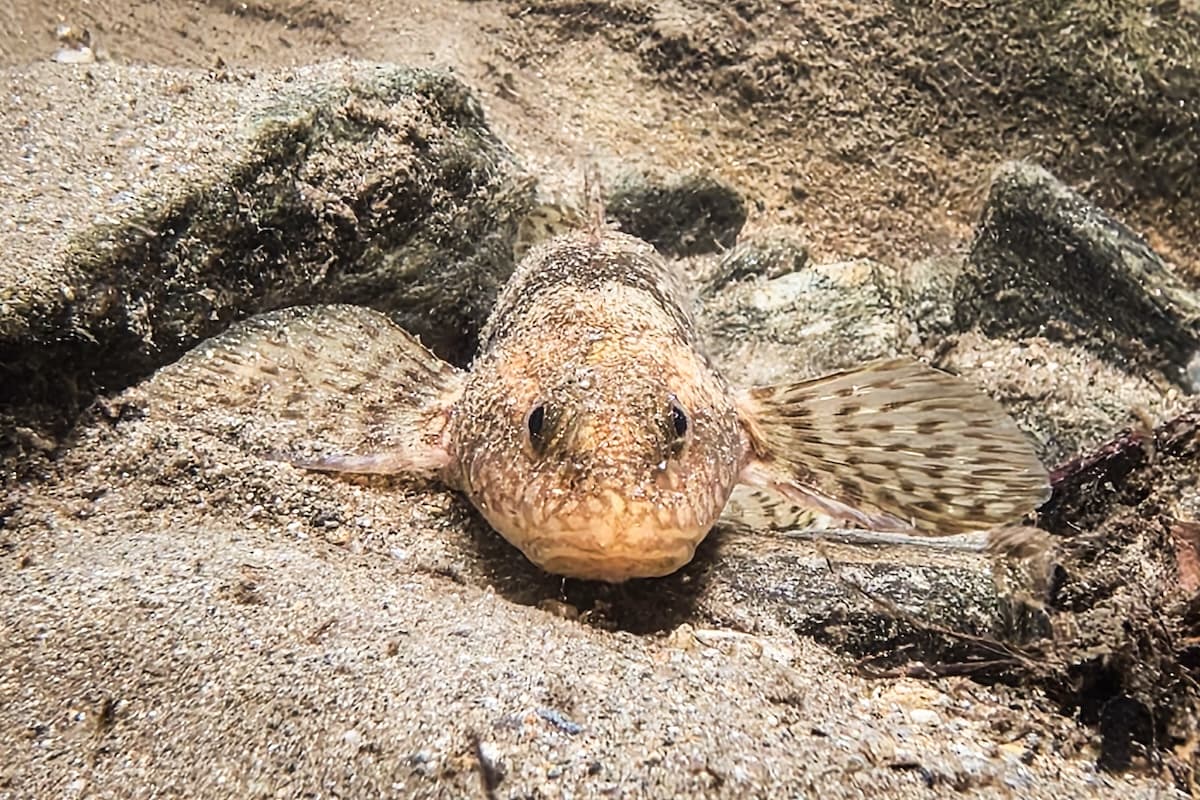
Researchers identified 150 asprete fish in Romania’s Vâlsan River during annual scientific monitoring conducted from September 22 to 25, down from 181 specimens in 2025. Of this year’s total, 114 fish (or 76%), were found along a single 450-meter stretch representing less than 5% of the approximately 10 km in which the species was detected.
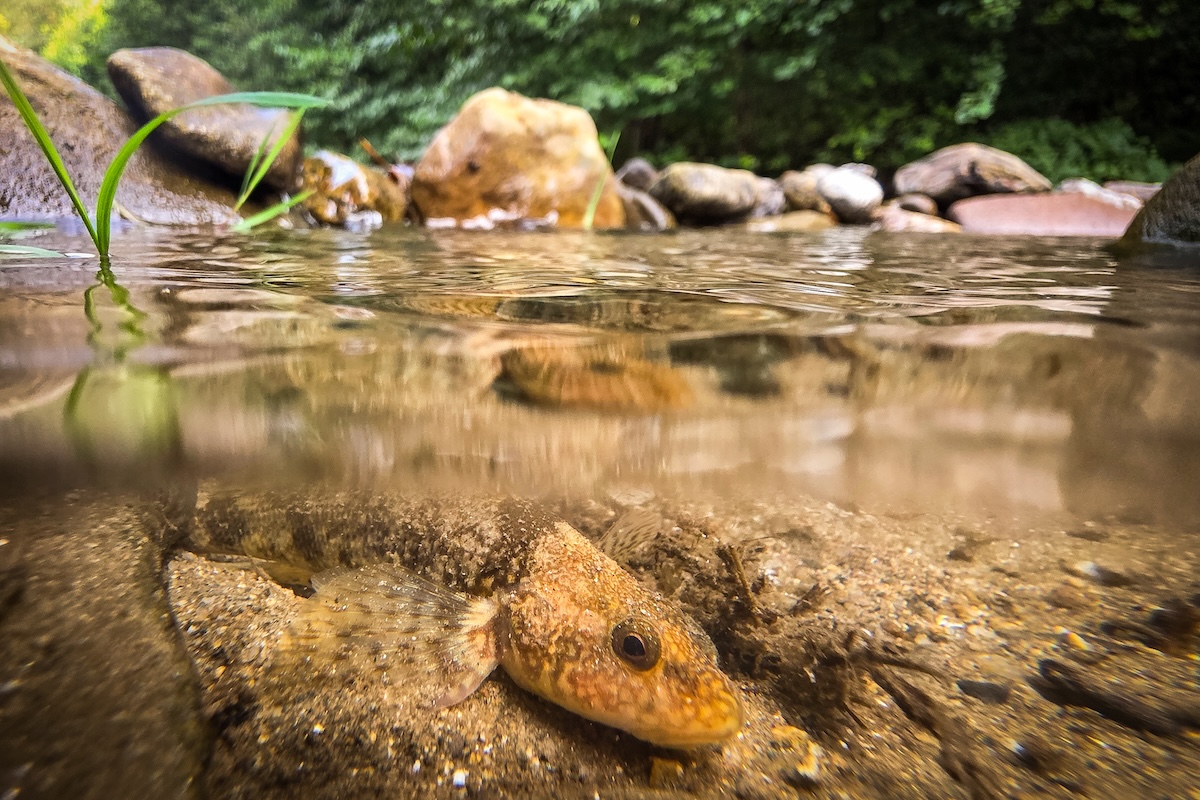
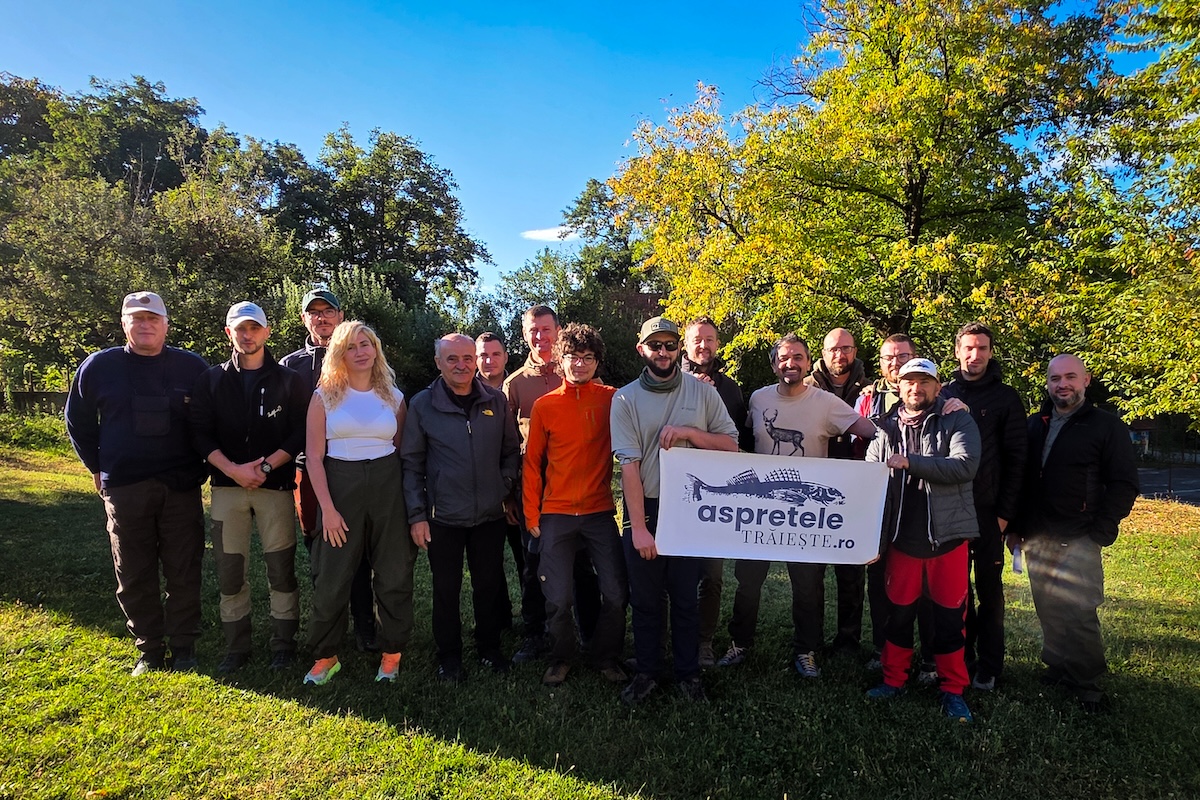
The asprete (Romanichthys valsanicola), Europe’s rarest freshwater fish, survives only in the Vâlsan River in Romania’s Argeș county and nowhere else in the world. The 2026 survey found the species at nine of the 21 monitoring stations examined by researchers from the Centura Verde/Green Belt Foundation’s Aspretele Trăiește/Asprete Lives conservation programme and its partners.
According to the foundation, the core population is trapped between a concrete barrier upstream that the fish cannot cross and the Brădetu wastewater treatment plant downstream. The plant allegedly operates outside the required parameters and chronically pollutes the river, creating what conservationists describe as a chemical barrier that restricts fish movement and affects survival downstream.
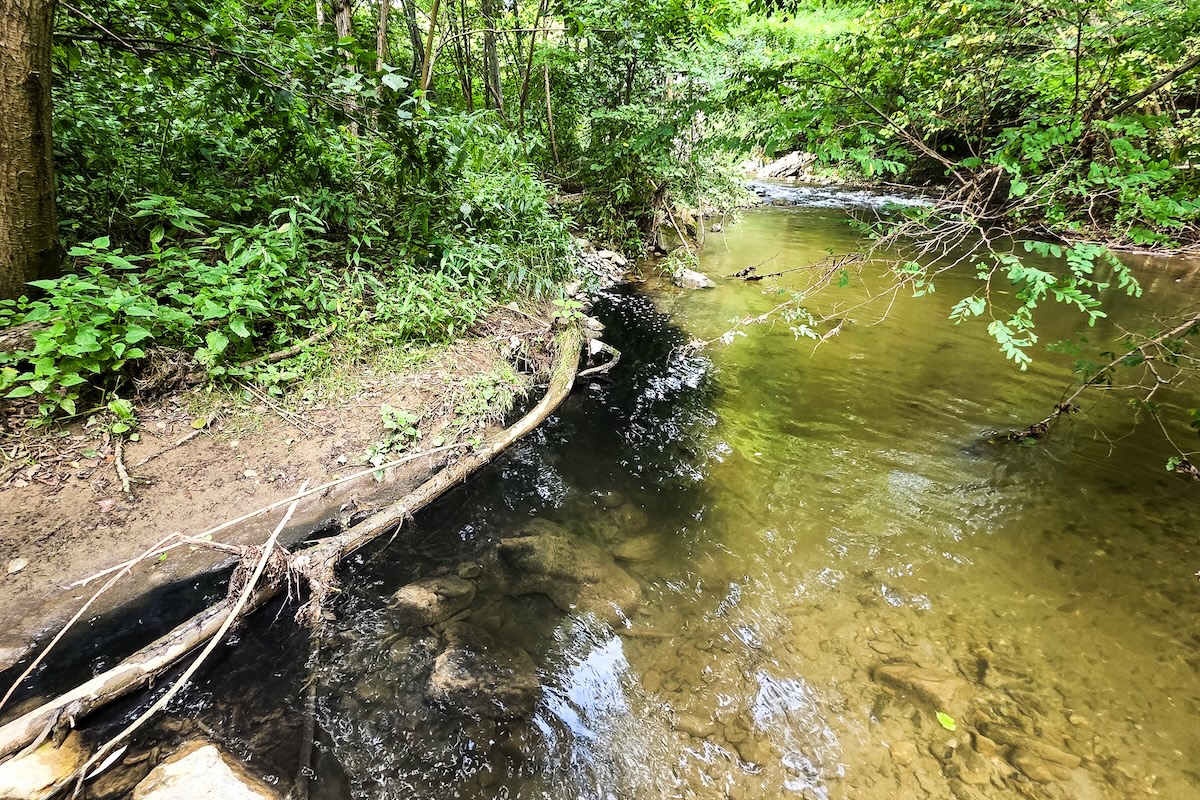
The monitoring figures showed that the number of specimens identified in the 450 m core area remained virtually unchanged, at 114 this year compared with 113 in 2025. Downstream from the treatment plant, however, the number fell from 68 to 36, accounting for almost the entire year-on-year decline.
“The figures now clearly show the connection between the distribution of the asprete and the continued poisoning of the Vâlsan River by the treatment plant, which has failed to operate within the required parameters for many years,” conservationist Alex Găvan, president of the Green Belt Foundation and founder of the Asprete Lives programme, said.
He also called on the Romanian state to ensure the ecological flow required to maintain the river ecosystem downstream from the Vâlsan dam and the Dobroneagu water intake.
“Without the ecological flow calculated by the National Institute of Hydrology and Water Management, the asprete has no chance,” Alex Găvan stated. “We have a fish that is unique in the world, while the river and the community of the Vâlsan Valley need healing. Beyond preserving a species and an extremely valuable ecosystem, we are talking about an urgent public health issue.”
Free newsletters
Romania, in your inbox before your first coffee.
Get the Daily — the morning briefing, free, in English, unsubscribe anytime. Want business, real estate or travel digests too? Pick your newsletters →