Romania’s Simona Halep denounces “ill will” after another tennis player receives one-month suspension for banned substance
Update: In reply, ITIA told Reuters that Swiatek's case differs from Halep’s.
Radu Dumitrescu · Journalist
· Updated · 3 min read
Update: In reply, ITIA told Reuters that Swiatek's case differs from Halep’s.
"No two cases are the same, they often involve different circumstances, and direct comparisons are not always helpful. There are some very important differences in these two cases," the ITIA said. "The product contaminated in Swiatek's case was a regulated medication, not a supplement. There was agreement among independent scientific experts surrounding the facts and the player admitted the Anti-Doping Rule Violation. We urge players to exercise extreme caution when taking supplements and we are always happy to answer any questions they have."
Earlier this year, men's world number one Jannik Sinner was cleared of wrongdoing despite failing two drug tests after the Italian said that the anabolic agent clostebol had entered his system from a member of his support team through massages and sports therapy.
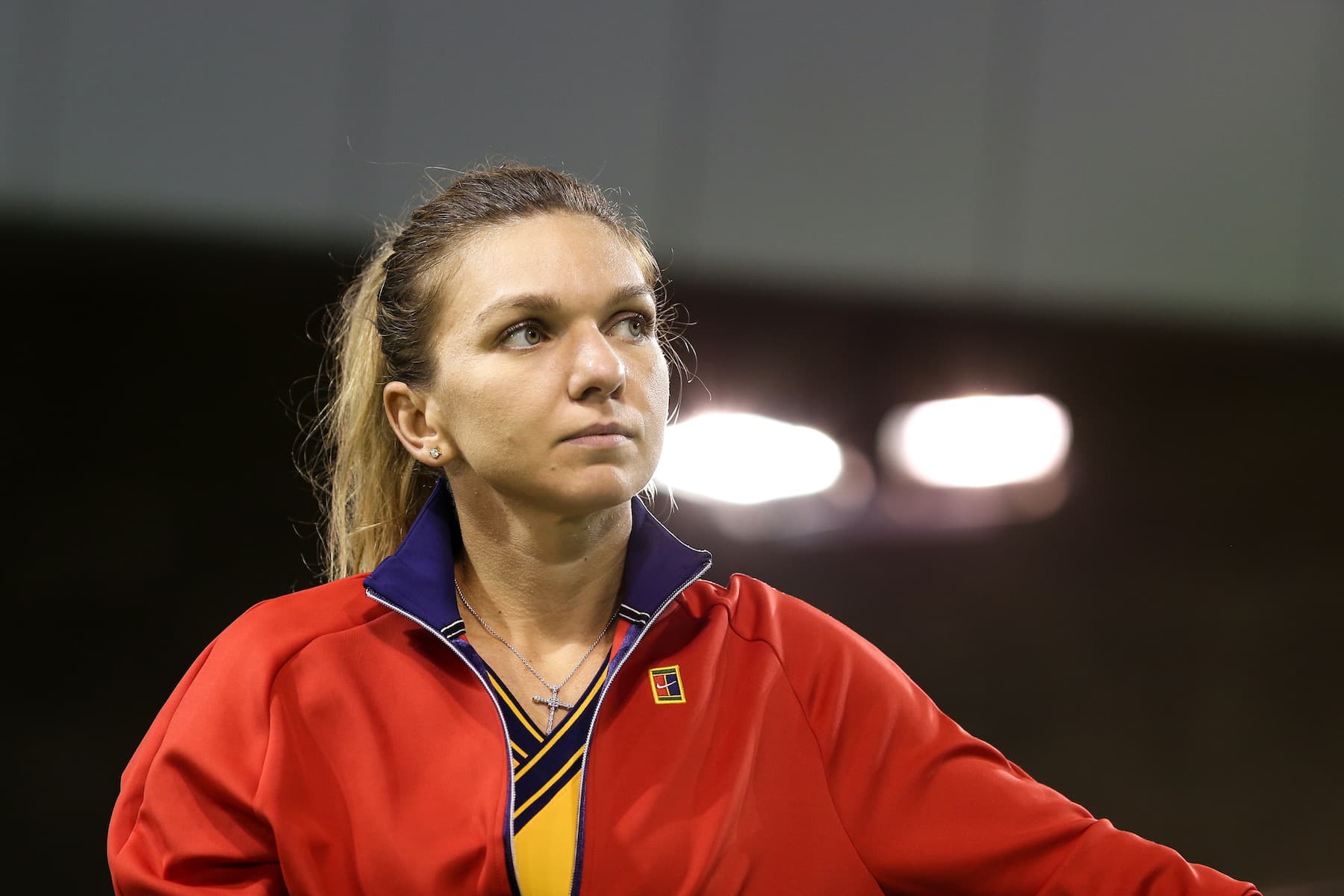
Initial story: Romanian tennis star and former women’s no. 1 Simona Halep stated in a recent post on social media that she cannot understand why her case and that of Polish tennis player Iga Świątek were treated so differently by the International Tennis Integrity Agency.
On Thursday, November 28, the International Tennis Integrity Agency (ITIA) announced that Polish Iga Świątek, ranked No. 2 in the WTA, had accepted a one-month suspension under the Tennis Anti-Doping Program after testing positive for the banned substance trimetazidine (TMZ). The sample was collected out of competition in August 2024.
ITIA acknowledged that the positive test was caused by contamination of a regulated over-the-counter medication (melatonin), which the player had taken to address jet lag and sleep issues, and that the violation was therefore unintentional.
Simona Halep was suspended in October 2022 after testing positive for roxadustat - a banned substance that stimulates red blood cell production - at that year’s US Open. She was also accused of a second rule violation last year due to irregularities in her Athlete Biological Passport, a method designed to track blood parameters over time to detect potential doping.
Halep, who strongly denied the accusations and explained that the positive test resulted from a contaminated supplement, was allowed to return to competition after the Court of Arbitration for Sport in Lausanne ruled in March 2024 that her suspension should be reduced to nine months. In the meantime, however, she had dropped out of the
Free newsletters
Romania, in your inbox before your first coffee.
Get the Daily — the morning briefing, free, in English, unsubscribe anytime. Want business, real estate or travel digests too? Pick your newsletters →