Senate opens path for a green belt around Bucharest with vote on new Forestry Code
The Romanian Senate passed the new Forestry Code bill on April 29, including, among others, the amendments to safeguard the forests in Ilfov county. Protecting these forests would be the starting point for creating the Bucharest-Ilfov…
Irina Marica · Journalist
· Updated · 3 min read
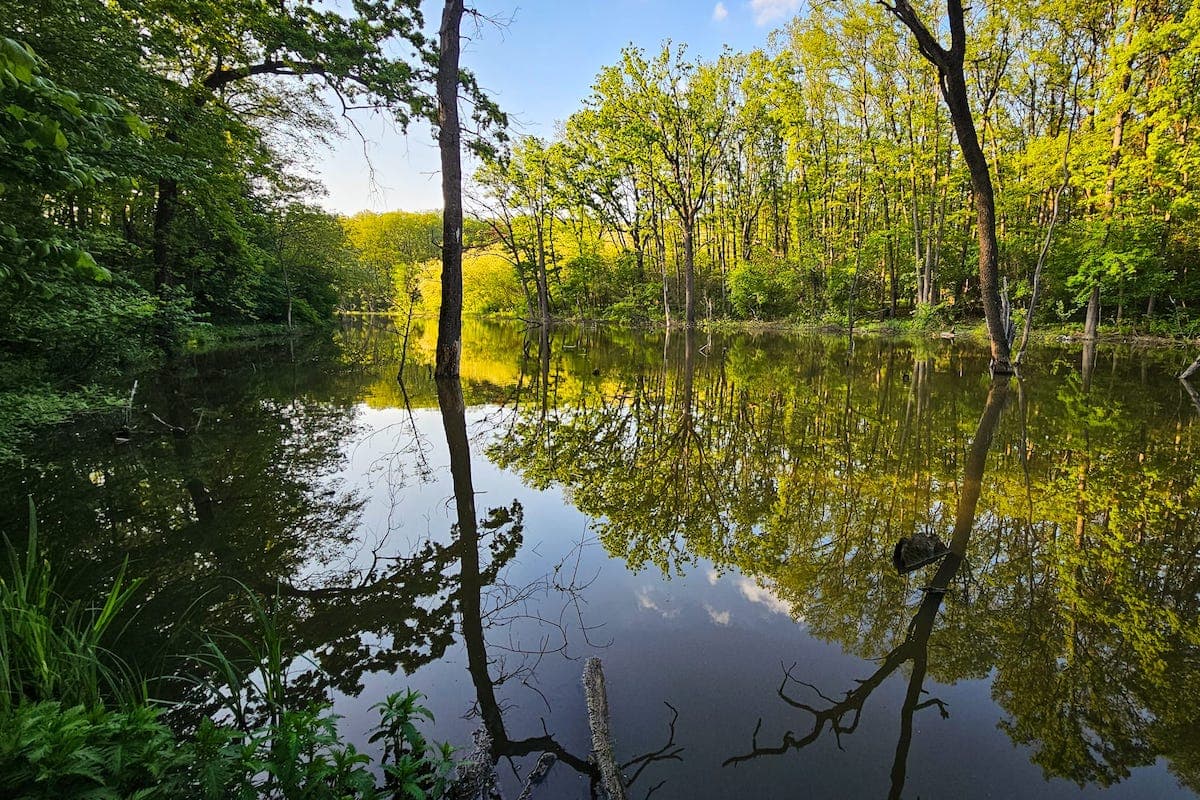
The Romanian Senate passed the new Forestry Code bill on April 29, including, among others, the amendments to safeguard the forests in Ilfov county. Protecting these forests would be the starting point for creating the Bucharest-Ilfov Green Belt - a civic initiative backed by the Ministry of Environment and MPs from across the political spectrum. With only 16% wooded area, Ilfov is considered an "area with a deficit of forest vegetation."
The Senate voted 87-1 (three abstentions) to pass the new Forestry Code bill, an essential milestone of Romania's recovery and resilience plan (PNRR). More than 200 amendments were submitted to the draft law, but not all got the green light from the expert committees.
Protecting the forests of Ilfov is an initiative of the Together for the Green Belt/Împreună pentru Centura Verde civic platform, launched roughly a year ago by Alex Găvan, high-altitude climber and conservationist, and Florin Stoican, president of the associations Kogayon and the Urban Nature Network, and joined by over 150 non-profits, civic groups, and public figures. As its initiators say, it is a public health project with a strong social, climate change mitigation, and anti-pollution component, which also involves environmental actions.
Other Forestry Code amendments that passed the Senate vote, also backed by the Together for the Green Belt platform, promote unrestricted access to the forest for recreation and the protection and conservation of the so-called remarkable trees (old trees with multiple social-ecological functions) from the National Forestry Fund.
"Today, the Senate truly listened to the legitimate needs of civil society and acted accordingly, in the only responsible and ethical way it could. I bow with gratitude," said Alex Găvan.
According to the Ministry of Environment, other new provisions introduced by the Forestry Code include vehicle confiscation for those who transport 20% or at least 5 cubic meters of wood without documents, banning clear-cutting in almost half of the country's forest area, or afforestation done by the state on lands that have been deforested and abandoned by the owner.
Environment minister Mircea Fechet commented: "What particularly concerned us when drafting the Code was to find a balance between protecting the most valuable forests in the country and their sustainable management. Today, we can say that we have the largest areas of virgin forests in Europe, our mountains still hide forests where no human has ever set foot, we have about 10,000 companies active in the wood industry that has exceeded 3.5% of GDP."
Free newsletters
Romania, in your inbox before your first coffee.
Get the Daily — the morning briefing, free, in English, unsubscribe anytime. Want business, real estate or travel digests too? Pick your newsletters →