Romania, second most polluted country in Europe with PM2.5
Romania is the second most polluted country in Europe and on 6th place globally when it comes to average PM2.5 levels. PM2.5 refers to particles as small as 2.5 microns in diameter; a typical human hair measures around 70 microns in…
Radu Dumitrescu · Journalist
· Updated · 4 min read
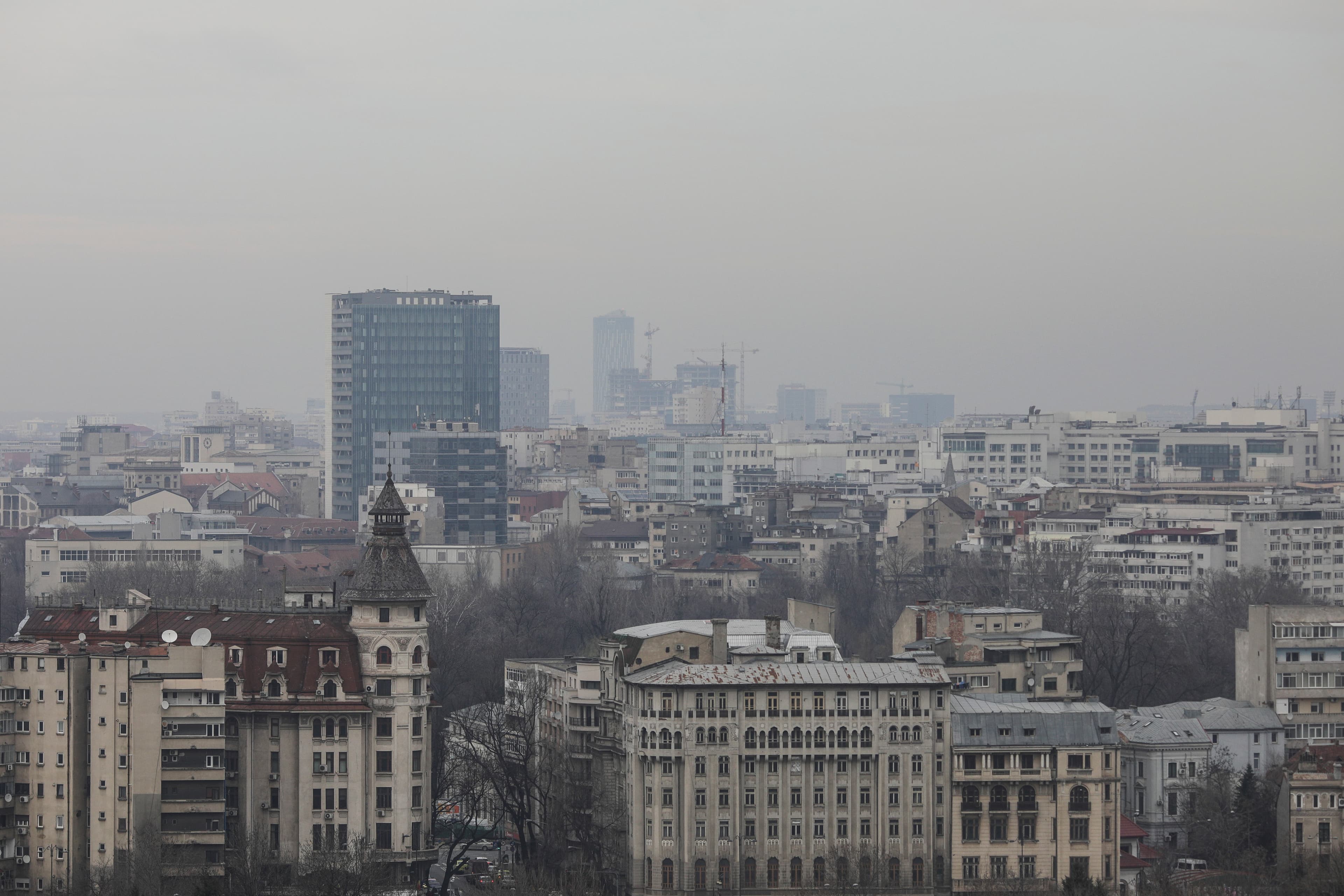
Romania is the second most polluted country in Europe and on 6th place globally when it comes to average PM2.5 levels. PM2.5 refers to particles as small as 2.5 microns in diameter; a typical human hair measures around 70 microns in diameter.
The ranking was made as part of the first Global Connected Air Quality Data project, the largest study of indoor air quality globally. The project studies indoor air quality information collected by more than 2.5 million Dyson Purifiers from 2022 to 2023 to landscape air quality in real homes across the world.
While the data is based on homes with Dyson Purifiers and as such is not nationally representative, the volume of data reaches into the tens of billions of data points and paints a picture of indoor air quality in cities and countries globally beyond the scale that has been achievable to date.
The project focuses on two types of pollutants – PM2.5, and Volatile Organic Compounds (VOCs).
PM2.5 refers to particles as small as 2.5 microns in diameter; a typical human hair measures around 70 microns in diameter. These particles are invisible to the naked eye, can be inhaled, and are an area of increasing scientific and health research. Sources include combustion – wood burners, or gas cooking and heating – pollens, pet dander, and dust. VOCs are gas pollutants including Benzene and Formaldehyde which can be emitted from activities like cleaning or cooking as well as from products including deodorants and body sprays, candles, furniture, and furnishings.
A number of adverse health effects have been associated with exposure to both PM2.5 and PM10. For PM2.5, short-term exposures (up to 24 hours) were associated with premature mortality, increased hospitalizations for cardiac or pulmonary causes, acute and chronic bronchitis, asthma attacks, emergency room visits, respiratory symptoms and restrictions, and days of inactivity. These adverse health effects have been reported mainly in infants, children, and older adults with pre-existing heart or lung disease.
The study gives valuable insight into the real pollution levels in homes across the world. In most nations, interior air pollution is higher than outside air pollution, according to analyses of P.M2.5 (fine particulate matter) values.
In Romania, air pollution is a serious problem, and the national and international authorities impose increasingly strict standards, to reduce the degree of air contamination. Ten months out of the year have more interior air pollution than outside air pollution in Romania, where indoor pollution is generally lower than outdoor pollution. May is considered to be the month where indoor pollution is highest, compared to outdoor pollution.
Romania is the sixth country - above France, Germany, and the UK - that has indoor PM2.5 air quality that is above the WHO’s yearly norm. Turkey, which is rated third in EMEA, is the country with the lowest ranking.
Free newsletters
Romania, in your inbox before your first coffee.
Get the Daily — the morning briefing, free, in English, unsubscribe anytime. Want business, real estate or travel digests too? Pick your newsletters →