Real estate developer Nordis received EUR 200 mln through pyramid scheme, Romanian prosecutors say
Update: Vladimir Ciorbă, the main shareholder of Nordis, and his wife Laura Vicol were detained for 24 hours on Monday evening, alongside five other people, according to Digi24.
Radu Dumitrescu · Journalist
· Updated · 4 min read

Update: Vladimir Ciorbă, the main shareholder of Nordis, and his wife Laura Vicol were detained for 24 hours on Monday evening, alongside five other people, according to Digi24.
Initial story: The controversial real estate developer Nordis, operating in some of Romania’s prime residential and commercial areas, collected nearly EUR 200 million through a “three-tiered pyramid scheme,” according to prosecutors from the Directorate for Investigating Organized Crime and Terrorism (DIICOT).
A large-scale DIICOT operation was underway in the Nordis case on Monday, February 3, with dozens of searches in Bucharest, Constanța, Prahova, Galați, Bistrița-Năsăud, as well as in Monaco. In total, 65 locations are being looked into.
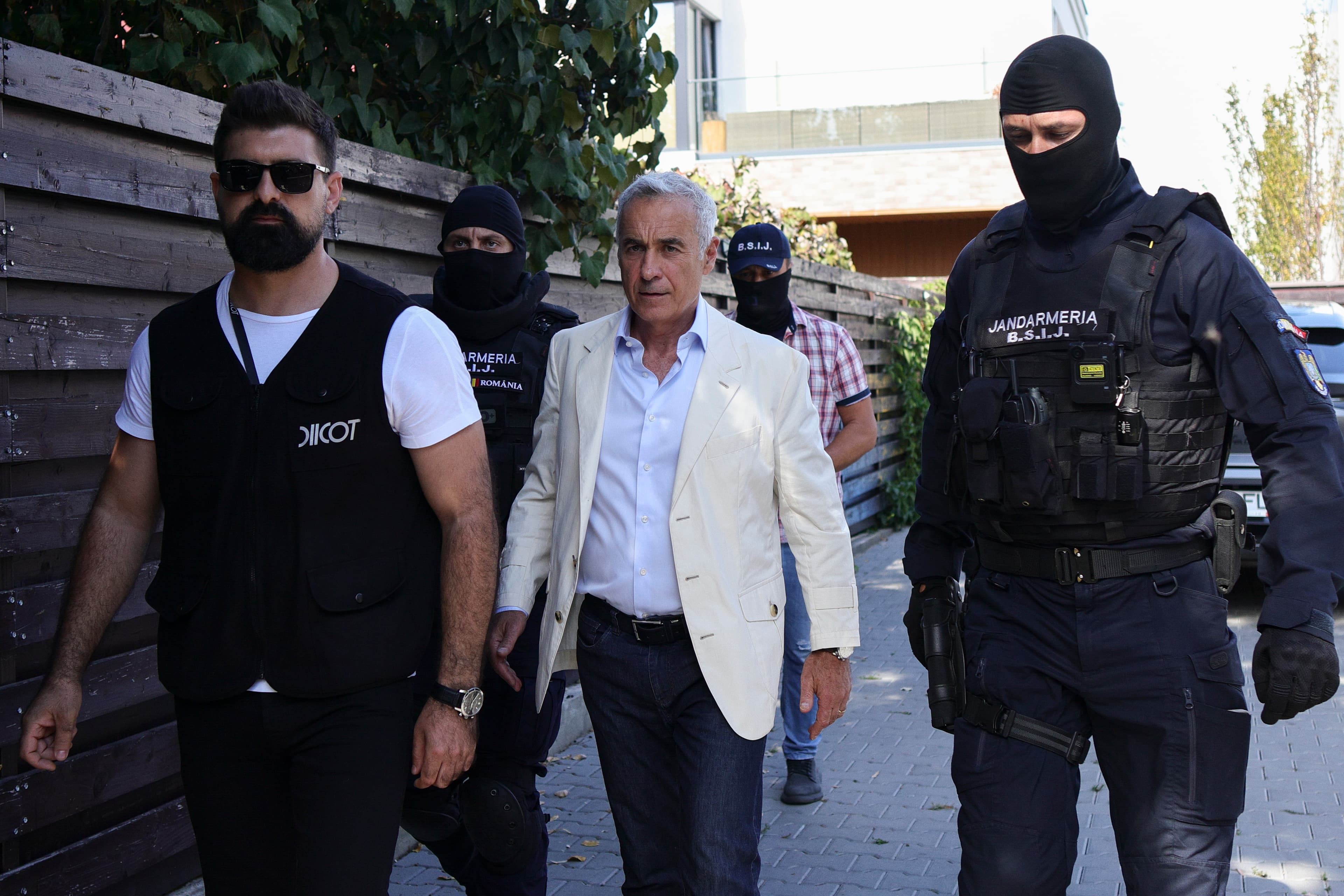
Vladimir Ciorbă, the main shareholder of Nordis, and Laura Vicol (opening picture) have been taken in for questioning following the searches. Ioana Băsescu, the eldest daughter of former president Traian Băsescu, was also being questioned at the DIICOT headquarters, as one of the notaries involved in the real estate company’s transactions.
The charges in the case include the formation of an organized criminal group in 2018, embezzlement, money laundering, tax evasion, fraud, and the deliberate misrepresentation of taxes and contributions to unlawfully obtain refunds or compensations from the state budget.
EUR 195 million embezzled
Prosecutors have identified 72 suspects, three of whom are the alleged creators of the organized crime group, structured into three levels. The group developed real estate projects under the guise of various companies, collected money from buyers, embezzled company funds, and misled customers during the signing of pre-contracts and sales agreements.
The second tier of the group consisted of close associates of the three founders, while the third tier included notaries and lawyers who assisted in drafting legal documents and managing money derived from embezzlement.
According to the prosecutors, the companies' accounting records included fictitious transactions to evade taxes and VAT. The ultimate goal was to illegally obtain refunds or compensations from the state budget. Buyers, the state, and commercial entities suffered financial damages.
DIICOT found that between 2019 and 2024, the group's leaders, through five commercial companies, collected over RON 957 million (EUR 195 million) from individuals and businesses as down payments for purchase agreements involving apartments, parking spaces, and furniture.
Free newsletters
Romania, in your inbox before your first coffee.
Get the Daily — the morning briefing, free, in English, unsubscribe anytime. Want business, real estate or travel digests too? Pick your newsletters →