Romanian civic platform urges parties to include national green belt policy in next government program
The Together for the Green Belt/Împreună pentru Centura Verde civic platform is calling on Romania’s main political parties, namely the Social Democrats (PSD), Liberals (PNL), USR, and Hungarians’ party UDMR, to include green belts in…
Irina Marica · Journalist
· Updated · 2 min read
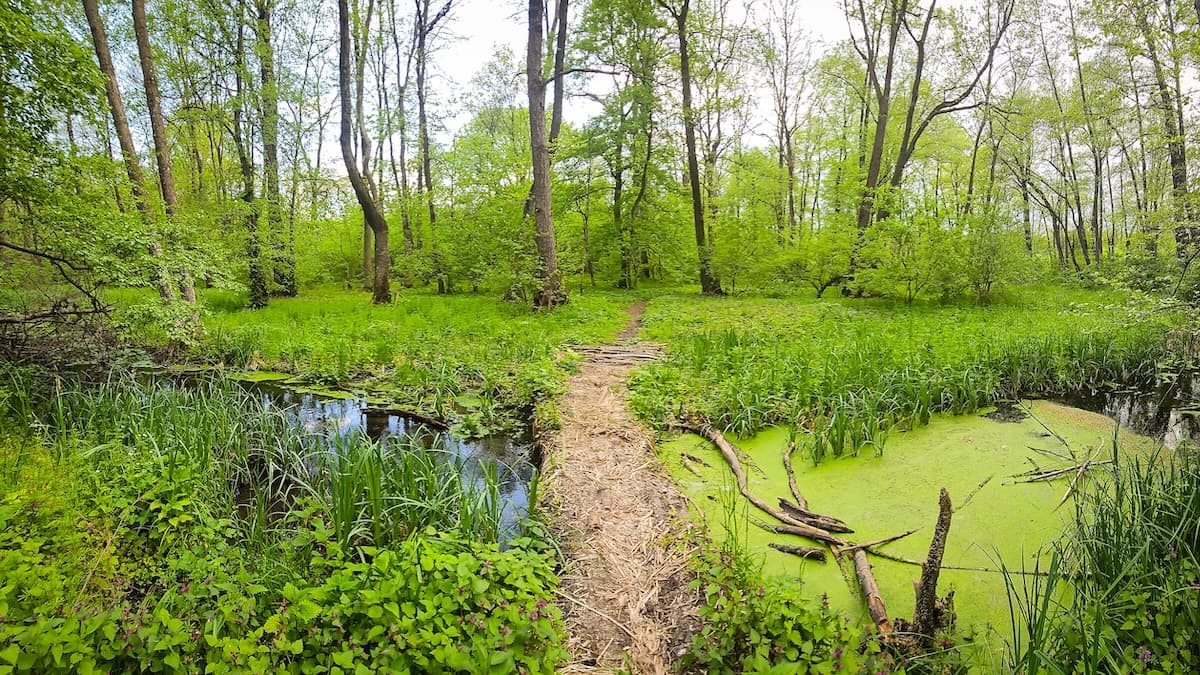
The Together for the Green Belt/Împreună pentru Centura Verde civic platform is calling on Romania’s main political parties, namely the Social Democrats (PSD), Liberals (PNL), USR, and Hungarians’ party UDMR, to include green belts in their next governing program, with a specific focus on the Bucharest-Ilfov Green Belt. The initiative is framed as a critical national project for public health and climate adaptation, and a necessary next step following recent legislative progress.
The civic platform has previously secured political and administrative backing, including through the signing of the “Memorandum for Clean Air, Health, and Future” and the adoption of the new Forestry Code in 2024 that legally recognizes green belts across Romania.
These belts aim to improve air quality, reduce urban pollution, mitigate climate change, and provide green infrastructure for recreation and biodiversity preservation, the initiators say. They are now pushing for the next government to draft and adopt a national methodology for green belt creation within the first 18 months of its mandate, according to the Forestry Code, as well as to establish a dedicated financing mechanism for local authorities.
“Designating and implementing green belts for Romania’s cities is a priority, part of a pragmatic and responsible solution. Otherwise, the future will impose it on us anyway, but at a much higher cost to our health, economy, environment, and ethics,” said conservationist Alex Găvan, founder of the platform and of the Green Belt Foundation.
“After managing, over the past two and a half years, to legislate green belts through unprecedented political commitment, including their designation and implementation in the next governing coalition’s program is the next logical, necessary, and expected step. It’s an essential move toward building cities that are more climate-resilient, less polluted, and, by extension, home to healthier and happier people,” he added.
Ciprian Gălușcă, executive director of the foundation, also stressed the urgency of government action amid prolonged droughts and more frequent flooding.
“Both Bucharest and other cities in the plains are extremely vulnerable to heatwaves, drought, and pollution, and without urgent measures, we risk turning them into uninhabitable spaces as early as 2035. Developing green belts around our urban centers is a matter of national security and must be included among the top priorities of the next government,” he stated.
Free newsletters
Romania, in your inbox before your first coffee.
Get the Daily — the morning briefing, free, in English, unsubscribe anytime. Want business, real estate or travel digests too? Pick your newsletters →