UNESCO World heritage sites in Romania : More of Bucovina's painted monasteries
A trip to Bucovina – a region we wrote about here– should include the famous painted monasteries, many of which are UNESCO World Heritage sites. Guest writer Mariana Ganea presents some more of the monasteries found in Bucovina. The first…
Liam Lever · Journalist
· Updated · 3 min read
A trip to Bucovina – a region we wrote about here– should include the famous painted monasteries, many of which are UNESCO World Heritage sites. Guest writer Mariana Ganea presents some more of the monasteries found in Bucovina. The first part of this piece was published here.
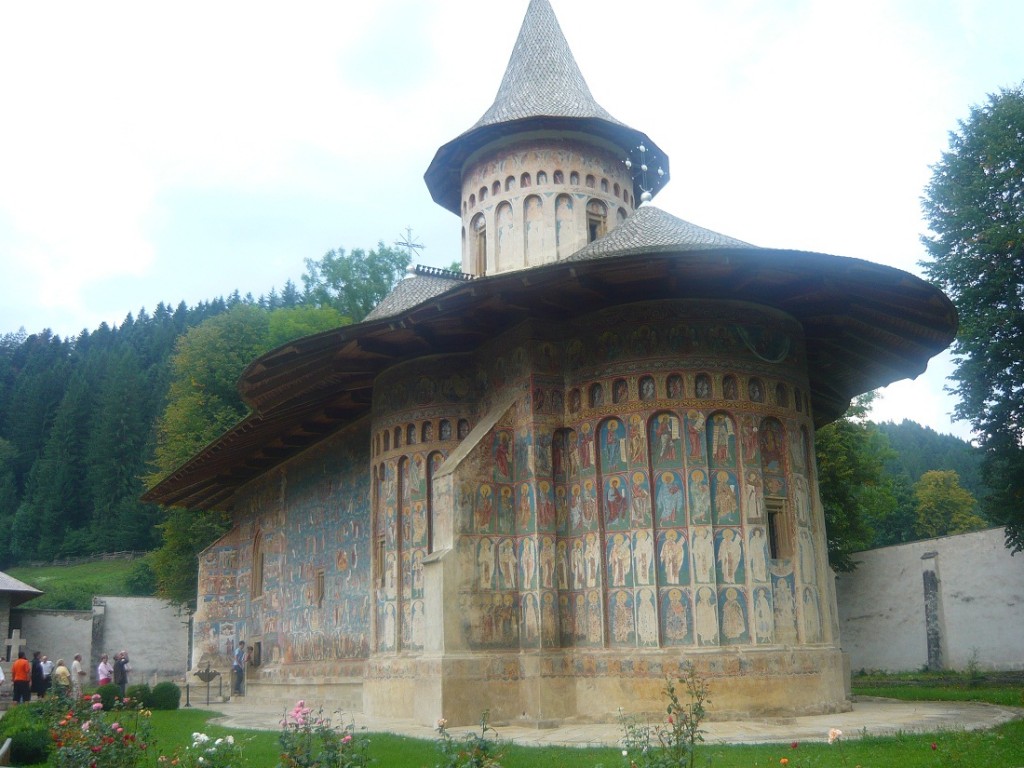
The Moldovita monastery is situated in the village of Vatra Moldovitei , Suceava county at 15kilometers from the village of Vama and it is surrounded by the picturesque Obcinele Bucovinei. I wrote about Obcini in my first article about Bucovina area.
The Moldovita monastery was built in 1532 by the Stefan the Great’s heir Petru Rares. The Prince Petru Rares founded the Moldovita monastery as a protective barrier against the army of the Ottoman Turkish Empire. The Moldovita monastery is one of the five monasteries in the Bucovina region that has exterior frescoes on the outer walls. The outer walls of the Moldovita monastery are known as “the holy scriptures in color”. The Moldovita frescoes were painted by a local painter named Toma of Suceava in 1537. The painter used predominantly yellows and blues and represented themes from Bible relevant to the Christian Orthodox church, such as:"The Virgin enthroned with the holy Child in her lap", ” The Tree of Jesse” and “The Siege of Constantinople” (626 after Christ). One of the most famous frescoes is “TheLlast Judgment” painted on the west wall. Dedication day : Feast of the Annunciation – 25 March
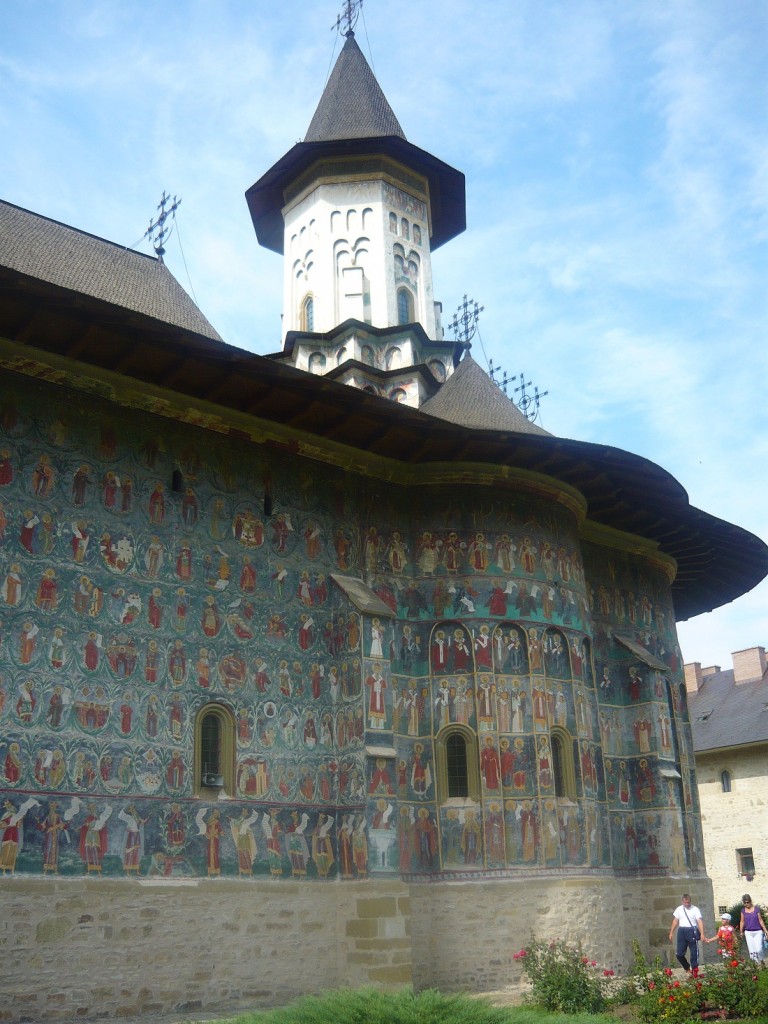
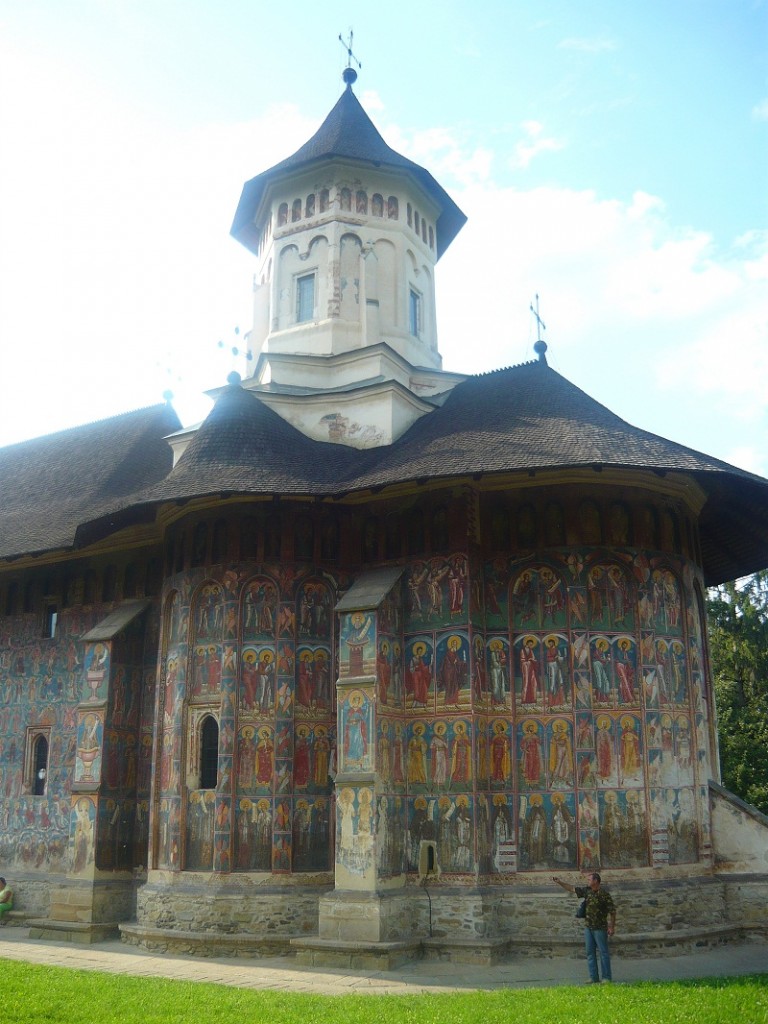
Sucevita monastery is situated near the Sucevita river, in the village of Sucevita at 18 kilometers from the city of Raduti, Suceava county.
The Sucevita monastery was built in 1585 by the Movila brothers (a rich and famous family of boyars in the principality of Moldavia that became related through marriage with the Musatin family, the House of Moldavian Princes, they also had connections with the king’s of Poland.) The architecture of the Sucevita monastery is a mix between the Byzantine style, with Gothic elements, and the typical painted churches of Bucovina. The interior and the exterior walls are covered by mural paintings that depict episodes from the Bible (old and new testament). The Sucevita monastery was a princely residence as well as a fortified monastery. Inside the monastery are Ierimia and Simion Movila’s tombs. Dedication day : The Lord Ascension Easter
Free newsletters
Romania, in your inbox before your first coffee.
Get the Daily — the morning briefing, free, in English, unsubscribe anytime. Want business, real estate or travel digests too? Pick your newsletters →